Modern takes on Greek perfection.

>act / Splintered dominance veiled in grace.
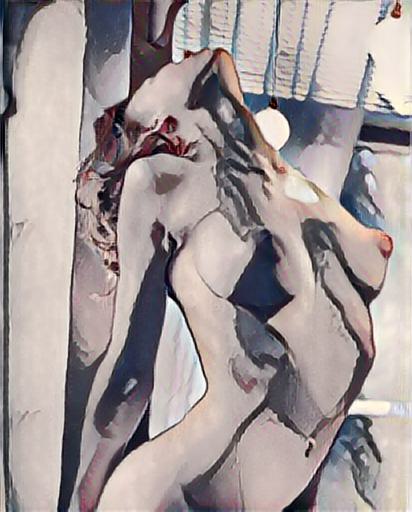
>cruz / Instinct erupting raw—untamed, primal, unshackled.
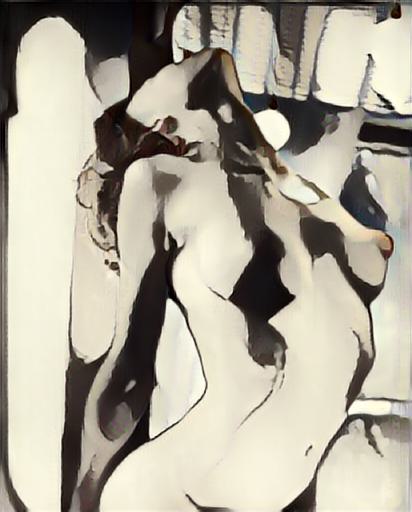
>ene / Power awakens in quiet defiance.
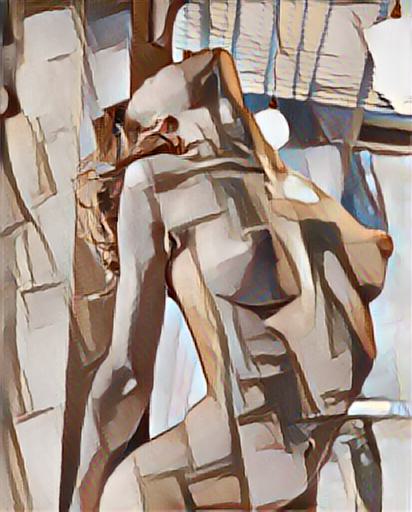
>mex / Form meeting purpose, meeting strength
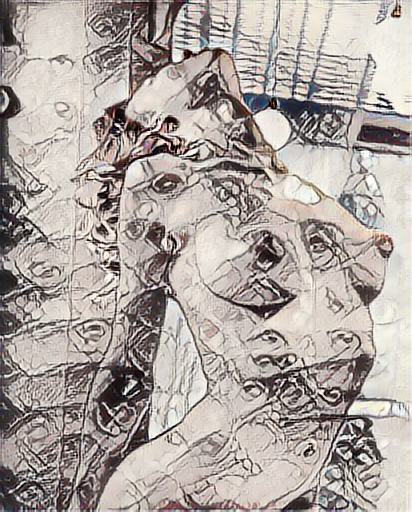
>octo / Intricate truths woven through restraint.
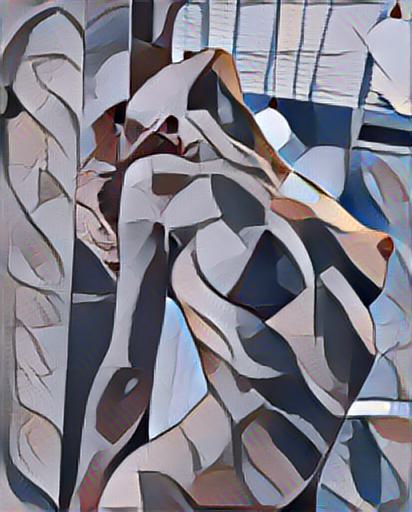
>oof / Desire ignited.
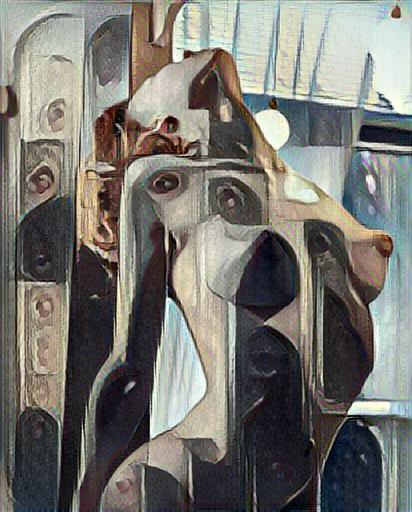
>quito / Authority cloaked in order.
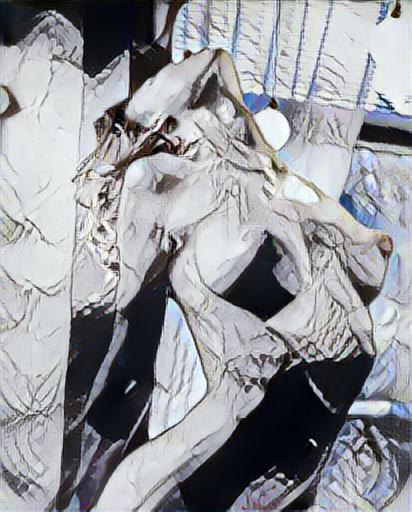
>RZT / The future beckons with lucid fire.
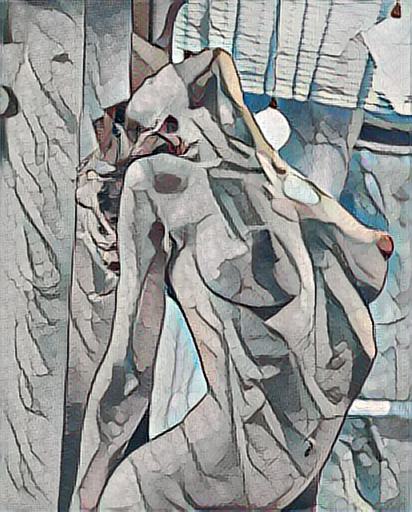
>RNM / Endurance scorched by trial.
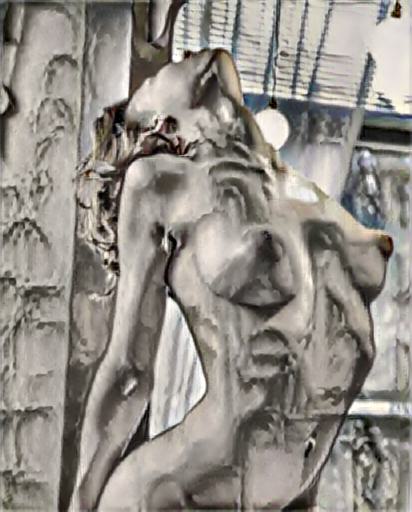
>sage / Fractured light trapped in silent descent.
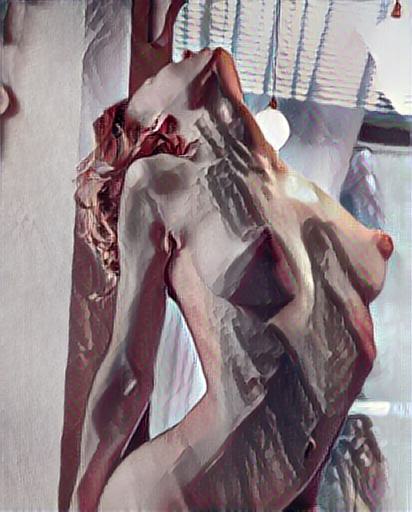
>tres / Resilience crowned in aching, radiant ascent.
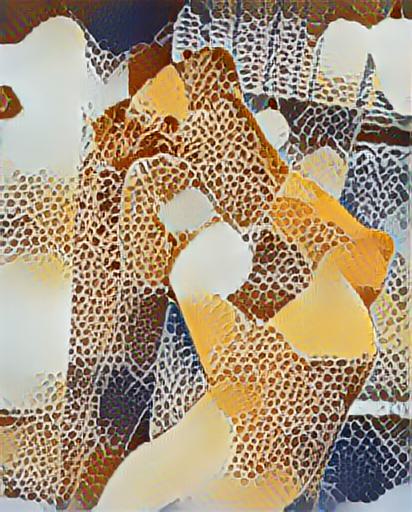
>ubud / Golden chaos
Greek classical forms laid the aesthetic foundation for Western art, exalting idealized anatomy, proportion, and balance. Heroic male nudes like Discobolus and Doryphoros embodied strength, rationality, and civic virtue, while female figures—such as Venus de Milo—were often passive, draped, or idealized for beauty. These visual codes reinforced societal hierarchies and gender roles.
Over centuries, artists both inherited and rebelled against these archetypes. Neoclassicism revived their symmetry and grandeur; Romanticism injected emotional volatility. Pop culture distorts them—e.g., chrome mud-flap silhouettes reduce the classical nude to kitsch and sexual shorthand. Conversely, feminist reimaginings recast women as powerful subjects—consider Judy Chicago’s The Dinner Party or contemporary sculptures where female forms convey agency rather than voyeurism.
Abstract Impressionism severs form from realism, yet echoes classical concerns: gesture, motion, and the expressive power of the body. In works by de Kooning or Frankenthaler, flesh dissolves into color fields—nudity becomes emotive rather than erotic, elemental rather than symbolic.
Nudity persists because it confronts vulnerability and truth. Stripped of adornment, the human body is mirror, myth, and metaphor. We’re compelled by its timeless tension—between exposure and power, ideal and imperfection. Whether rendered in marble or movement, it speaks to our longing to understand both beauty and self.