An intriguingly simple image of a woman gazing upward—her focus unknown, inviting endless possibilities.
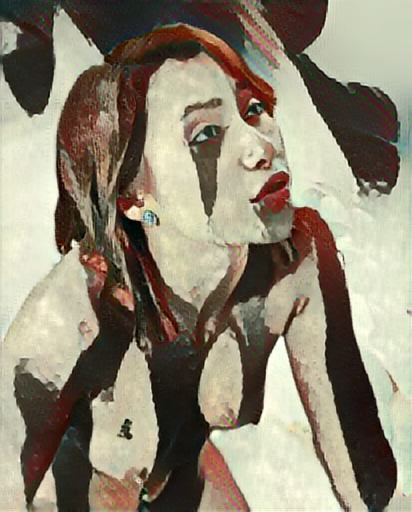
>briar / Grief trembles at dawn—certainty glows where sorrow once lingered.

>bruges / Slashed earth—chaos sculpted in hard, unspeaking form.

>DWT / Wings of promise.

>FPJ / Soul’s quiet gravity—every truth finds shape in the human.
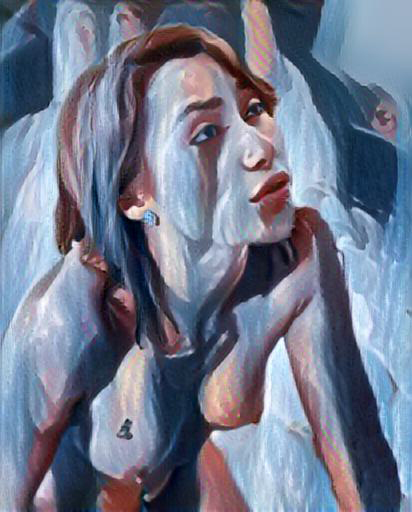
>luz / Fury held in reserve—potential shaped into sharp resolve.
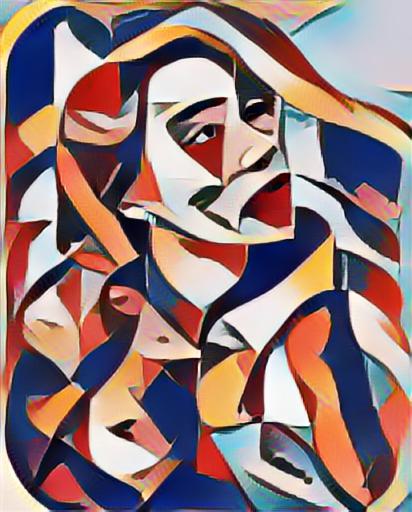
>rey / Warmth drained to hollow—progress tolls without soulful measure.

>river / Clarity stripped to bone—each answer breeds sharper ambiguity.
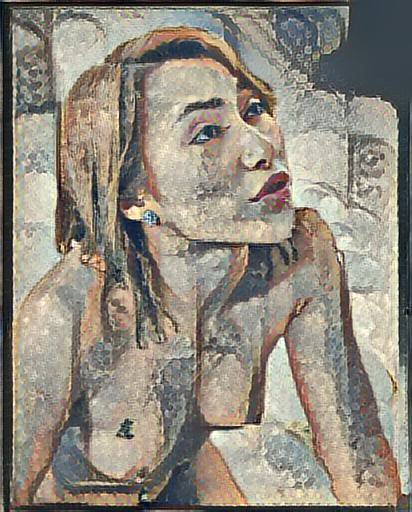
>snug / Prism of spirit—fractured light reveals unseen inner sanctum.
In portraits where the subject faces forward yet gazes off-scene, the viewer becomes a quiet trespasser—invited but ignored. This subtle defiance of convention introduces a powerful ambiguity: the subject is present yet emotionally elsewhere. John Singer Sargent’s Madame X, for instance, showcases Madame Gautreau with her body turned to us but her eyes averted, wrapped in poised detachment. In Manet’s Olympia, the nude figure stares outward with confrontation, yet the maid and the implied client disrupt a direct emotional exchange. But when the subject stares off-scene, as seen in Balthus’s The Golden Days, or Egon Schiele’s fragmented poses, mystery deepens.
A nude figure not returning our gaze evokes complex reactions—vulnerability without invitation, presence without participation. The nudity magnifies the emotional stakes: stripped of garments, yet still shielded by detachment. What is she looking at? A lover? A threat? A memory? We fill in what’s missing, projecting emotion, backstory, motive.
These images compel us because they create a vacuum of meaning. They challenge the dominance of viewer perspective and resist objectification by redirecting emotional gravity elsewhere. The subject becomes both muse and mystery. It’s not just portraiture—it’s an unresolved narrative caught in brushstroke and absence, demanding that we look harder and feel deeper.