After an exhausting day, the evening holds the promise of peaceful solitude.
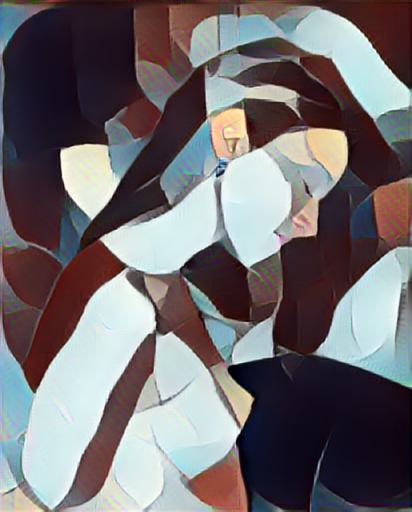
>act / Joy’s architecture—connection, purpose, and wonder laid in quiet layers.
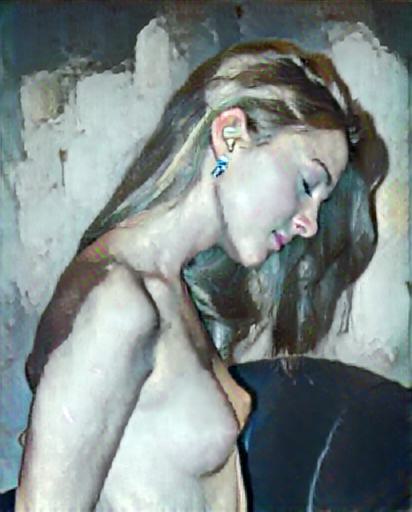
>AGG / Tender lens—harsh edges blurred by mercy’s quiet touch.
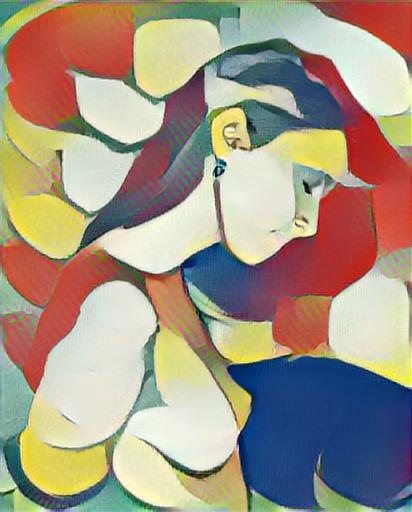
>aspen / Unchained from purpose, pure and present.

>baby / Shadow slips—presence dissolves.
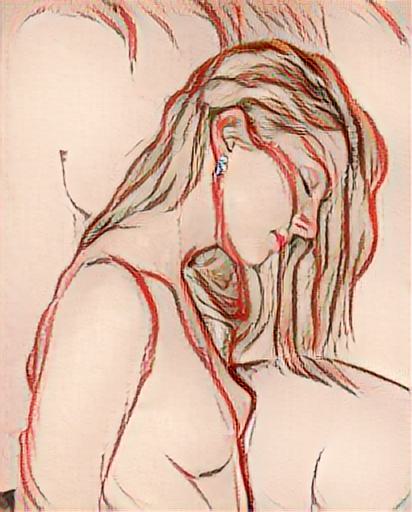
>bogata / Distilled to its elemental, radiant core.

>bohol / Ancient stirrings—origin pulses through time’s first breath.
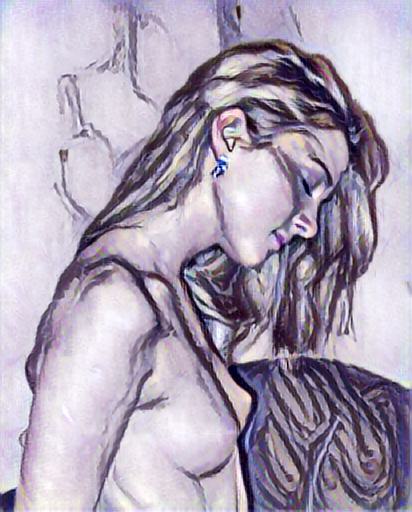
>doger / Fatigue beckons—quiet gravity pulling will into the soft abyss.
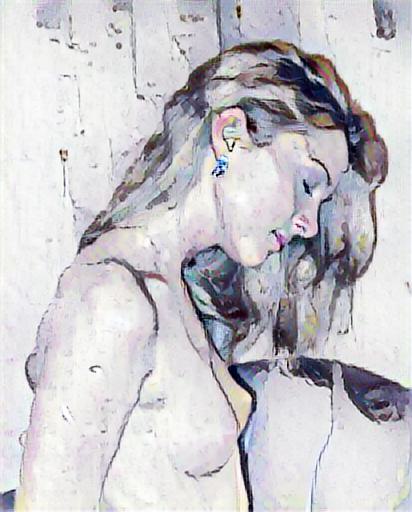
>milan / Presence melts into light’s eternal hush.
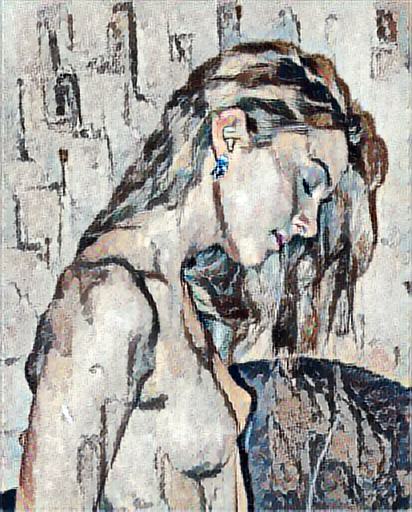
>pai / Weaving self into infinite rhythm, quiet and whole.

>RNR / Storm holds its breath.
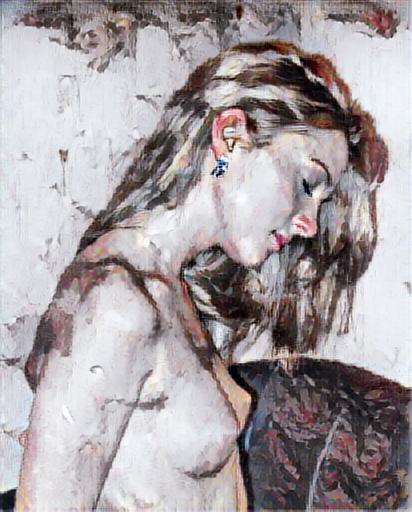
>rome / Sacred simplicity—truth bare and radiant in divine design.
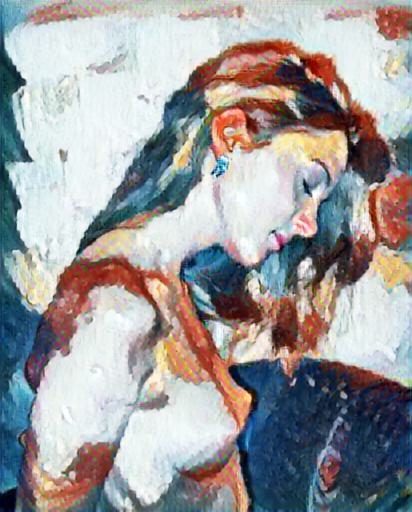
>wren / Savor waits—flavor dances beyond rest’s quiet, essential threshold.
Portraits in profile—depicting a subject from the side—serve both aesthetic and symbolic purposes. Historically, profile views emphasized silhouette and structure over emotion, often used to convey dignity, lineage, or idealized beauty. Ancient coins and Renaissance medals favored this format to assert status and timelessness. Famous examples include Piero della Francesca’s Duke and Duchess of Urbino, where the rigid side view evokes nobility and restraint, and Matisse’s Portrait of Greta Prozor, which blends simplicity with psychological depth.
Gender plays a role: women are more frequently shown with the left cheek exposed, a bias linked to emotional expressiveness and cultural ideals of femininity. Nude profiles, such as Modigliani’s elongated nudes, heighten vulnerability and sensuality, while also abstracting identity. Eyes closed can suggest introspection, serenity, or detachment—transforming the subject into a symbol rather than an individual.
Abstract impressionism reimagines the profile by dissolving form into color and gesture. Artists like Sam Francis and Nicolas de Staël used side views not for likeness but for emotional resonance. We find profile portraits compelling because they balance intimacy with distance. They invite contemplation, offering a glimpse of character while withholding full access—like overhearing a secret just out of reach.