Chastened grace: a journey through stillness and strength.
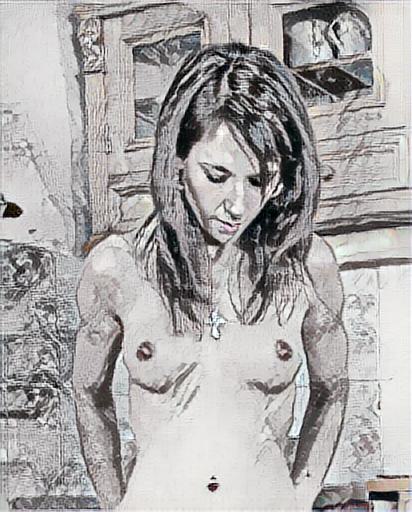
>bijou / Stripped to truth—form and meaning held in quiet balance.
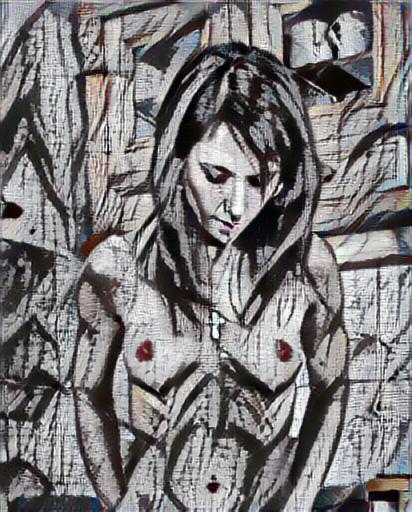
>daft / Anxious threads clutching calm in trembling grasp.
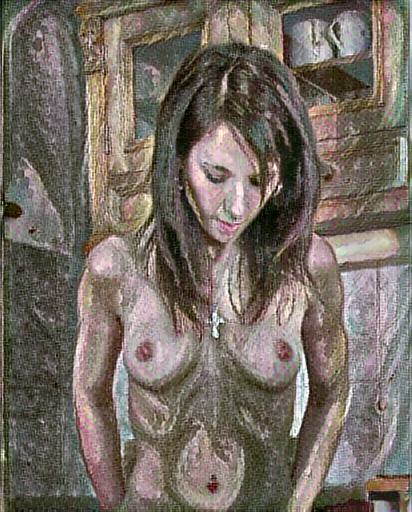
>deal /
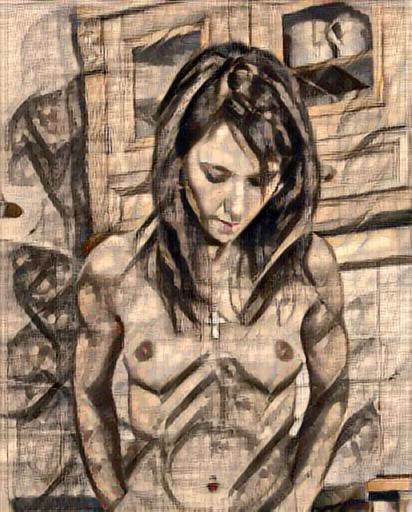
>GLY / Whispers swell.
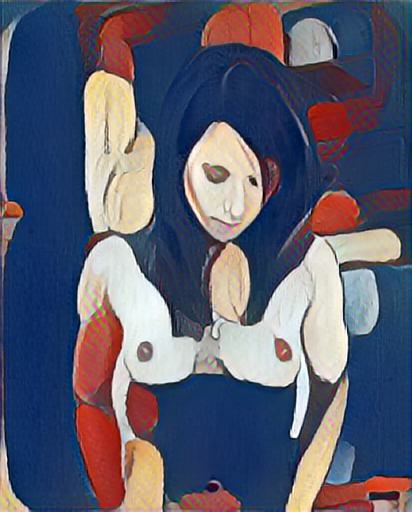
>londo / Singularity dissolved

>nube / Acceptance forged where pain becomes quiet strength.
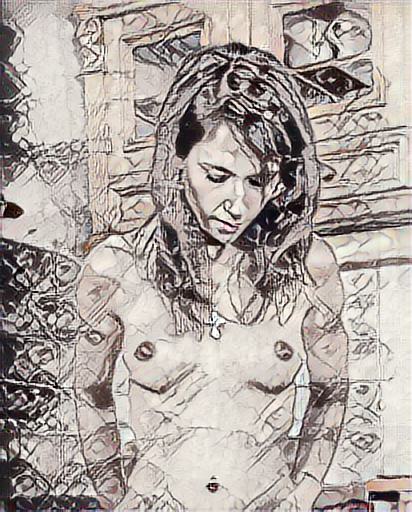
>octo / Layers conspire—complexity builds.
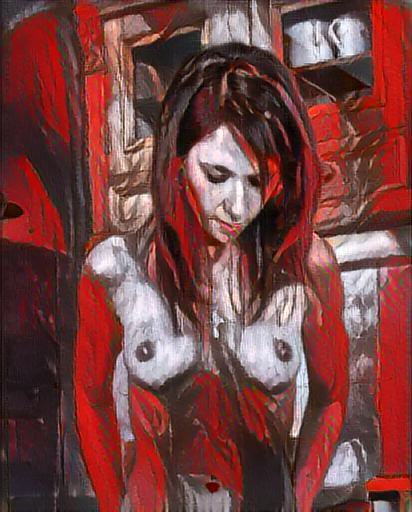
>opal /
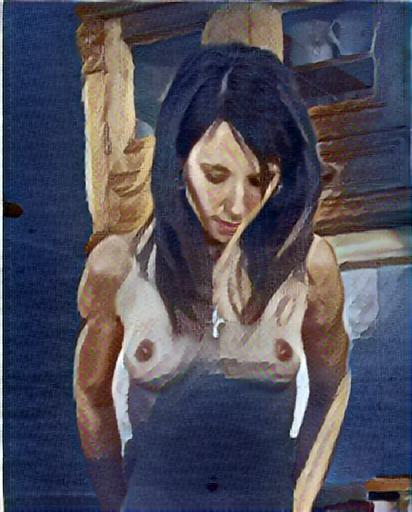
>phuket / Shadow relinquished.
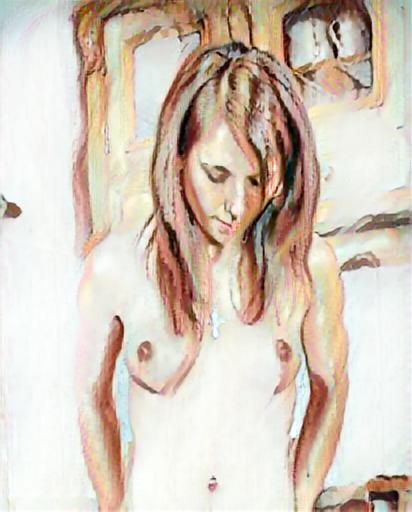
>pill / Tender hush—grace folded inward, seeking refuge in gentle quiet.
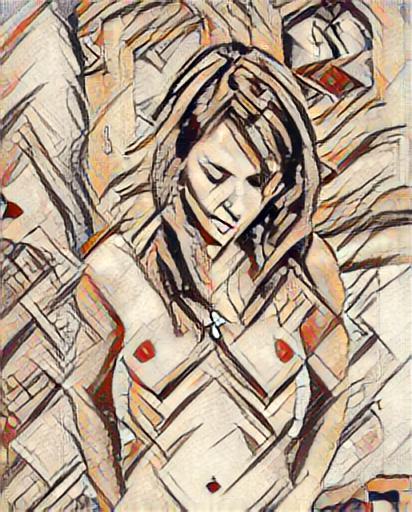
>titan / Reason steadies.
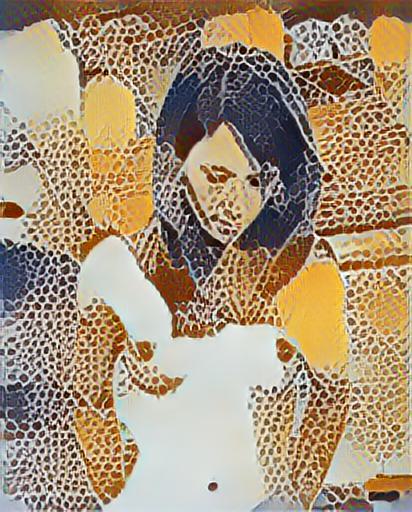
>ubud / Freedom found in the silence beyond self.
The choice of body framing in portraiture—ranging from close-up facial studies to full-length figures—profoundly shapes both the emotional tone and narrative depth of an image. A tightly cropped face can evoke intimacy or psychological intensity, while a bust (head and shoulders) offers a balanced view of expression and posture. Framing below the pelvis introduces gesture and stance, often used to convey power, vulnerability, or elegance. Full-length portraits, meanwhile, situate the subject within their environment, adding context and symbolism.
Artists like Édouard Manet and Mary Cassatt explored these variations. Cassatt’s Little Girl in a Blue Armchair contrasts with her tighter maternal portraits like The Child’s Bath, revealing how framing shifts emotional resonance. Similarly, Manet’s depictions of Berthe Morisot range from bust-length to full-body, each revealing different facets of her presence and mood.
Abstract Impressionism intensifies these choices. By loosening form and emphasizing tonal range and texture, it allows framing to become more than compositional—it becomes emotional architecture. A blurred full-length figure might suggest movement or memory, while a fragmented bust can feel hauntingly introspective. Artists choose framing based on narrative intent: to isolate, to contextualize, or to provoke. In abstract impressionism, framing is not just what’s shown—it’s what’s felt.