Though touched by sorrow, Ange remains resolute—anchored by the quiet certainty that this moment, too, shall pass.
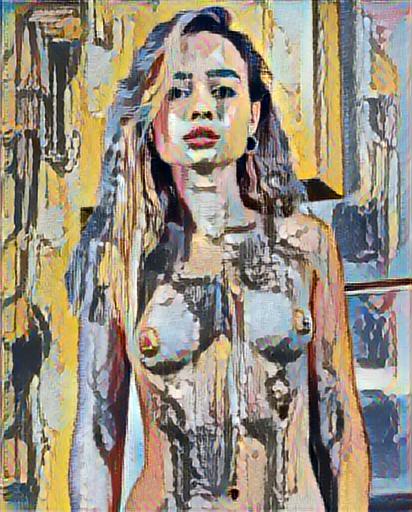
>abu / Strength flickers—wavering beneath weight.
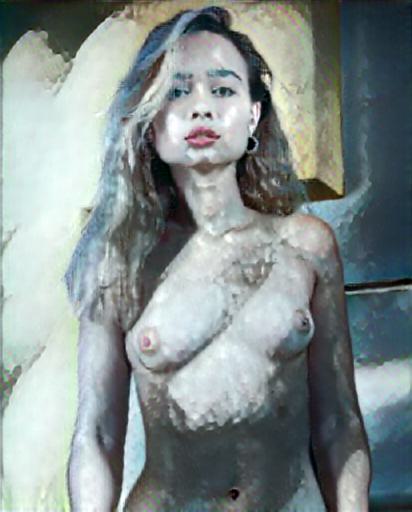
>AGG / Truth distilled through pain’s relentless crucible.

>alas / Pain muted by detachment.

>AOC / Ache affirms existence
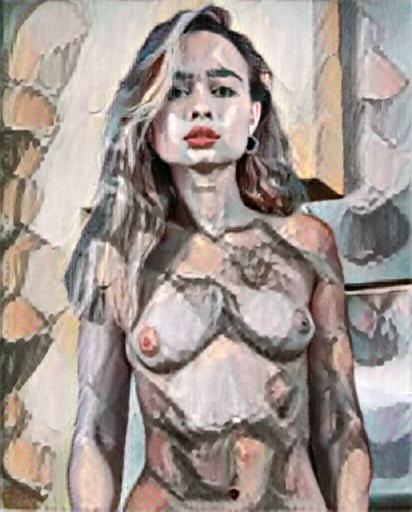
>berly / Rooted in now, for better or worse.
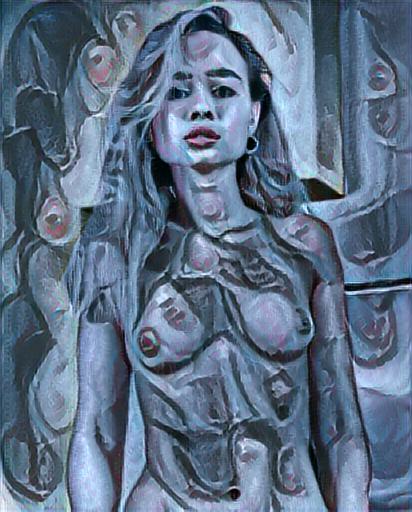
>durban / Ache deepens—pain stretches into stillness.
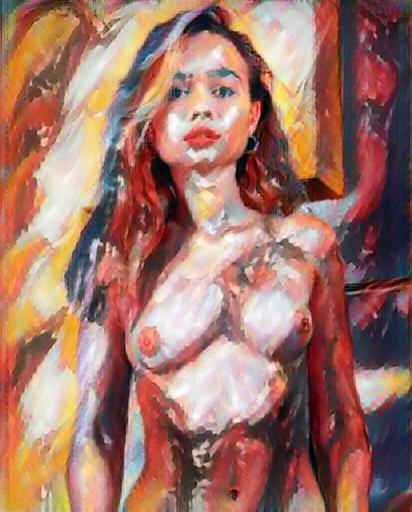
>fry / Flashes of rage fades.

>rey / Grip falters—identity drifts.
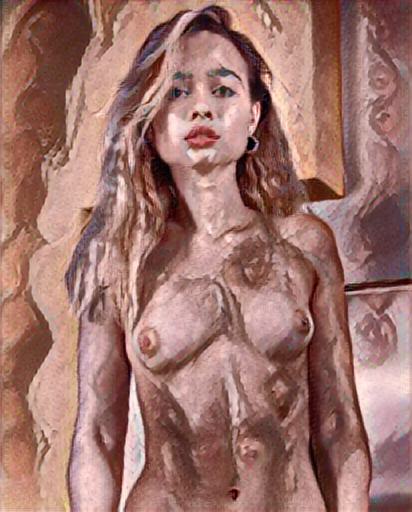
>luxor / Rest craved—torn edges seek stillness.
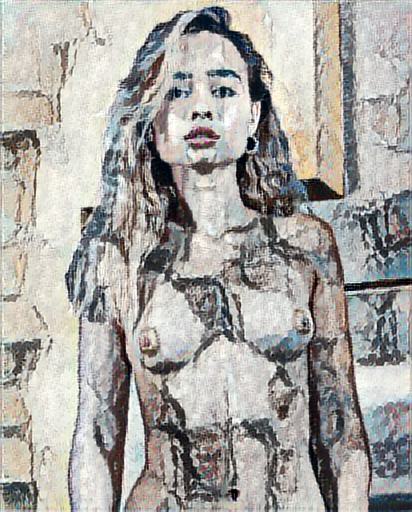
>pai / Heart opens to truth, yielding with grace to reality.
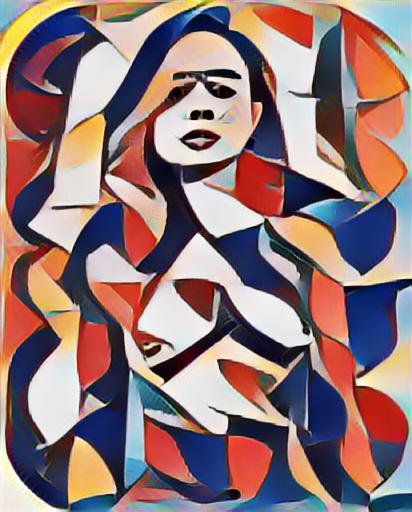
>rey / Desperation propels motion.
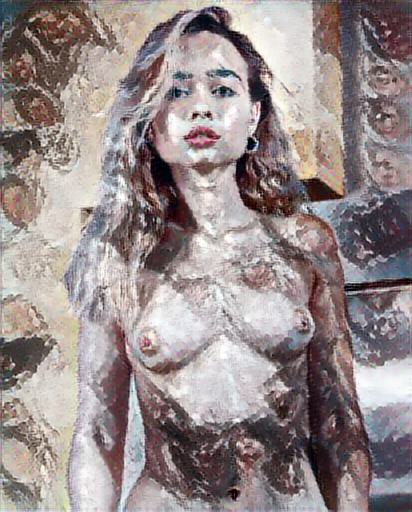
>rory / Light stirs—possibility unfurls in fragile bloom beneath despair’s shadow.
Art has long served as a vessel for grief—laying bare sorrow in forms both overt and elusive. Käthe Kollwitz’s Woman with Dead Child (1903) is raw and harrowing: a mother entangled in anguished embrace, her agony overwhelming composition. Picasso’s Guernica (1937), though war-based, transcends specificity; contorted figures and monochromatic chaos speak to collective devastation rather than named loss. Similarly, The Scream by Edvard Munch (1893) renders despair without clear cause—its iconic figure engulfed by internal tremor, haunting in its universality.
Some grief whispers rather than wails. Andrew Wyeth’s Christina’s World (1948) portrays a woman sprawled on a field—her distant home nearly unreachable. The melancholy lies in posture, isolation, implication. In Mark Rothko’s color fields, like Untitled (Black on Grey), sorrow is distilled to gradients—subtle yet deeply immersive.
Abstract Impressionism magnifies emotion through distortion and atmosphere. It resists clarity, instead drawing us into feeling. The lack of defined form opens space for projection—grief becomes ambient, personal, inescapable.
Nudity, when paired with grief, strips away pretense. It introduces vulnerability without eroticism, heightening intimacy. Rather than titillation, it becomes symbolic—grief laid bare, defenseless against time. These works compel us because they reflect our silent mourning, granting shape to ache we often conceal.