She stands poised with quiet reserve, unwavering.
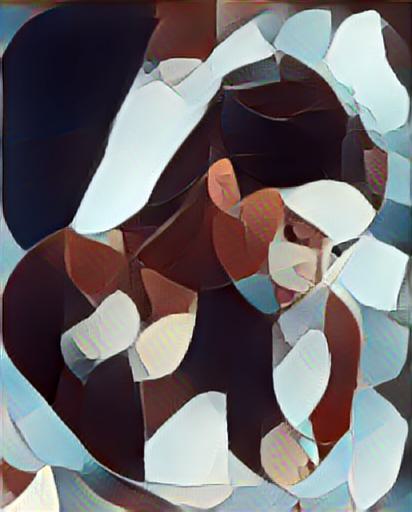
>act / Elegance, humility, resilience, compassion—woven in silence

>cruz / Soft strength, unyielding resolve cloaked in quiet, unwavering grace.
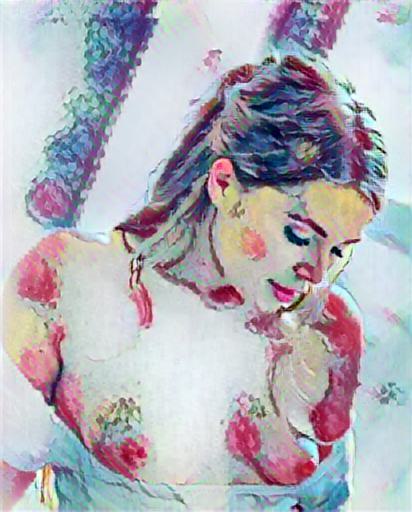
>FHI / Petaled profusion blooming beyond reason, nature’s lavish, fragrant excess
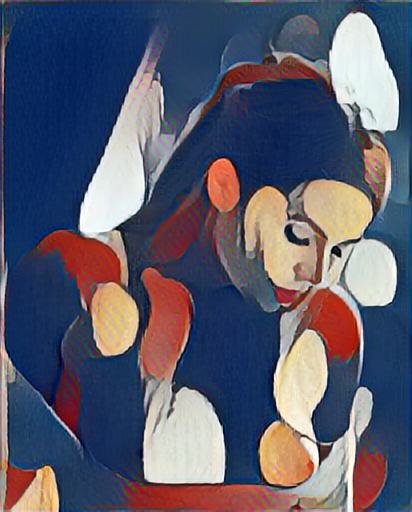
>londo / Tender eruptions stir the soul.
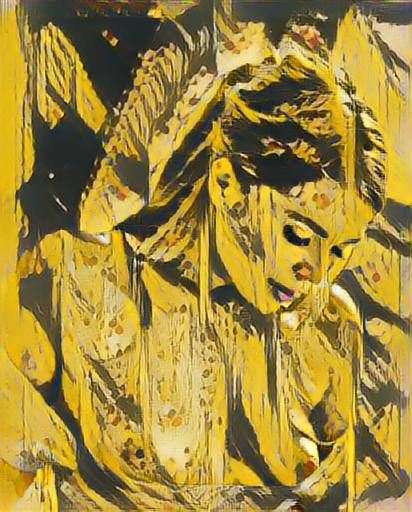
>maduria / Grace clenched against chaos—still waters straining behind fragile will.

>milan / Whispered light, untouched by shadow—serenity clothed in grace.
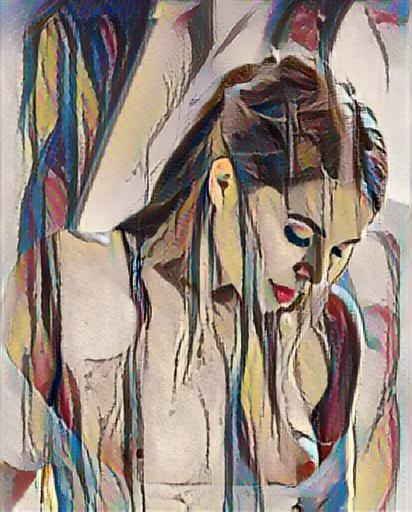
>naples / Ancient breath in loam—elemental, enduring, humble, deeply rooted.
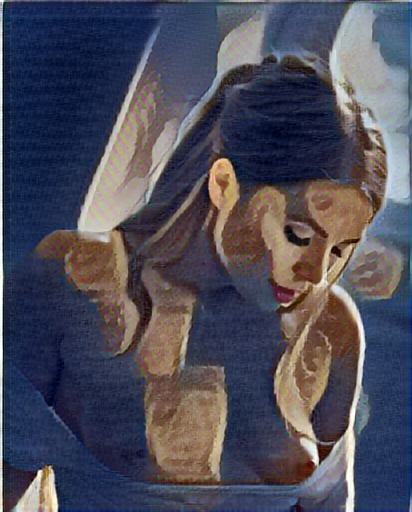
>phuket / Veiled power anchored in silence.
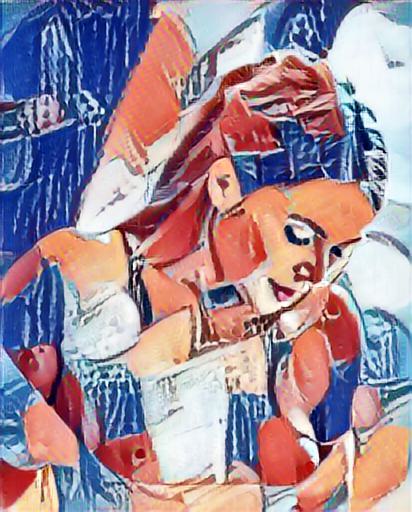
>puno / Endless bloom, vast and uncontained.

>RMN / Effervescent longing steeped in warmth, rising like breath into light.

>WCN / Momentum gilded in unwavering purpose.

>zar / Life’s pulse in wild, sacred motion.
Abstract Impressionism thrives on emotional resonance over representation, making context and environment essential tools in shaping the viewer’s experience. By abandoning realism, artists liberate form, color, and texture to become expressive agents—tone is not dictated by accuracy, but by mood and motion. The environment in these works becomes less a setting and more a dynamic field of feeling. A stormy palette, smeared across the canvas with urgent strokes, can amplify solitude in a solitary figure—or invert it, portraying inner peace against visual chaos. This freedom allows the subject to drift between amplification and contrast, revealing internal states through external tension.
Environment serves as both echo and opposition, a visual language for psychological nuance. Artists may blur boundaries between subject and space, inviting ambiguity where a figure seems absorbed into its surroundings. Alternatively, sharp contrasts—light slashed against shadow, warmth colliding with cold—can heighten emotional complexity, suggesting fragmentation or conflict. Through abstraction, environment is no longer passive—it responds, reflects, and reshapes the subject.
In this genre, context isn’t merely backdrop; it’s voice. The abstraction invites viewers to interpret, feel, and imagine, constructing meaning from suggestion rather than declaration. In doing so, environment and subject become entangled, each illuminating the other in fluid conversation.