Though she’d never admit it, Cynthia often poses before the mirror, playfully adjusting her stance—an indulgent yet somehow empowering ritual.
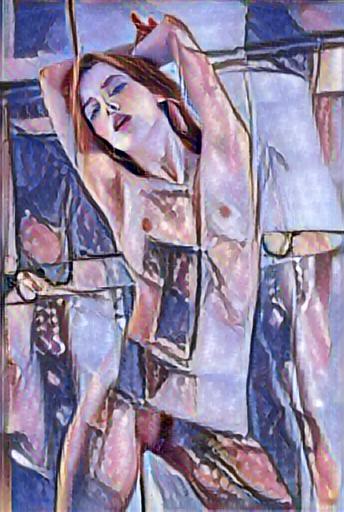
>AOC / Bold poise prevails—doubt silenced by presence, steady and unyielding
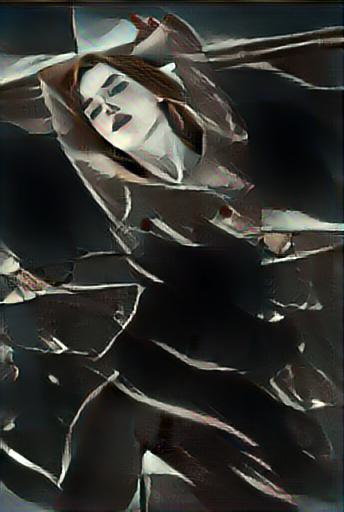
>baby / Faith erodes—uncertainty tears at essence, leaving spirit raw and fragmented.
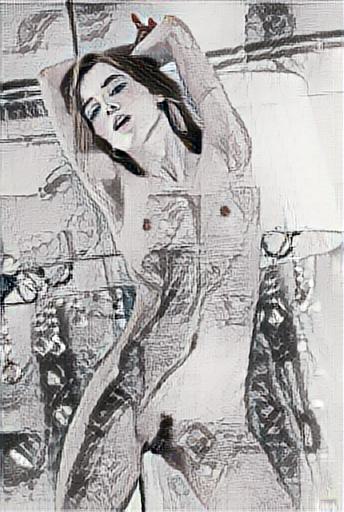
>bijou / Truth breaks—each item cuts deeper, echoing humanity’s fractured breath.
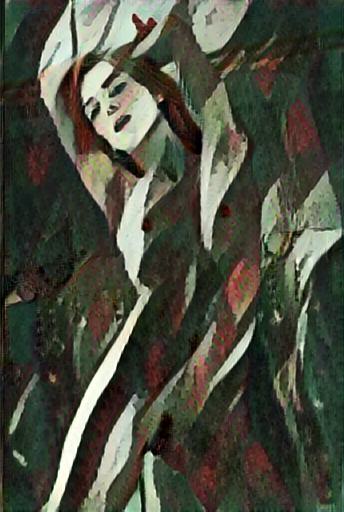
>bulin / Identity dissolves—ambition consumes, erasing self beneath striving’s silent mask.
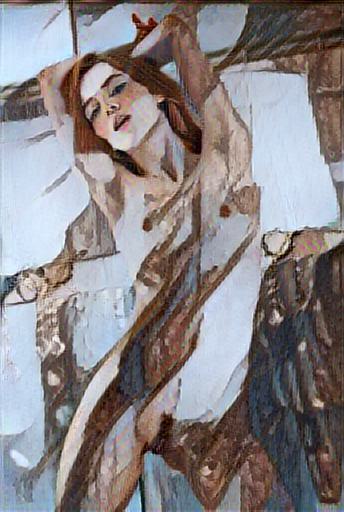
>jade / Authentic warmth glows where pretense once dazzled.
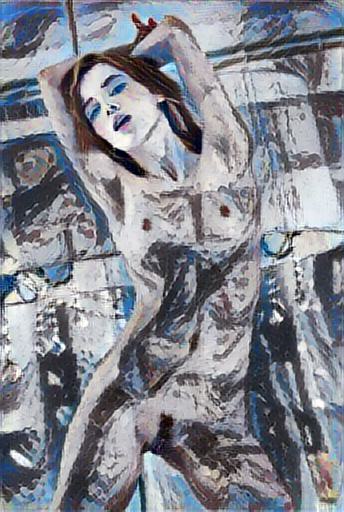
>larkin / Spirit fades—uniqueness buried beneath conformity’s unyielding tide.
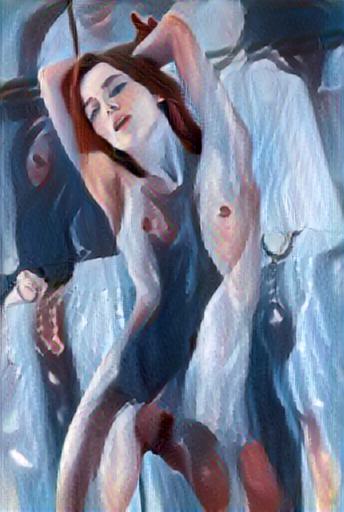
>luz / Vision stirs—imagination blooms where reality dares not yet tread.
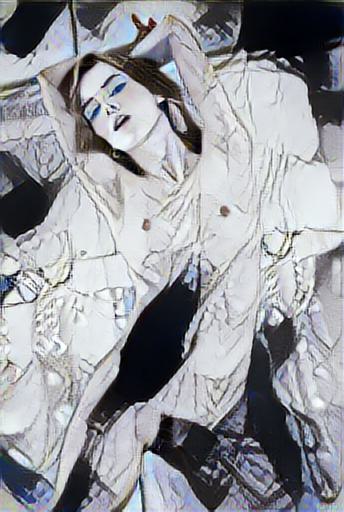
>RJT / Facade cracks—illusion thins, truth bleeds through fractured pretense.
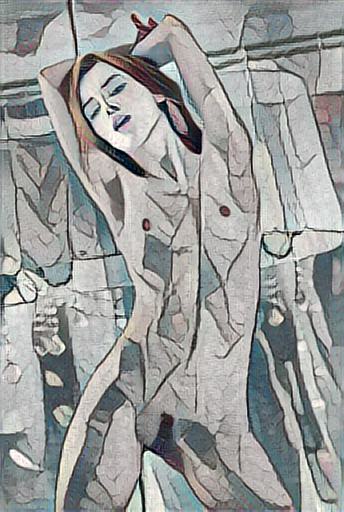
>RMN / Unified brilliance—synergy transcends fragments, forging depth beyond summation.
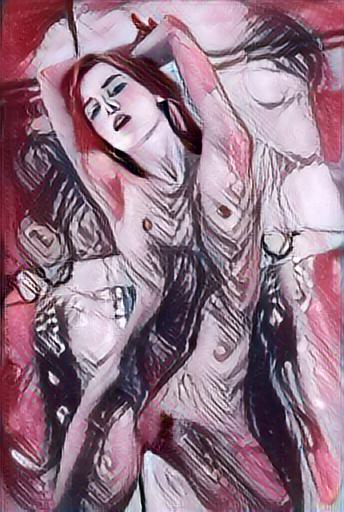
>RNB / Excess swells—limits breached, calm pleads beneath chaos’s rising tide.
Portraits posed before mirrors invite a layered exploration of identity, perception, and desire. The mirror becomes both witness and accomplice—reflecting not just the body, but the act of looking. Vanity, often dismissed as superficial, is more nuanced here: it’s the ritual of self-affirmation, a moment of control over how one is seen. Reassurance lies in the mirror’s silent agreement, echoing back a curated self-image. In this space, subjects may be talking themselves into a version of who they wish to be—an act of self-construction as much as self-reflection.
Nude portraits before mirrors intensify this dynamic. The body, exposed yet doubled, becomes both subject and object. Artists like Ilse Bing and Vivian Maier used mirrors to fragment and multiply identity, while Hippolyte Bayard’s Self-Portrait as a Drowned Man (1840) staged vulnerability with ironic detachment. Nadar’s 1860s nude studies, created for painters, blurred the line between artistic reference and voyeurism.
These images compel us because they reveal the tension between authenticity and performance. The mirror doesn’t just reflect—it refracts. We’re drawn to the vulnerability of someone trying to see themselves clearly, even as they shape what they see. In that ambiguity—between truth and illusion, body and gaze—we find the emotional charge that makes mirror portraits unforgettable.