Her dreadlocks frame a face where her gaze shifts like the tide—at times sharp and intense, yet moments later, open and inviting.

>angkor / Discord as invitation—awkward hues pulse in alien harmony.

>guilin / not currently for sale

>hamburg / Whispers coil in shadow—malice blooms where silence deepens.

>jamie / Darkness softens reason—tides surge beneath the hush of dusk.
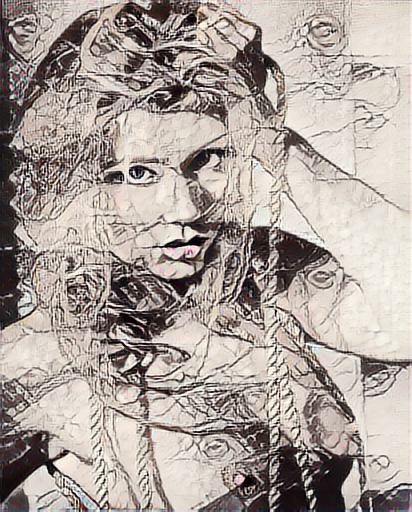
>octo / Truth stripped bare—clarity reigns where nuance yields to precision.

>onyx / Nature’s raw whisper—survival dances in grace and savagery.

>tres / Action slices through doubt—clarity crowned in present resolve.

>uus / Existence floats untethered—grace reborn.
Conveying humanity and personality through abstract impressionist portraiture demands a delicate tension between suggestion and specificity. Unlike realism, which relies on detail and proportion, abstract impressionism asks viewers to intuit emotion through gesture, color, and mood. A portrait becomes compelling when it reveals the soul without spelling it out. Artists like Francis Bacon or Chaim Soutine captured raw psyche through distortion and color violence, while more subtle renditions from Richard Diebenkorn or Alice Neel invited quiet intimacy within abstracted contours.
Color palette acts as an emotional script—subdued tones may whisper introspection, while saturated hues evoke boldness or chaos. Focal points anchor identity: a pair of eyes rendered with precision amidst a swirl of abstraction, or hands sketched tenderly, revealing vulnerability. Context often transcends backdrop; in strong works, it becomes a co-character. A blurred bookshelf, a hint of foliage, or a fractured mirror can imbue narrative, amplifying personality.
With nude subjects, abstraction complicates exposure. The absence of clothing shifts focus from social identity to raw essence. Flesh becomes brushstroke, meaning is etched into posture, palette, gaze. Humanity and personality matter deeply because they ground the viewer—they offer connection. Without them, abstraction risks alienation; with them, it sings with resonance.