A woman gracefully stretching within the rustic frame of a classic barn door, her pose blending strength with elegance.
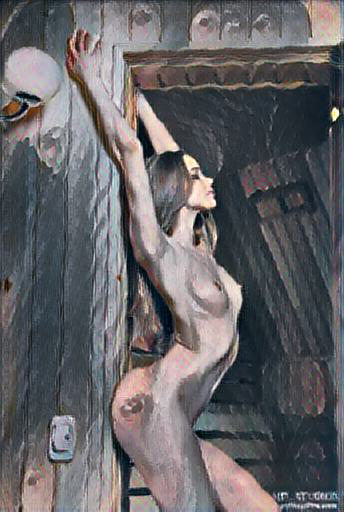
>cairo / Authentic essence—selfhood mastered, the most profound creative triumph.
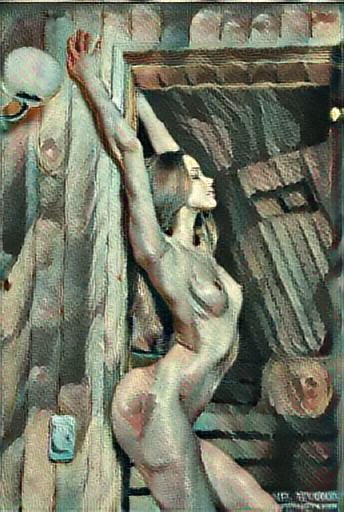
>jaipur / Earthen cycle—flesh borrowed from soil, joy blooms in the meantime.

>jordon / Tone deceives—aroma entices while truth lies veiled beneath allure.
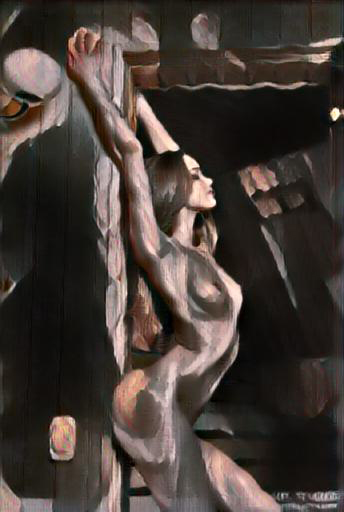
>onyx / Delight distorted—ecstasy bends, reshaped into ache by careless hands.
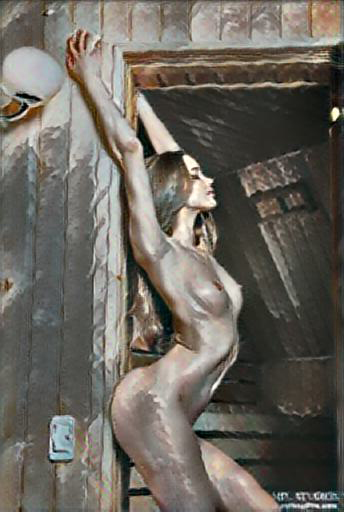
>PDE / Dual harmony—shadows and radiance entwined in tranquil partnership.
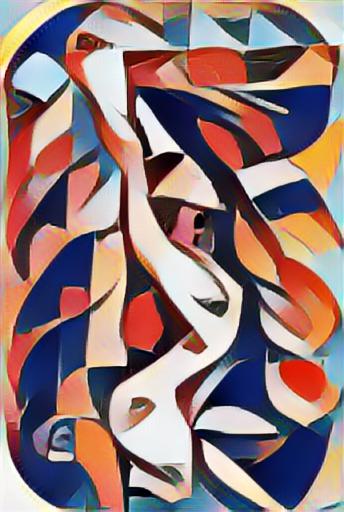
>rey / Clarity stripped—purity diluted beneath abstraction’s industrial gloss.
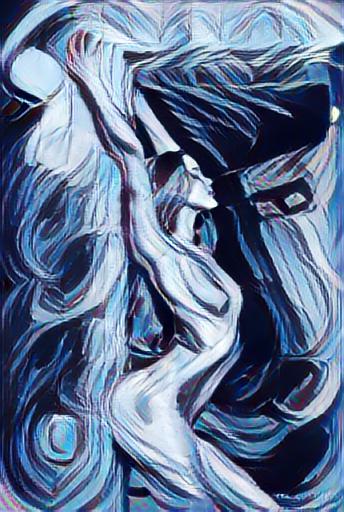
>seoul / Stillness shatters—serenity contorts as harmony yields to rising discord.
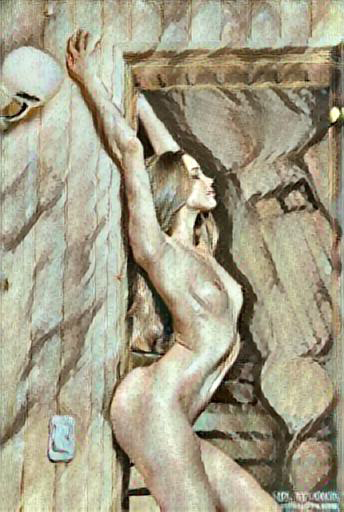
>tex / Gentle strength—grace invites wounds where resilience wears no armor.
Ancient buildings, ruins, and dilapidated barns have long served as evocative backdrops in nude portraiture, offering a rich interplay between ephemeral beauty and enduring decay. This practice gained prominence during the Romantic and Neoclassical periods, when artists like Hubert Robert and Jean-Baptiste-Camille Corot used ruins to symbolize the transience of civilization and the timelessness of nature. In these settings, the nude figure—often idealized—stands in stark contrast to crumbling architecture, creating a visual tension between vitality and entropy.
The passage of time imbues these scenes with emotional depth. Ruins whisper of lost grandeur, forgotten stories, and the inevitability of decline. When paired with the human form, especially in its most vulnerable state, they evoke themes of mortality, resilience, and renewal. The juxtaposition of fresh, unblemished skin against weathered stone or splintered wood amplifies both elements: the body becomes a symbol of fleeting life, while the ruin becomes a monument to endurance.
Viewers are drawn to these images because they mirror our own inner dualities—youth and aging, strength and fragility, permanence and impermanence. The setting doesn’t merely frame the subject; it deepens the narrative, inviting reflection on time’s passage and the layered beauty found in contrast.