Breathless from her run, filled with pride, she rests against the welcome wall.
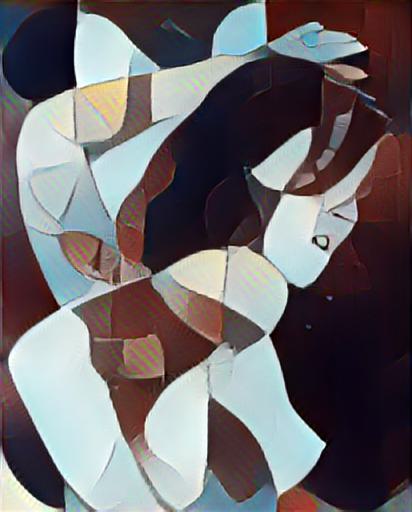
>act / Distance dissolves heat into hollow, cerebral haze.
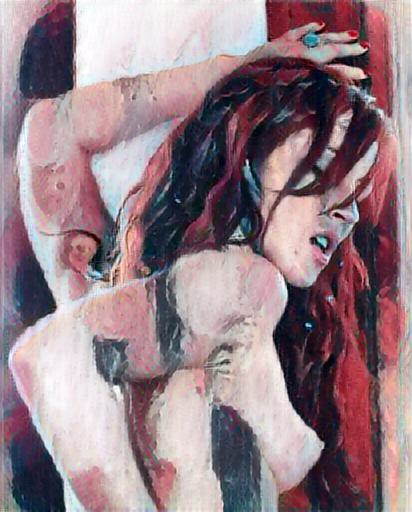
>avery / Ash still clings—trauma echoes beneath her labored breath.
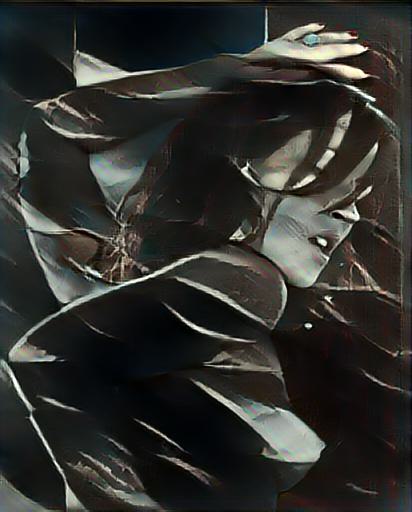
>baby / Pride flickers—anguish claws at its defiant glow.
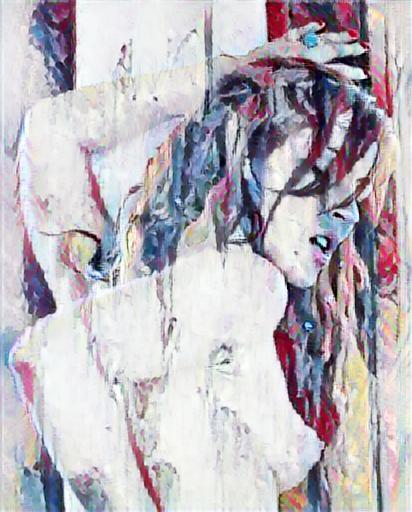
>DRJ / Grace reclaims the light—joy and pride rise from the ruins.
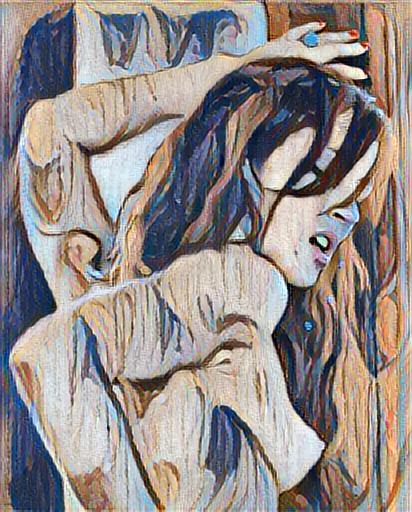
>kigali / Hope and pain entwine in constant motion.
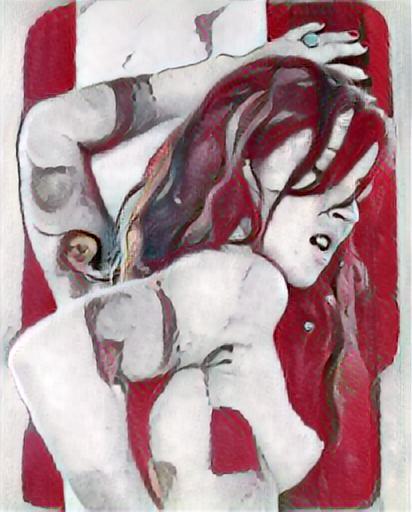
>lagos / Pride burns through ache.
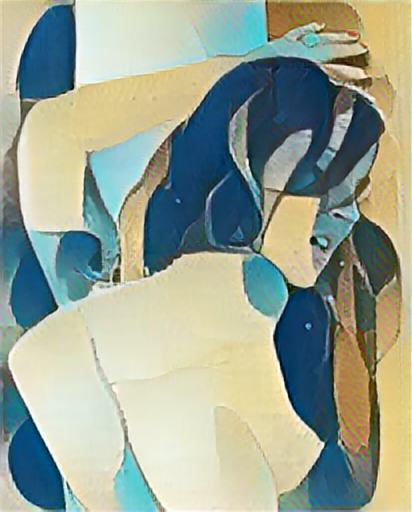
>narg / Dislodged to grow—movement births clarity where roots once clung.
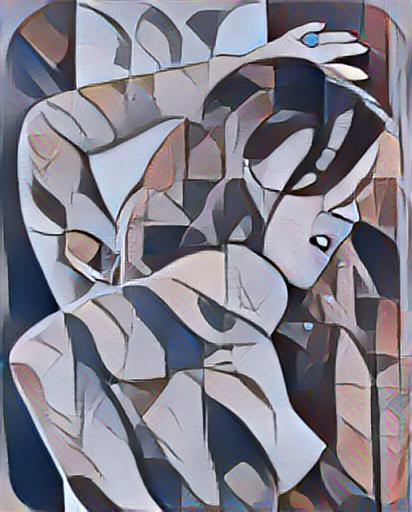
>oof / each piece laid towards an unfolding future.
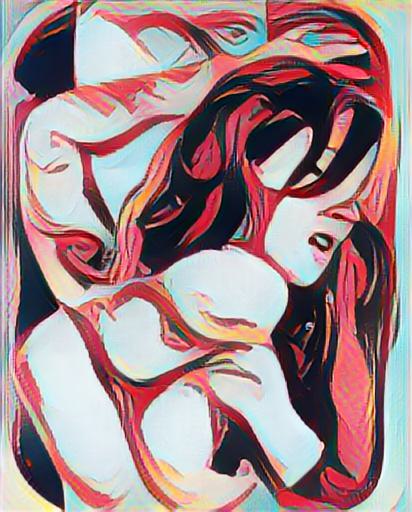
>paz / Agony flares.
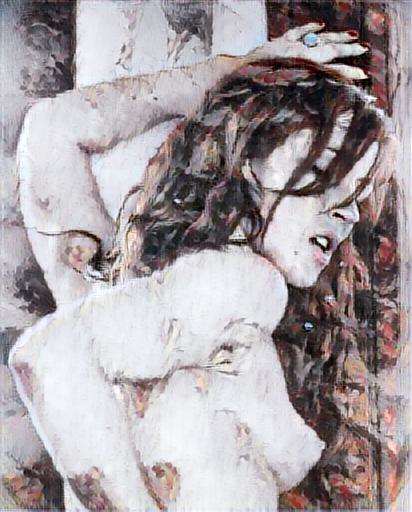
>rome / Time dissolves—presence reigns in urgency’s unyielding, vivid truth.
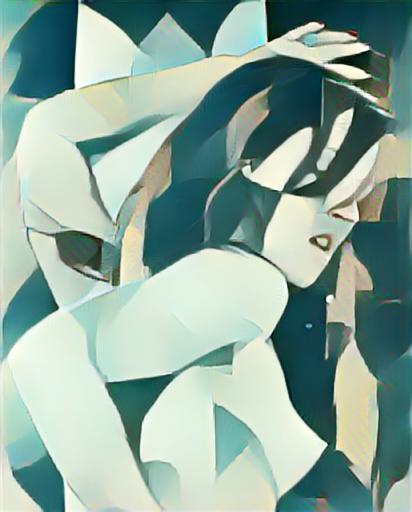
>siv / Reality warps—fatigue drips through time’s disjointed folds.
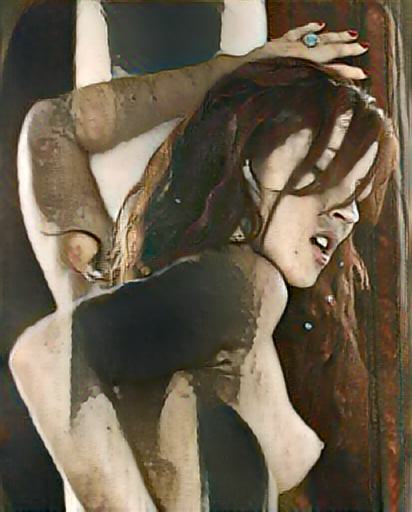
>sutton / Instinct ascends—primal truths surface beneath reason’s quiet retreat.
Portraits of personal triumph capture not conquest, but transcendence—moments where the soul outpaces adversity. These images often center stillness, vulnerability, and introspective pride. Think of Käthe Kollwitz’s etched self-portraits: lines etched into her face mirror the toll of grief and perseverance. Or Van Gogh’s “Portrait of Dr. Gachet,” which echoes recovery and emotional wear—triumph tempered by melancholy.
Faces in these works often carry residual suffering—creased brows, downturned eyes, or a gaze that meets us not with bravado, but depth. Triumph here is earned, and pride emerges subtly: an upright posture, a hand at rest, the soft pull of the mouth. For women, triumph is often rendered through quiet strength—like Frida Kahlo’s self-portraits, which fuse pain and personal reclamation. Men’s portraits may lean toward stoicism, presenting pride as contained control.
The nude figure heightens this truth-telling. Stripped of costume and pretense, nudity can express liberation, exposure, even rebirth. In abstract impressionism, triumph becomes mood, gesture, color—emotion untethered from realism. Artists like Helen Frankenthaler or Egon Schiele imbue triumph with motion and vulnerability, portraying breakthrough rather than outcome.
We’re compelled by these portraits because triumph without spectacle feels more human. The complexity lies in the quiet: what they’ve endured, and what they’ve chosen to reveal.