Beth prepares for a night out, bracing herself for the possibility that the club scene will likely not live up to even her limited expectations.
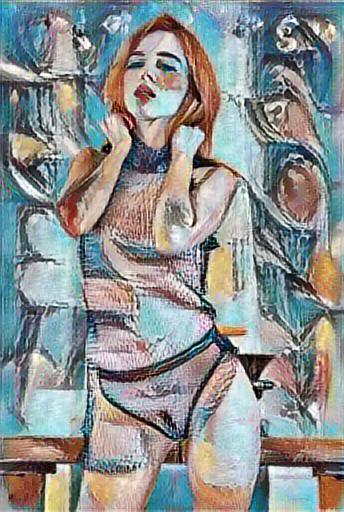
>DF / Brass ignites—energy surges as she grooves into her evening.
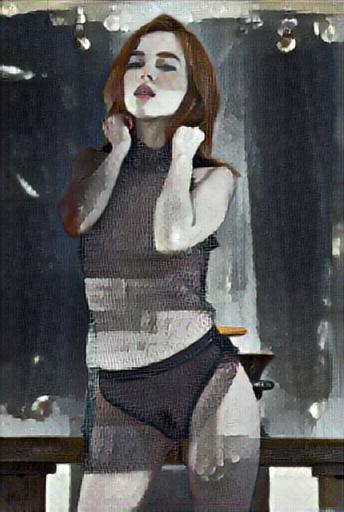
>dhoa / Today’s best option may suffice, but rarely dazzles—compromise dims potential’s spark.
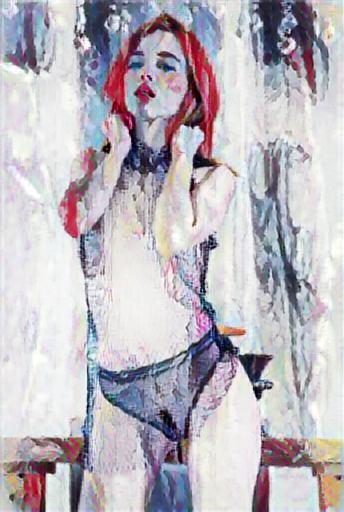
>DRJ / Whispers linger—time’s worn edges trace echoes of quiet regret.
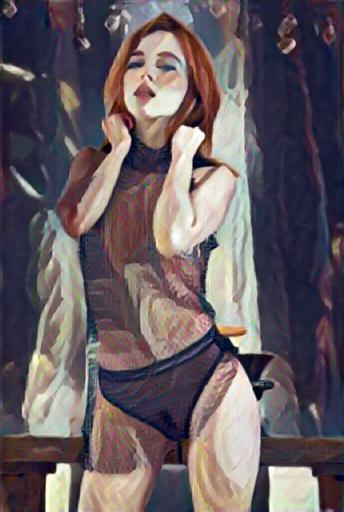
>guilin / Complexity wanes—twilight whispers.
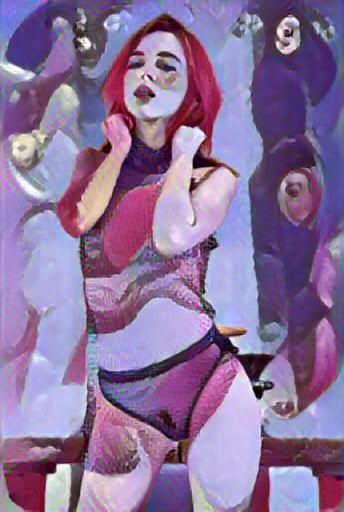
>honey / Perception fractured—color bends truth, hinting at hidden desires and fears.
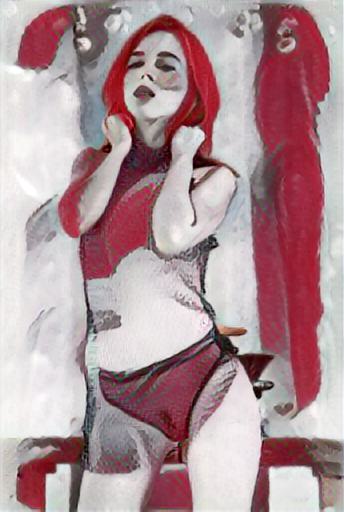
>lagos / Clarity cloaks complexity—truth exists, tangled in elegant contradiction.
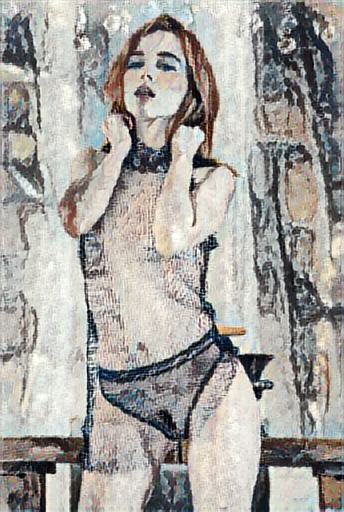
>pai / Woven threads of context shape reality’s intricate core.
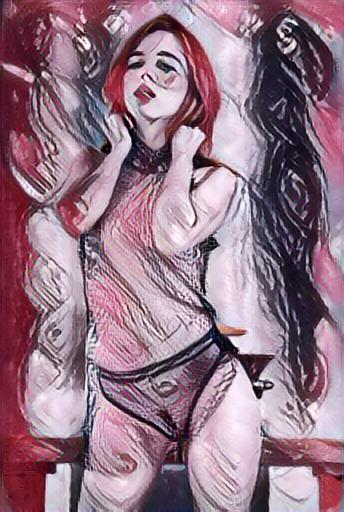
>RNB / Urgency pulses—velocity craves release as twilight races the clock.
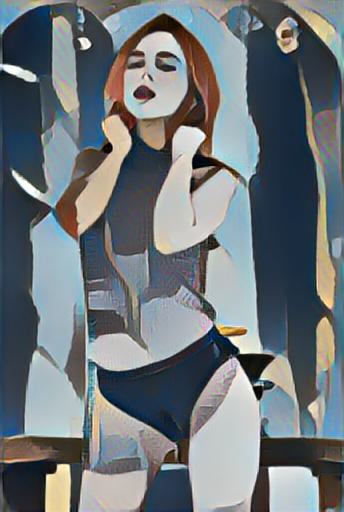
>RNR / Choice crystallized—pure agency pulses in clarity’s unburdened frame.
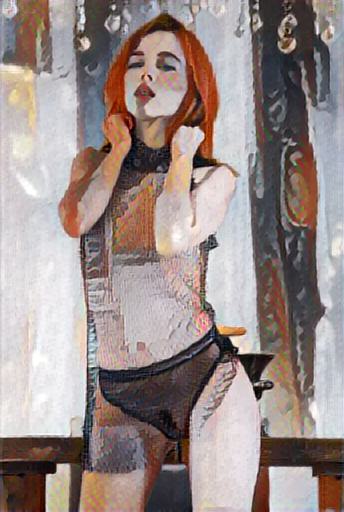
>ruby / Presence reigns—time dissolves, leaving now as life’s pure truth.
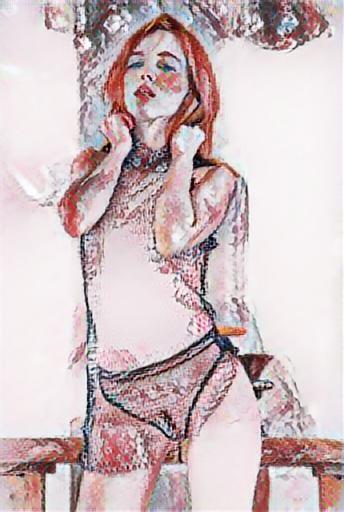
>sat / Autonomy awakens—darkness becomes fertile ground for willful transformation.
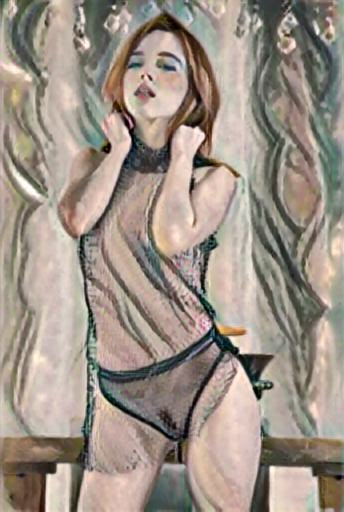
>zar / Grace entangles—femininity mirrors life’s layered paradox with quiet power.
Fine art boudoir paintings trace their origins to the 18th century, when Rococo artists like François Boucher and Jean-Honoré Fragonard depicted intimate, sensual scenes in lavish interiors. Boucher’s Portrait of Madame de Pompadour and Fragonard’s The Swing exemplify this blend of eroticism and elegance, often portraying women in private moments of leisure or flirtation. These works were not merely decorative—they reflected shifting attitudes toward femininity, privacy, and desire.
In the 19th century, artists like Édouard Manet pushed boundaries with paintings such as Olympia, which shocked viewers by presenting a nude woman with direct gaze and unapologetic agency. The boudoir setting became a stage for exploring identity, sexuality, and power. Later, Niklas Lafrensen and Louis-Léopold Boilly painted scenes of women in their dressing rooms, often with subtle narrative tension or voyeuristic undertones.
Boudoir art can feel suspicious when it blurs the line between empowerment and objectification. The viewer’s gaze becomes part of the artwork’s tension—are we invited in, or intruding?
Yet these paintings remain compelling because they offer more than sensuality. They evoke vulnerability, mystery, and the quiet rituals of self-presentation. When crafted with nuance, boudoir art becomes a mirror—not just of beauty, but of the complex dance between public image and private self.