Tracy’s piercing gaze is tempered—if only slightly—by hoop earrings, flamboyant footwear, a lighthearted pose, and a smile that charms with effortless ease.
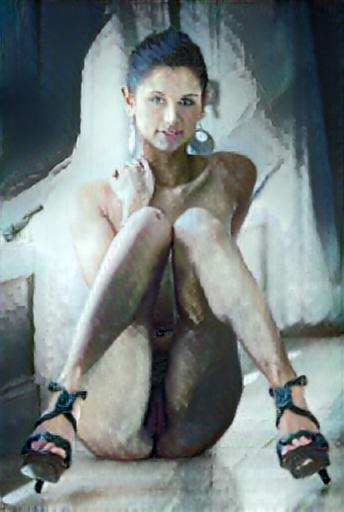
>ACG / Illumination selects truth—revealing essence, while shadows cradle ambiguity.
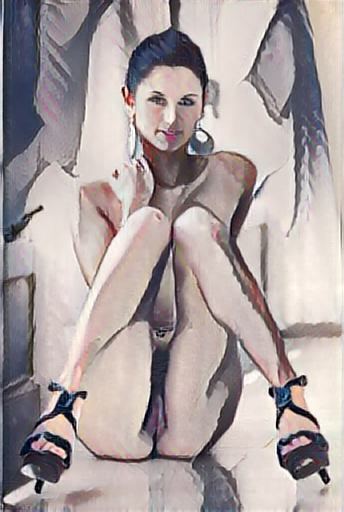
>cruz / Sanctuary surrounds—her grace framed by warmth and quiet shelter.
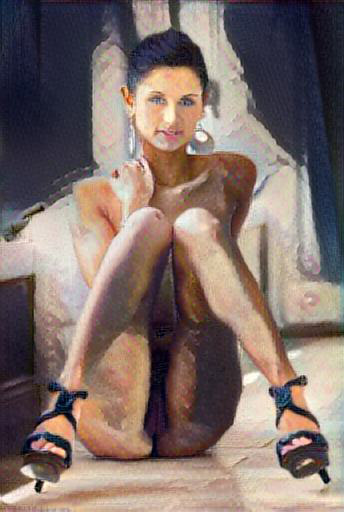
>drew / Color erupts—loud and bold, yet nuance whispers beneath the blaze.
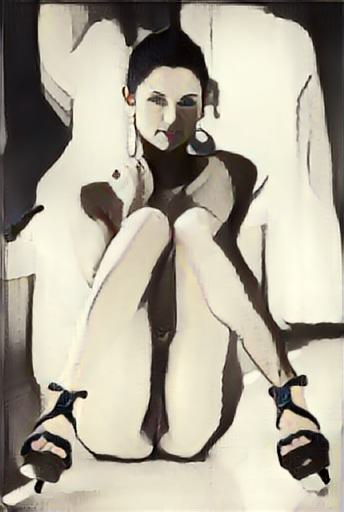
>ene / Hue stripped away—form sharpens, yet mystery deepens.
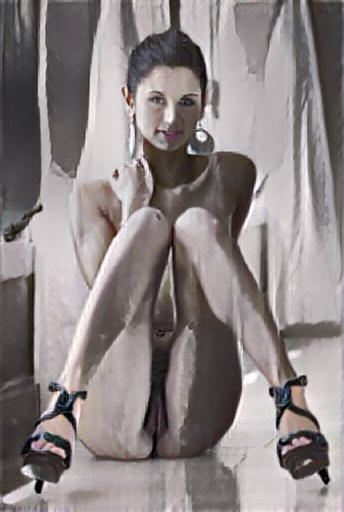
>flint / Contrast fades—nuance emerges, as subtle truths eclipse vivid spectacle.
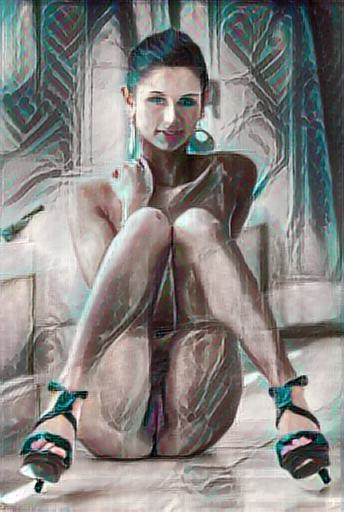
>galle / Neon wraps the form—where shimmer flirts with satire and delight.
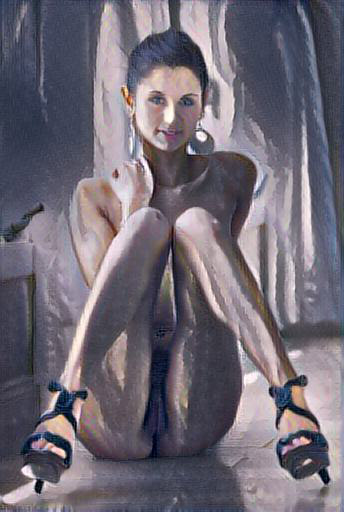
>nube / Shadow hovers—neither threat nor comfort, poised in quiet tension.

>oof / Structure dissolves—gravity lifts, inviting whimsy over solemn intent.
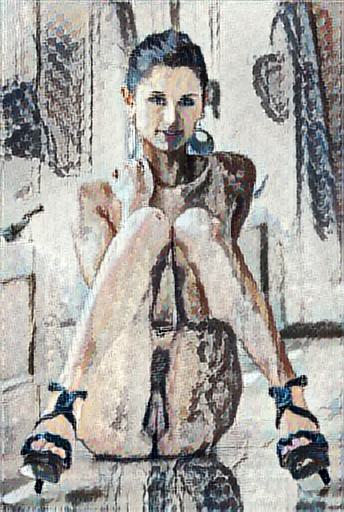
>pai / From mist to mirth—form awakens in light and delight
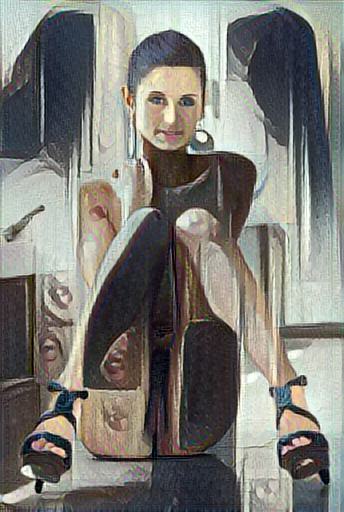
>quito / Ephemeral echoes—fragile sigils drift across beauty’s mesmerizing veil.
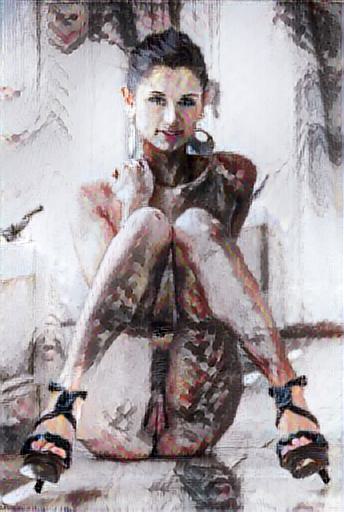
>rome / Serenity fractures—beneath the surface, unease festers in shadowed depths.
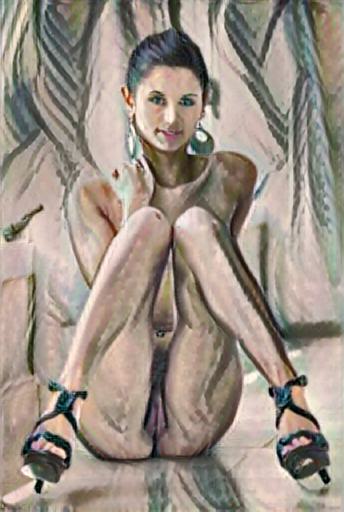
>zar / Nature whispers—grace stands apart, luminous against earthy wildness.
Elegance in fine art portraiture holds a captivating paradox: it is instantly recognizable, yet infinitely variable. It often signals refinement, grace, and restraint—qualities that, across cultures and eras, have been dressed in vastly different forms. A gloved hand in 19th-century England exuded sophistication; today, it may seem quaint or restrictive. This highlights elegance’s entanglement with societal norms—its aesthetic appeal shaped, and often warped, by cultural expectations.
In portraiture, elegance becomes a lens through which identity is idealized. It can elevate a subject, lend mystery, or quietly enforce power structures. Its allure lies in controlled expression—a delicate tilt of the head, the softness of a gaze, the compositional grace that transcends time. Yet these gestures, too, are learned and codified. What we deem elegant is often a mirror reflecting prevailing values, tastes, or biases.
The artist, then, navigates elegance as both tool and trap. When wielded thoughtfully, elegance invites contemplation and emotional depth; it refines without erasing. But unexamined, it risks reinforcing narrow ideals. The tension between timeless grace and cultural construction is where portraiture finds its richest soil—where elegance evolves from superficial styling into a revelation of deeper human truths, both beautiful and flawed.