“Layla steps from the lush garden into the minimalist hall, a welcome breath of beauty long awaited.”
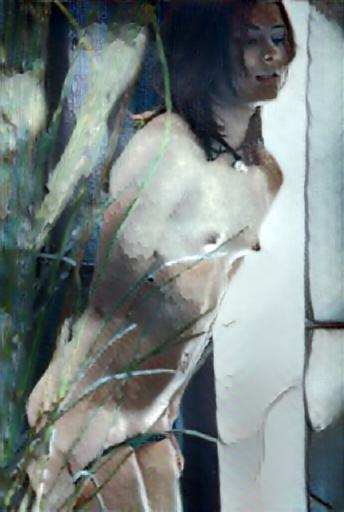
>AGG / Whispered grace, timeless and bare, adrift in golden stillness.
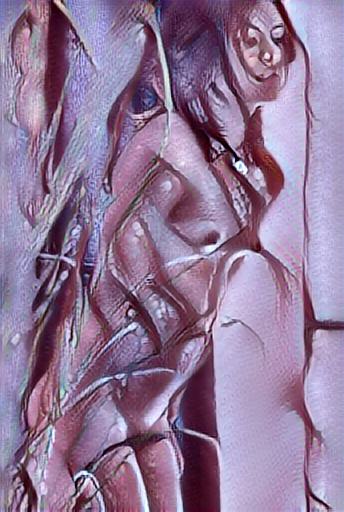
>bang / Martian saxophones croon over velvet fog and slow gravity.
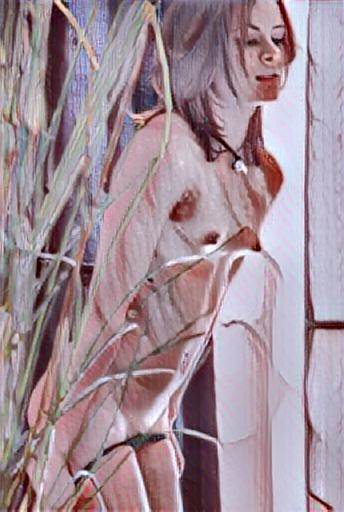
>basel / Velvet-footed grace slips beneath the spotlight, unseen but inevitable.
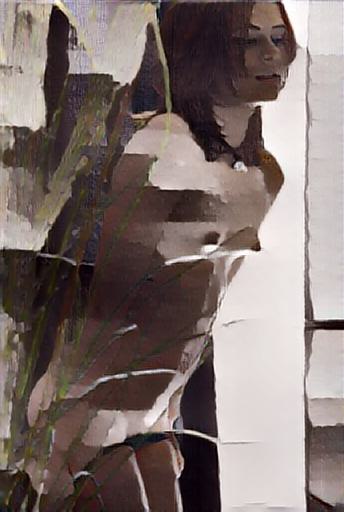
>bruges / Moonlit hush glides gently—intent without harm, shadows without threat.
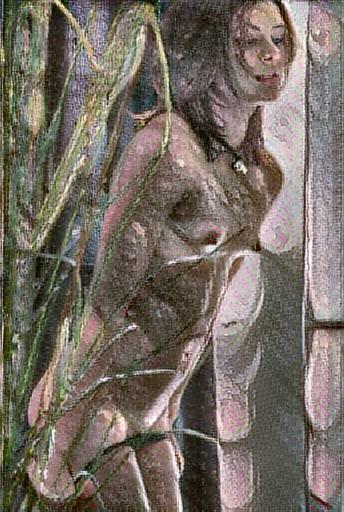
>deal / Verdant curves entwine with jeweled strangeness—nature dreaming in silk.
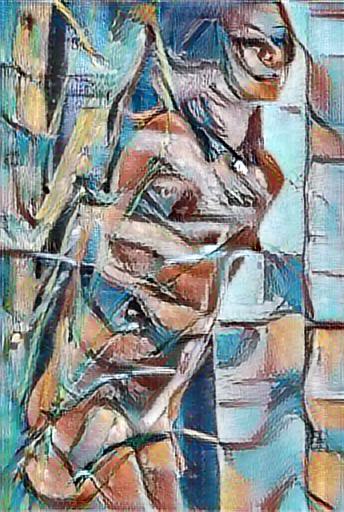
>DF / Chrome-born elegance crashes time’s gates—urgent, radiant, unapologetically now.
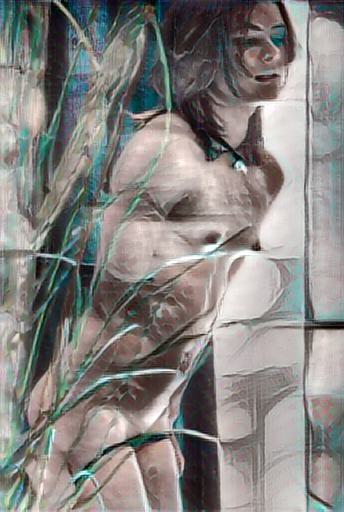
>galle / Petals fall behind her—freedom blooms in dazzling, unfiltered light.
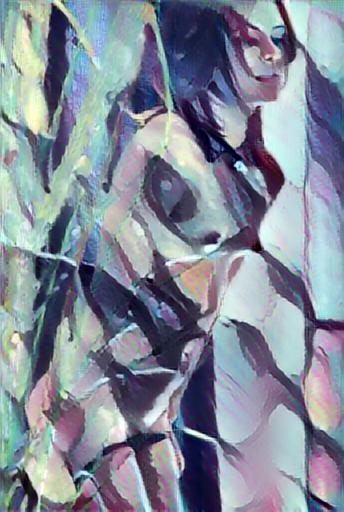
>kyoto / Velvet riffs ignite brass echoes—where rebellion sips from crystal.
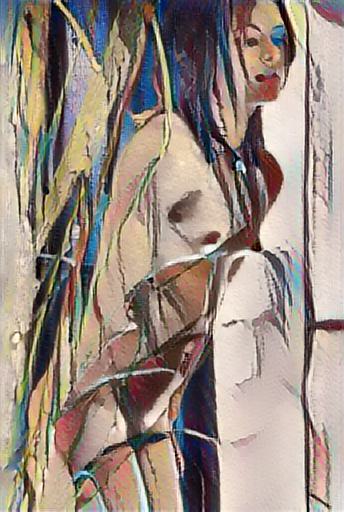
>naples / Veil of motion flickers—flight or allure, even she’s unsure.
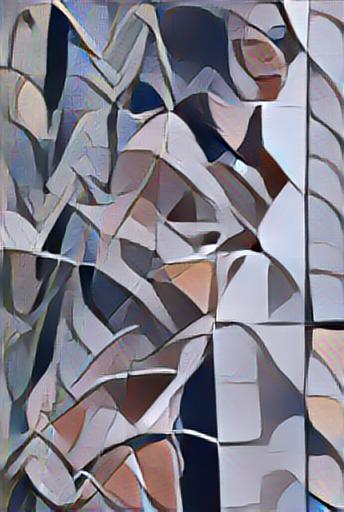
>oof / Starlit soul, foreign in form, yet utterly at home here.
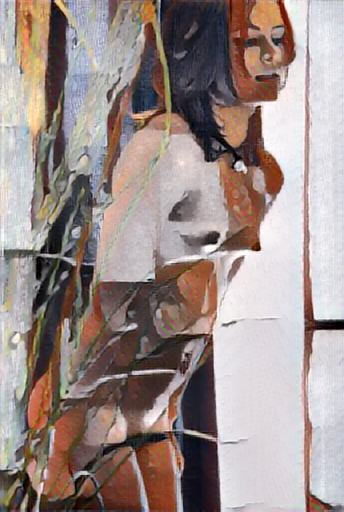
>ruby / Wilted bloom leans sunward—grief-rooted, yet reaching for light.
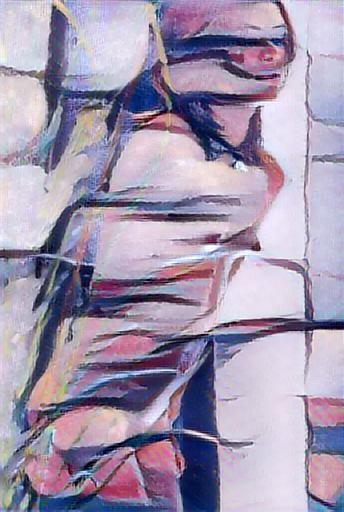
>WCN / Thrusters lit, heels high—she pierces time with flaming grace.
Artistic depictions of the nude female form have spanned millennia, from Paleolithic fertility figurines to the luminous canvases of the Renaissance and modern photography. In Western traditions, ancient Greeks revered the nude as an ideal of beauty, balance, and divinity—epitomized by works like Praxiteles’ Aphrodite of Knidos. The Renaissance revived these ideals, embedding them in religious and mythological contexts through artists such as Titian and Botticelli.
This genre has long functioned as a symbol of vulnerability, power, sensuality, and the human condition. It has also sparked essential debates about gaze and agency. Feminist critiques in the 20th century, notably by art historian Linda Nochlin, challenged traditional depictions for objectifying women, urging a reevaluation of who creates such works—and for whom.
The tension persists today: while some view the nude as a celebration of form and self-expression, others raise concerns about exploitation and cultural norms. Contemporary artists increasingly use the genre to reclaim narratives, exploring identity, consent, and the politics of representation.
Portraying nude females in art, therefore, remains a profound yet contested terrain—simultaneously timeless and evolving, reflective of society’s shifting attitudes toward gender, power, and beauty.