Though anchored in resilience, Tia occasionally yields to the sadness of the moment—not in weakness, but in grace.
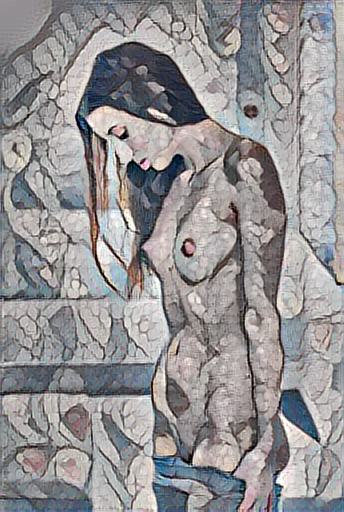
>coral / Interwoven echoes blur boundaries, revealing the seamless unity beneath.
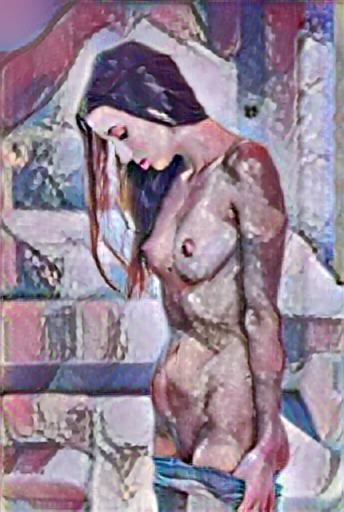
>duo / Lonely forms stand apart, tracing the quiet fracture of unity.
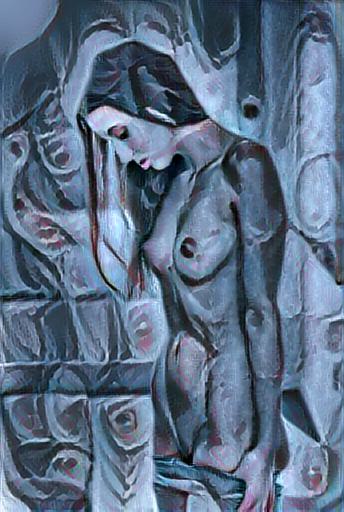
>durban / Blue wash descends—mourning emerges, cloaked in visual melancholy.
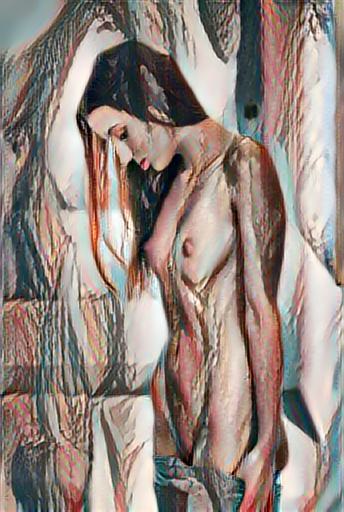
>EEC / Threaded strands dissolve—nature reclaims form in seamless interconnection.

>guilin / Starkness softened—its edges blur, yielding to quiet, aching grace.
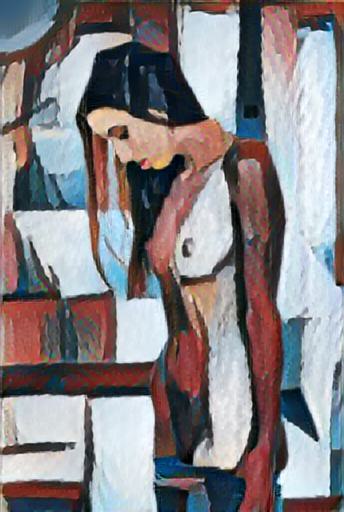
>luansa / Warmth recedes—harsh silence spreads across a barren, indifferent terrain.
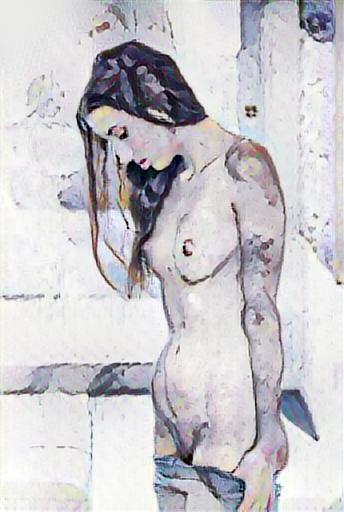
>milan / Clarity laid bare—truth glimmers where innocence meets unguarded light.
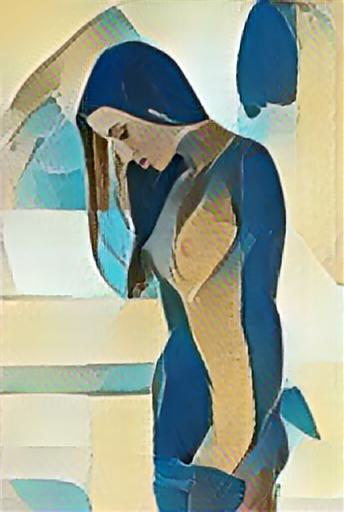
>narg / Details dissolve—personal fades, leaving an emblem of shared existence.
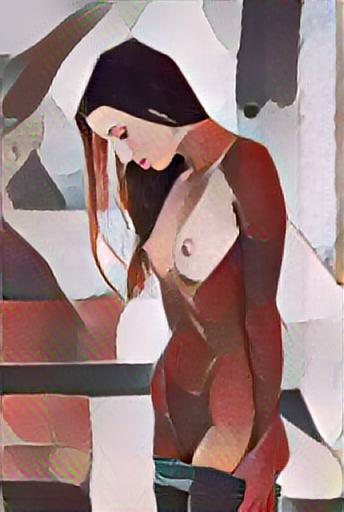
>pai / Grace and grit entwine—poised on the edge of expressive unrest.
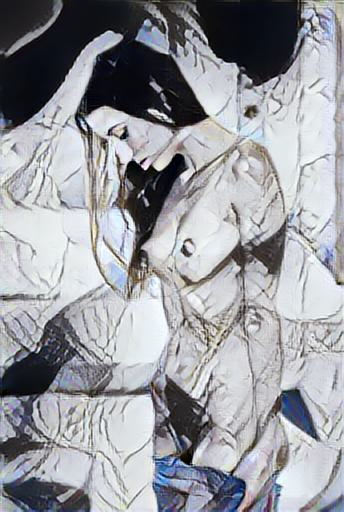
>RJT / Contrasts converge—layered essence unveiled through elegant tension and restraint.
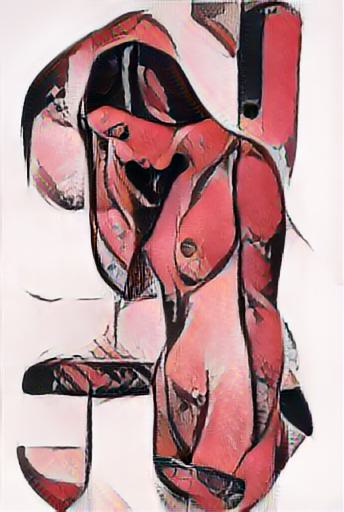
>rome / Scarlet drains warmth—crimson shadows tremble with looming, silent sorrow.
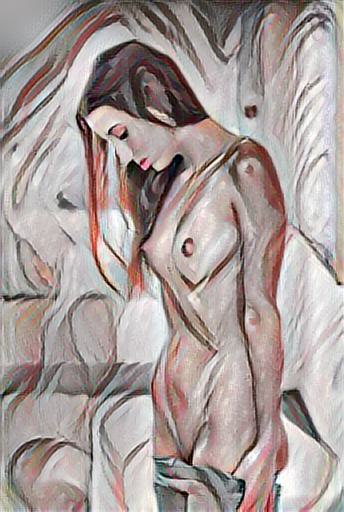
>uus / We drift, adapt—graceful in struggle, shaped by shifting currents.
In an art gallery centered around the “same subject, different interpretations” format, the subject becomes a catalyst—not the destination. This approach invites viewers to witness how artistic voice, technique, and emotional intention radically transform meaning. When each piece begins with the same nucleus—a shared figure, motif, or theme—it is the divergence that becomes captivating. The contrast between bold abstraction and delicate realism might scream disparity, but some of the richest revelations come through quiet, nuanced shifts.
A tilt of the head, a shadow’s placement, or the hue of a background can nudge an artwork into new emotional terrain. Through these subtleties, artists reveal their individual perspectives, and viewers learn to recognize that meaning isn’t fixed—it’s fluid and context-bound. The format becomes a masterclass in perception, offering insights not only into technique but into the human experience itself: how different eyes, histories, and hearts see the same world in unique ways.
More than an aesthetic experience, this kind of exhibition cultivates empathy, curiosity, and critical reflection. It encourages audiences to interrogate their own biases and to embrace multiplicity—reminding us that truth, like art, often lives in the interplay between sameness and difference.