She welcomes the brief moment of rest—fully aware of the challenges ahead.
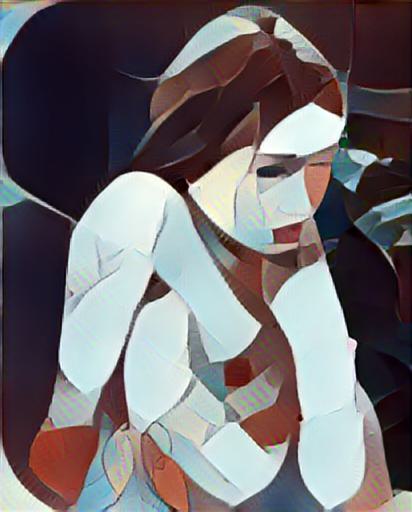
>act / Grief stacked in silence—each layer a collapsed certainty.
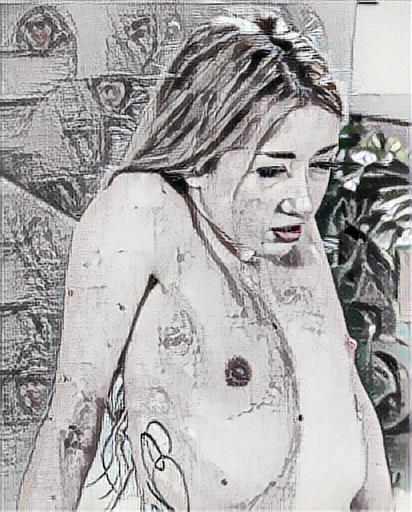
>bijou / Truth cuts deep—pain embraced as proof of clarity’s weight.
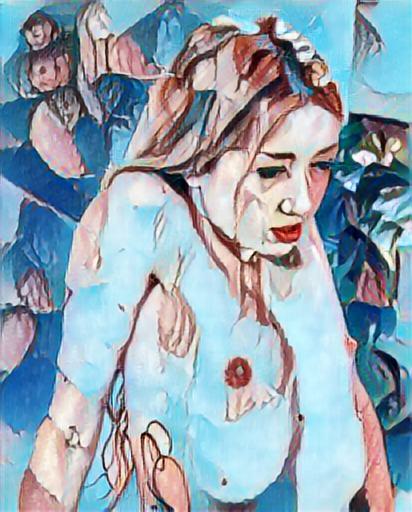
>bliss / Mood sinks to marrow—color bleeds from soul to silence.
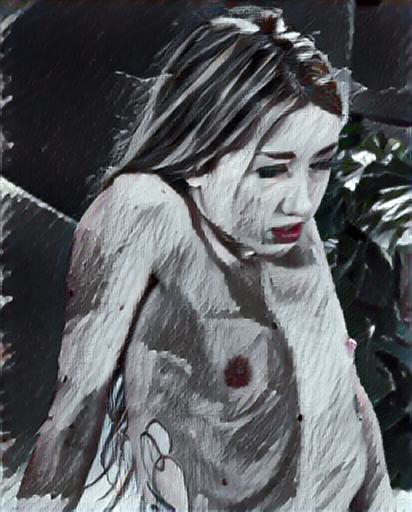
>jamie / Desire veiled in danger.
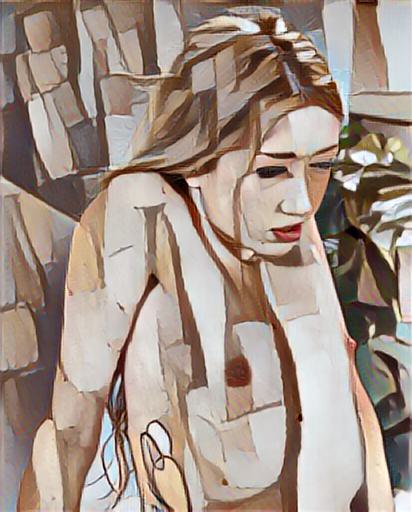
>mex / not currently for sale
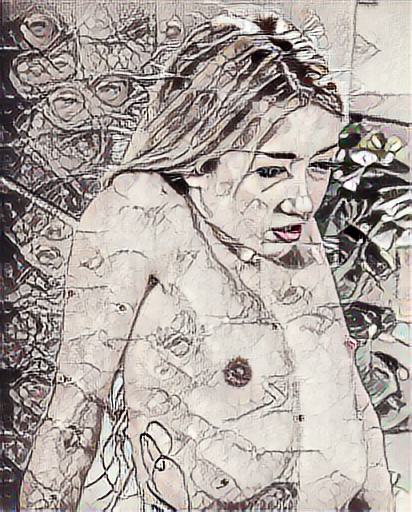
>octo / Weariness wrapped in quiet fulfillment.
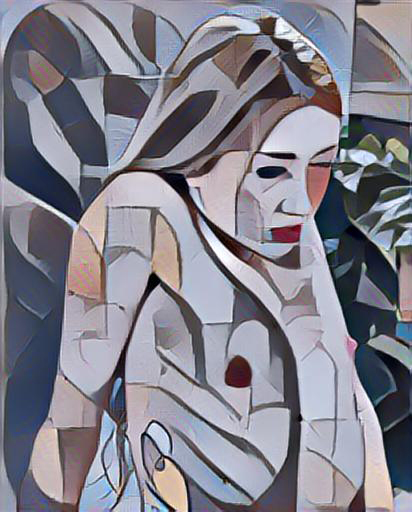
>oof / Tranquility parsed into aching revelations
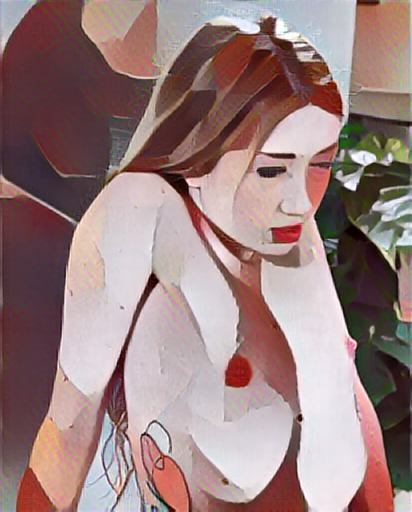
>pal / Strength spent wisely—gratitude glows beneath the weight of effort.
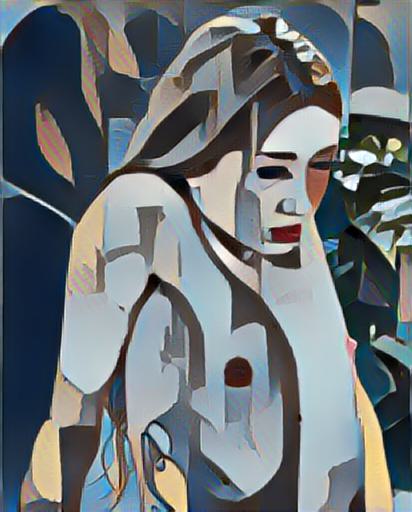
>RNR / Clarity stripped of comfort—truth etched in merciless precision.
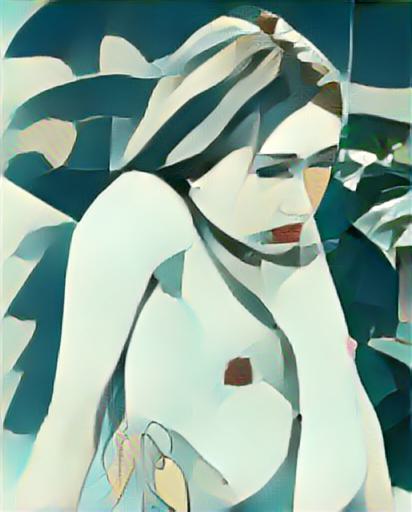
>siv / Longing—green fire blurs.
Emotion is the pulse of compelling portraiture—it transforms likeness into presence. Flattering, posed portraits often lack depth: frozen smiles and idealized angles may please the subject, but rarely stir the viewer. Portraits like Gainsborough’s aristocrats or society paintings by Franz Xaver Winterhalter epitomize this polish—graceful, yes, but emotionally distant. They preserve status, not humanity.
True resonance lies in raw moments. A child’s laughter caught mid-gasp, a furrowed brow etched by loss—these reveal truth. Dorothea Lange’s “Migrant Mother” stirs because pain eclipses pose; it’s not about beauty, but endurance. Lucian Freud’s portraits, heavy with psychological weight, peel identity to its emotional core.
Abstract impressionism thrives on emotional primacy. By abandoning strict realism, it taps directly into feeling—brushstrokes mimic heartbeat, colors mirror temperament. The form is less about features and more about the emotional landscape within. Portraits become internal weather maps.
Nude subjects heighten vulnerability. Stripped of societal armor, emotion becomes tactile—desire, shame, defiance, and grace show through posture and gaze. Abstract nudity goes further, rendering flesh as emotion rather than object.
We care about emotional portraiture because it reflects us. In a face twisted with joy or streaked with sorrow, we find recognition. These portraits say, “You are seen,” and in that moment, we are.