Majestically human—part myth, part truth, wholly poised. Kneeling strong.
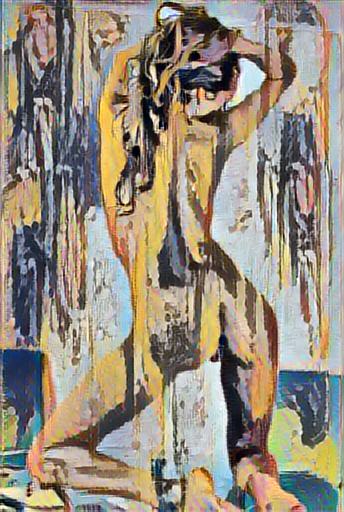
>abu / Cosmos rejoices.
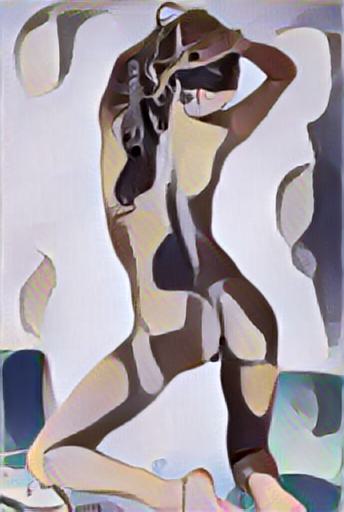
>alas / More than realism admits.
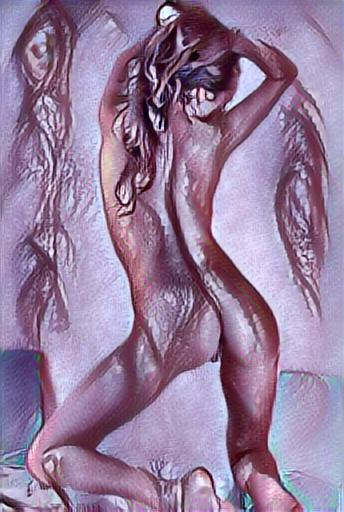
>bang / Vitality surges—existence embraced.
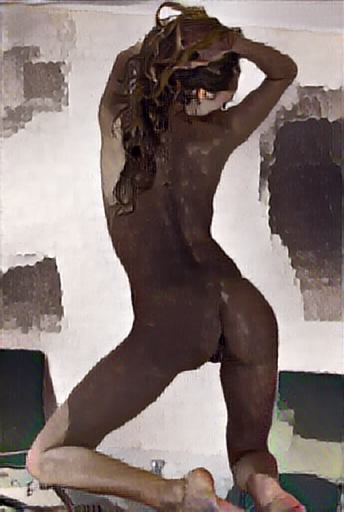
>bruges / Destiny’s drum summons contenders.
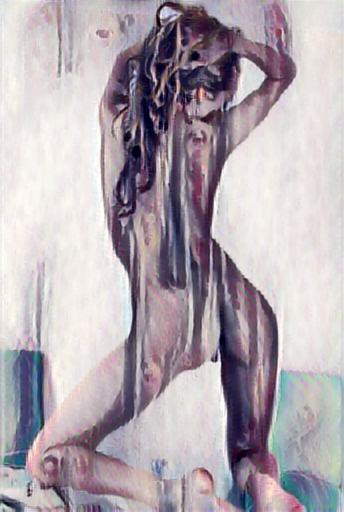
>kandy / The sky weeps happiness.
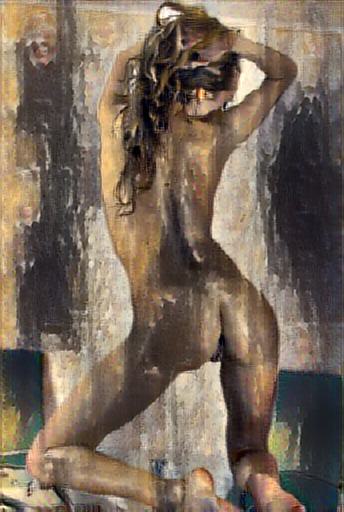
>LUX / Deluge falls, yet the flame dances undeterred.
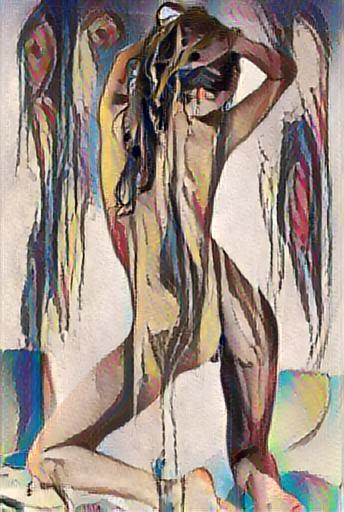
>naples / Nature dances in divine celebration.
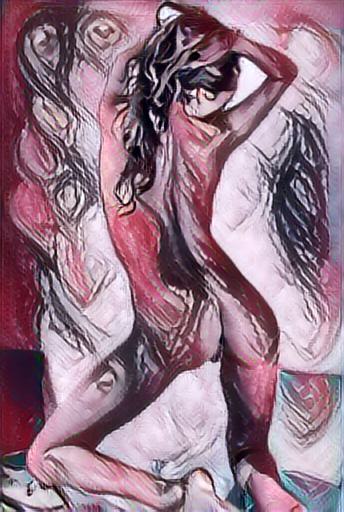
>RNB / Every feeling surges to be seen.
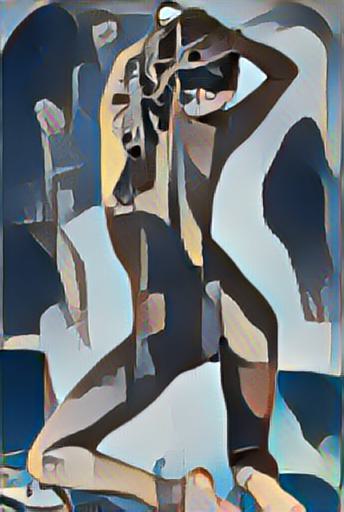
>RNR / Movement etched where silence once stood sentinel.
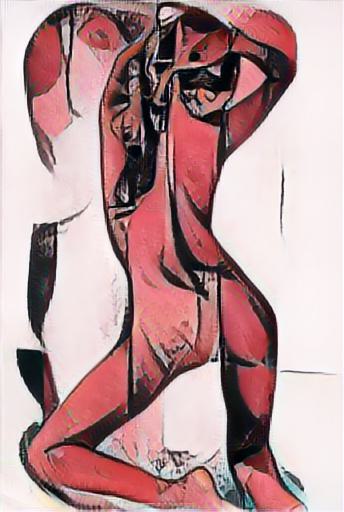
>rome / Choice dissolves into necessity.
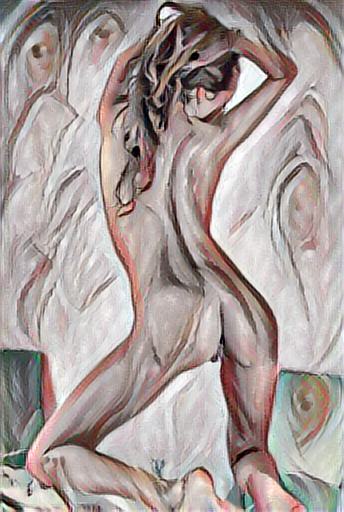
>UUS / Air stirs—ancient voices whisper.
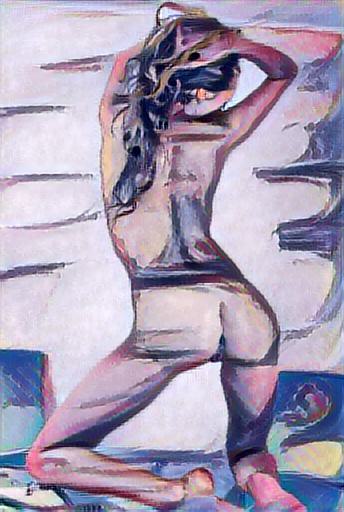
>WCN / Energy unfolds where stillness refused to speak.
Classic form portraits with the subject facing away offer a quiet celebration of the human body—unclaimed by identity, untethered from the individual. Unlike traditional portraits that communicate personality or emotion through expression, these compositions shift attention to form itself: musculature, posture, and proportion. The body becomes sculpture, anatomy elevated into artistry. In turning away, the subject becomes universal rather than personal—reminding us that human beings, in their physicality, share beauty with the creatures of the natural world. These portraits echo our place within the animal kingdom, not above it.
Abstract impressionism deepens this experience by dissolving rigid lines and replacing realism with emotive gesture. Brushstrokes become whispers of movement, and light infuses the contours with a sense of breath. Rather than rendering muscle and bone clinically, the style evokes sensation—grace becomes palpable, mood becomes physical. What impressionism brings to the party is not clarity, but emotion.
The best of these images are compelling because they invite recognition beyond identity. We see ourselves not in the face, but in the stance. In the arc of a spine or tilt of a shoulder lives a quiet magnificence. These portraits do not ask who we are—but what it means to be beautifully human.