Carla’s impatience is unmistakable—tinged with irritation, verging on exasperation.
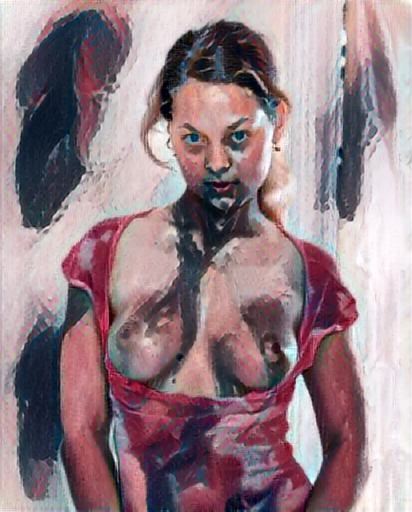
>avery / Tension coils—fury simmers beneath restraint, seconds from eruption’s edge.
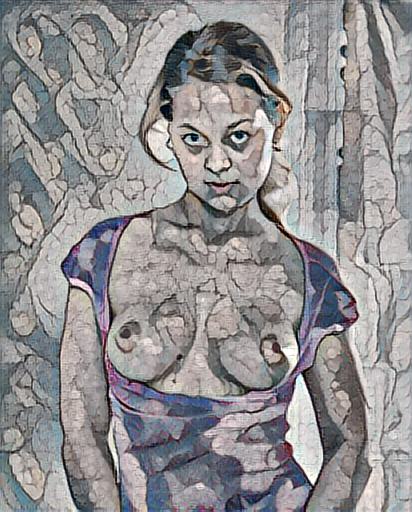
>coral / Intellect cloaked in subtle, silent superiority.
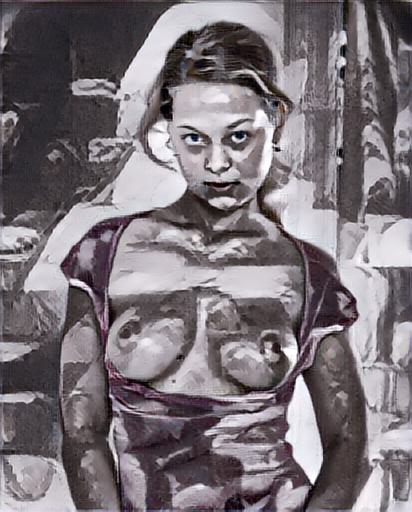
>dado / Ominous whispers swell
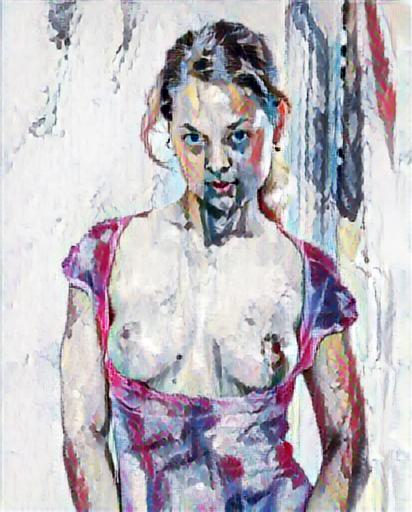
>DRJ / Playtime’s illusion fades.
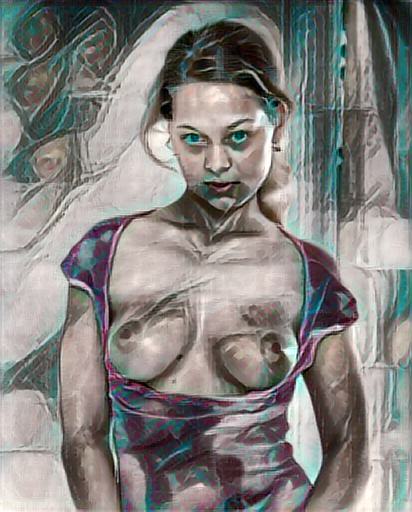
>galle / Wrath ascends.
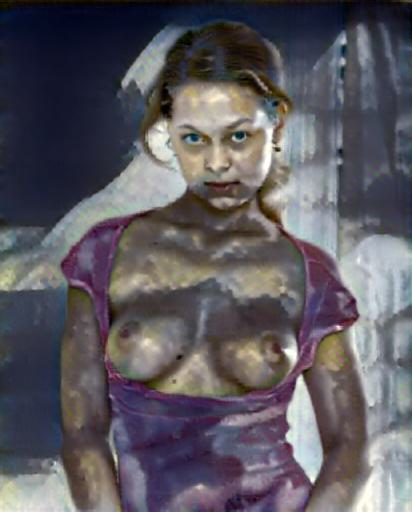
>hamburg / Silent menace coils.
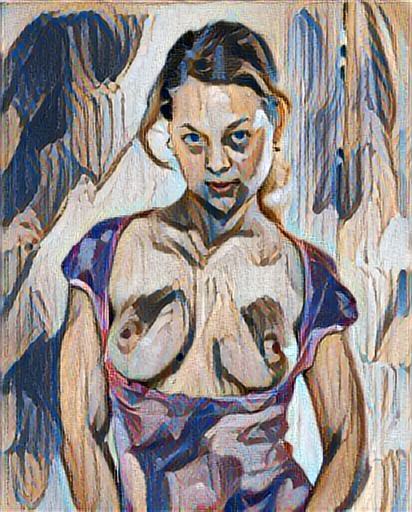
>kigali / Poised for confrontation.
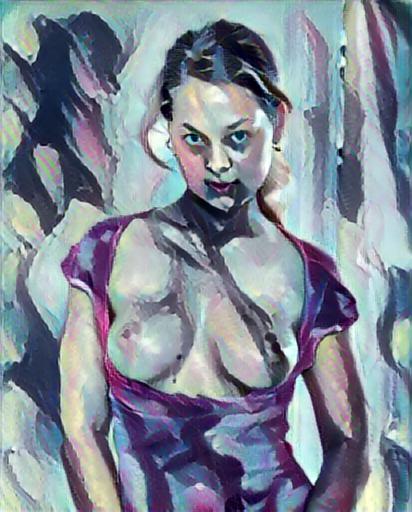
>kyoto / Divine judgment looms.
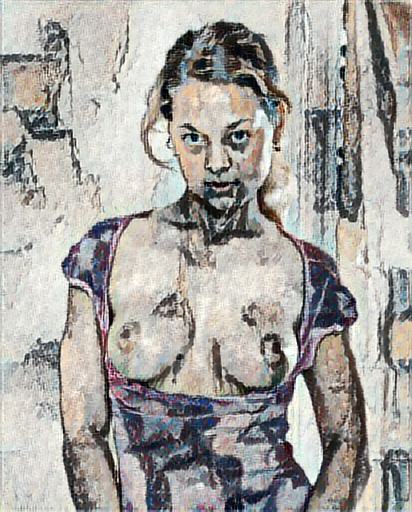
>pai / Aloof in authority.
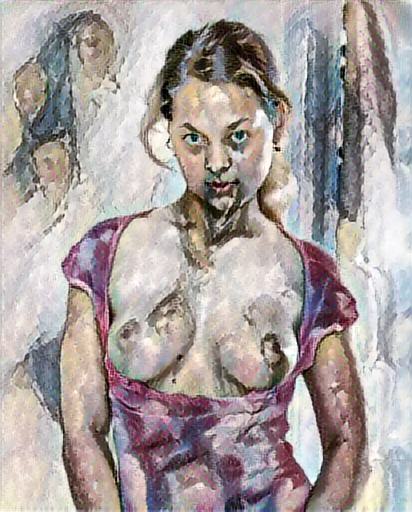
>PDE / Intent swift, heart poised.
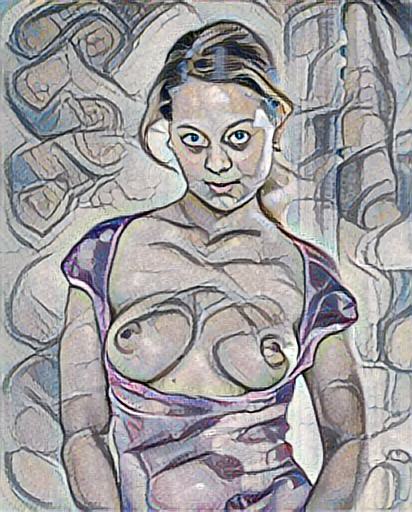
>tokyo / Adorable guise veiling sudden justice.
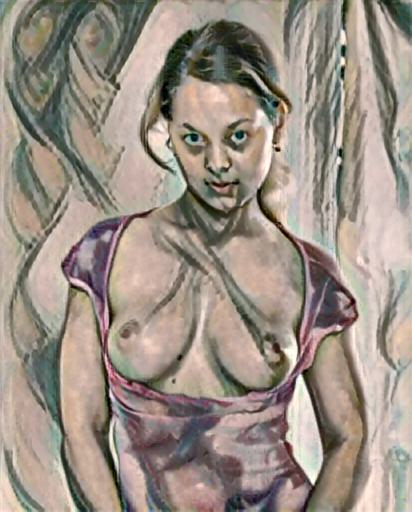
>zar / Instinct rejects intrusion
Throughout art history, certain works confront the viewer with a direct, unflinching gaze or posture that provokes reflection, discomfort, or defiance. Édouard Manet’s Olympia (1863) scandalized Paris with its unapologetic female nude staring back at the viewer—not passive, but challenging. Similarly, Gustave Courbet’s The Desperate Man (1845) grips the viewer with wild, arresting eyes, demanding response. These subjects seem to ask, “Why are you staring? What do you want from me?”
Abstract Impressionism extends this tension, eschewing figural clarity to heighten emotional provocation. A piece like Willem de Kooning’s Woman I blurs the boundary between abstraction and aggression—the figure’s distorted form and penetrating stare resist objectification, demanding to be seen as subject, not spectacle.
Partial nudity in such works teases the line between vulnerability and strength. When done thoughtfully, it amplifies intimacy, asks us to reckon with the human body as complex—neither merely erotic nor solely symbolic. It can subtract clarity, but add nuance.
These images compel us because they disrupt expectation. They challenge our gaze, implicate us in the act of looking. In that tension—between viewer and subject, desire and defiance—we confront something raw and universal: the need to be seen, and the fear of truly being known.