A refined woman, poised gracefully as she savors the cool breeze from her fan on a sweltering summer day.
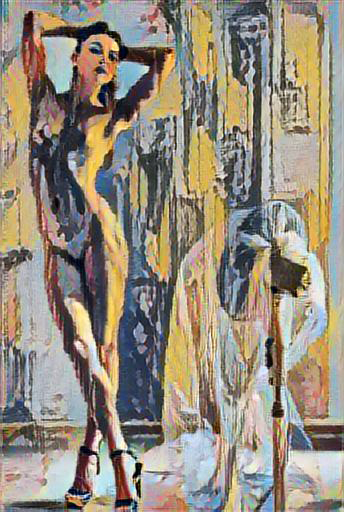
>abu / Gesture speaks—stance echoes mood, awakening reflection in silent witness.
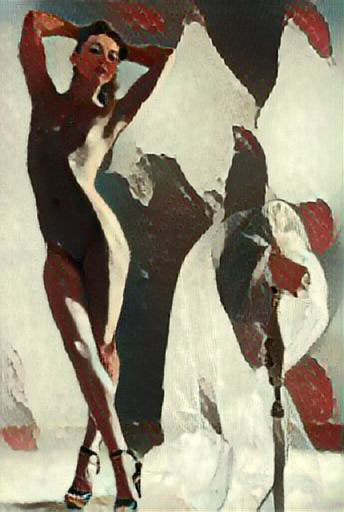
>briar / Veiled truth—concealment invites inquiry, birthing insight from ambiguity.
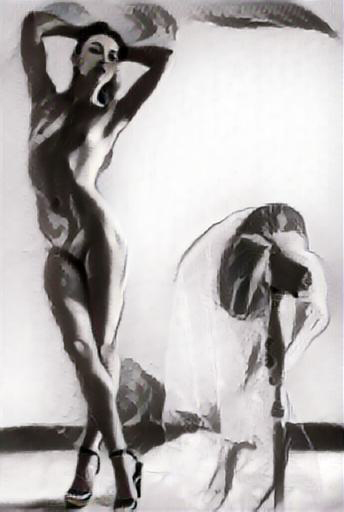
>brok / Monochrome clarity—light and shadow strip emotion to pure essence.
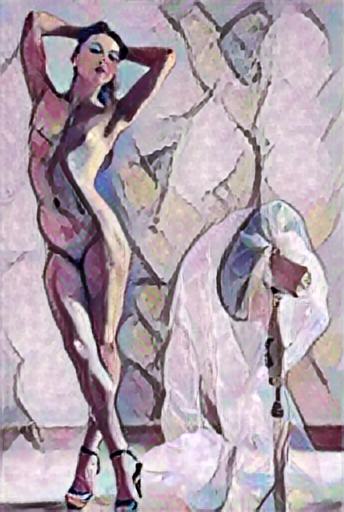
>FPJ / Mystic hue—twilight shimmer of whimsy, wonder, and whispered magic.
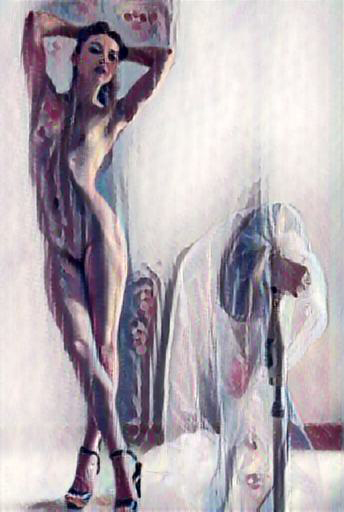
>kandy / Day’s cadence crescendos, unfurling passion’s fervent bloom in radiant surge.
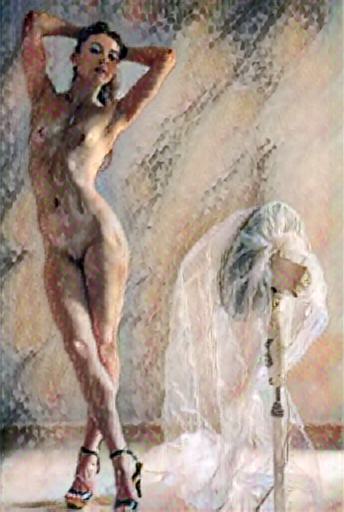
>leeds / Gilded sweetness—polish beguiles, masking what beneath shimmered delight.
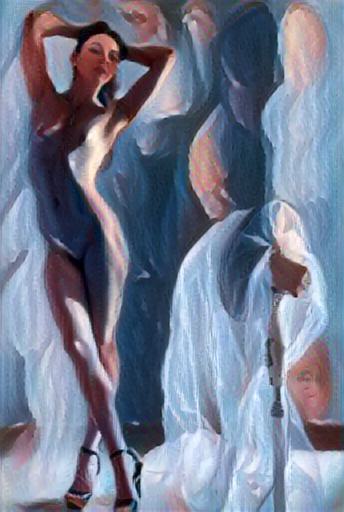
>lux / Edge refines—resistance unveils truth where ease may obscure intent.
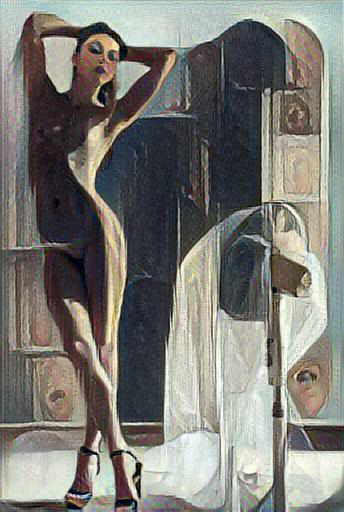
>quito / Enduring grace—existence eternal, gratitude rooted in timeless presence.
Photographic studio nudes entered modern culture through the pioneering work of Edward Weston, whose stark, sensual images of the human form challenged conventions and elevated nude photography to fine art. A contemporary of Ansel Adams, Weston’s work was more intimate and controversial, focusing on the body’s sculptural qualities and its connection to nature. His studio nudes, often abstracted and devoid of narrative, invited viewers to see the body as form, texture, and light—ushering in a new aesthetic language.
This lineage evolved with Helmut Newton, whose provocative fashion photography blurred boundaries between eroticism and editorial style. Newton’s studio work introduced power dynamics, glamour, and psychological tension, redefining how the nude could function in commercial and artistic contexts. Later, Robert Mapplethorpe pushed the envelope further, using studio settings to explore taboo themes of identity, sexuality, and subculture. His work remains controversial, yet undeniably influential.
Today, studio abstract impressionist portraits draw from this rich heritage. The controlled environment of the studio allows for intentional composition, lighting, and emotional nuance. It becomes a space of transformation—where vulnerability meets vision. We find these images compelling because they reflect both timeless artistic traditions and contemporary questions of self, beauty, and representation. The studio, in essence, becomes a crucible for meaning.