Strong yet reserved, poised for what lies ahead, and utterly serene.

>alas / Force stirs—will ignites beneath silence’s shell.

>amo / Forces align—elements converge in untamed collaboration.
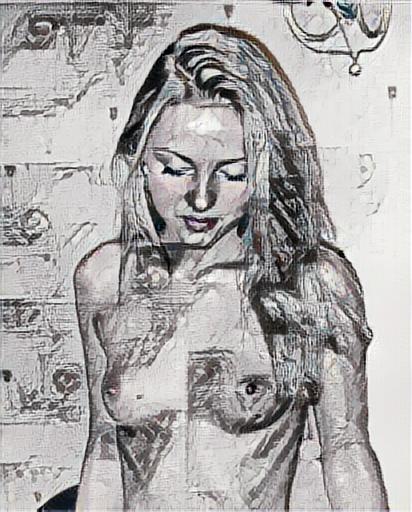
>bijou / Bold in essence—strength distilled to quiet, unwavering presence.

>jordon / Elemental might stirs.
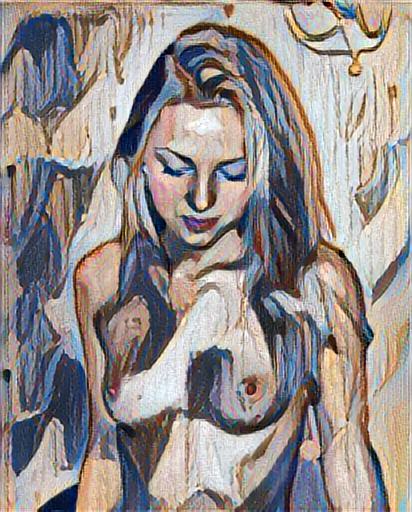
>kigali / Force collects—quiet momentum building toward inevitable transformation.
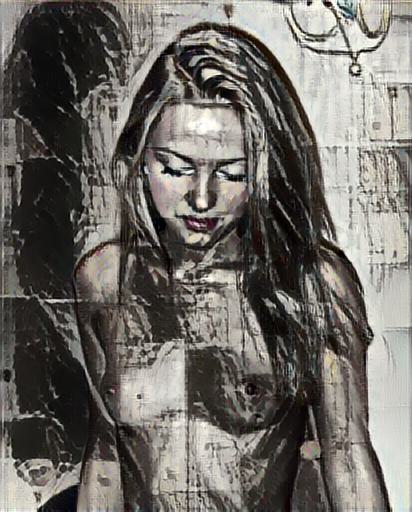
>lima / Enduring and whole—resilience touched by trial.
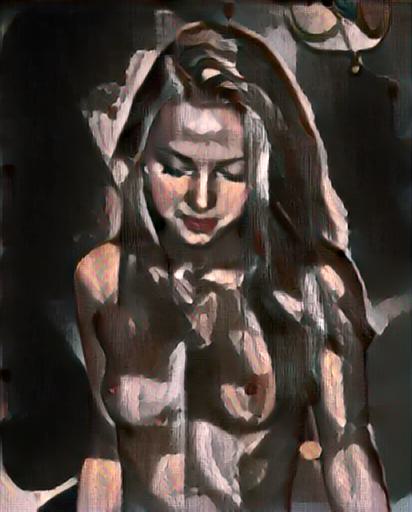
>onyz / Primal drive claws through layers of quiet civility.

>oof / Force unraveled—authority stripped to raw, elemental intention.

>pal / Parity holds—dignity thrives where balance meets quiet acceptance.
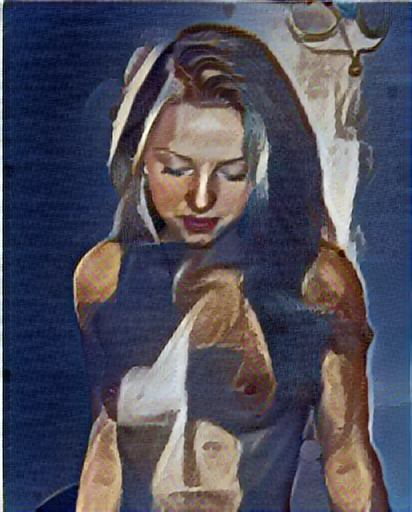
>phuket / Agony flickers.
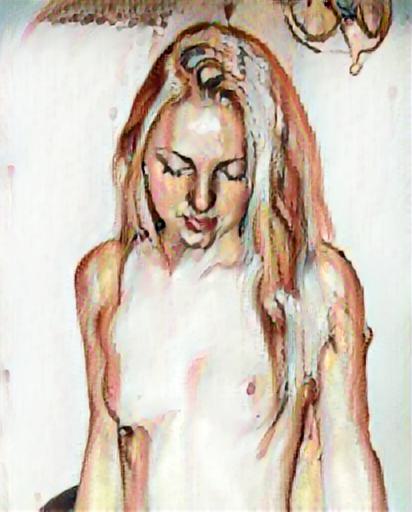
>pill / Neither diminished nor denied.

>snug / Complete in essence—every fracture mended, every echo returned.
Throughout art history, portrayals of demure women have often mirrored societal constraints—subtle gestures, lowered gazes, and passive postures echoing their restricted roles. Works like Jean-Auguste-Dominique Ingres’ Grande Odalisque or François Boucher’s Marie-Louise O’Murphy present women as ornaments of desire, their agency replaced by allure. These images reflect eras when female power was deliberately diminished or aestheticized to serve male narratives.
Yet some artists weaponize this very demureness to convey strength. Johannes Vermeer’s Woman Holding a Balance captures quiet resolve—a poised figure contemplating both worldly and spiritual value. Though gentle, she commands presence. Similarly, Gwen John’s introspective portraits elevate solitude and self-possession. These women aren’t consumed by their surroundings; they transform them.
In more recent examples, artists like Cindy Sherman challenge submissive tropes by reenacting and subverting them. Her self-portraits—emulating demure archetypes—fracture viewer expectations. They confront passivity with performative nuance.
These images succeed by embedding power in restraint. Instead of dramatic gesture, they offer strength through stillness, control, and ambiguity. The challenge lies in resisting obvious statements: to paint a woman as demure without erasing her depth, to allow softness without diminishing sovereignty. It’s this tension—between perceived weakness and latent force—that makes such portraits enduring and profound.