Her husband’s gift was clearly more for him than for her, though she couldn’t deny the nostalgia—she had always loved jungle gym as a child.
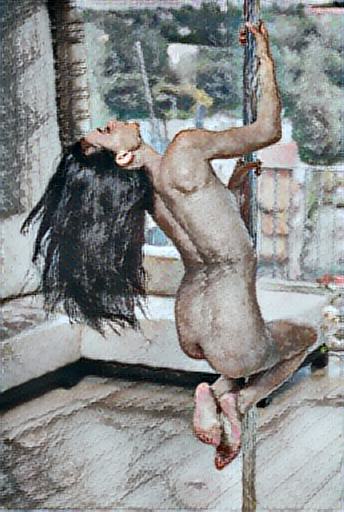
>AL / Predictable dulls—risk dances where reason dares not tread.
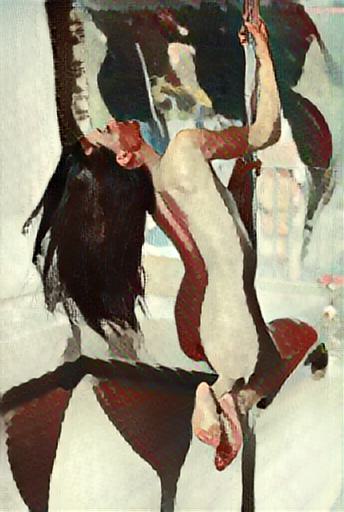
>briar / not currently for sale
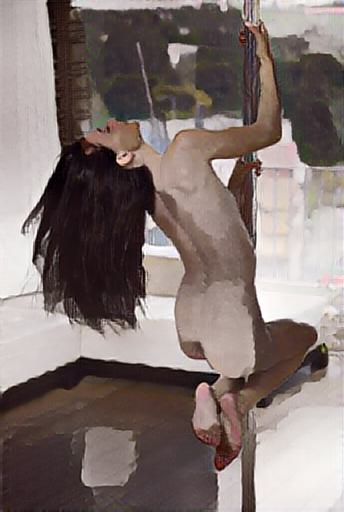
>burges / not currently for sale
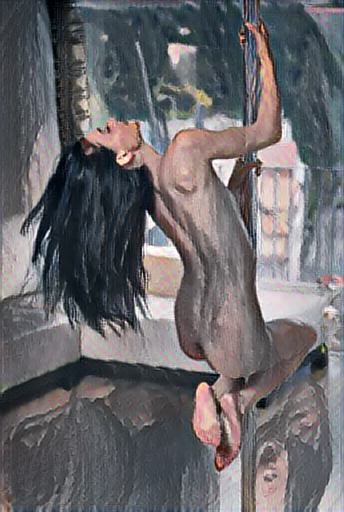
>cairo / Lightbound ascent—shadow falls as grace rises, fearless and luminous.
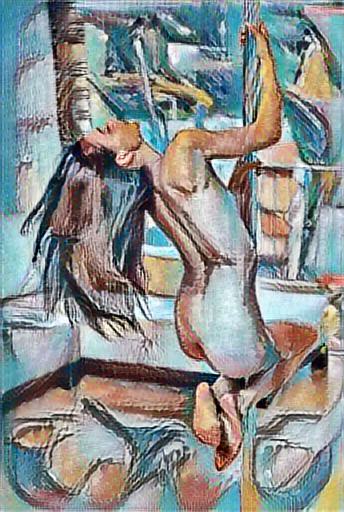
>DF / Global rhythm calls—earth sways, beckoning all to joy’s movement.
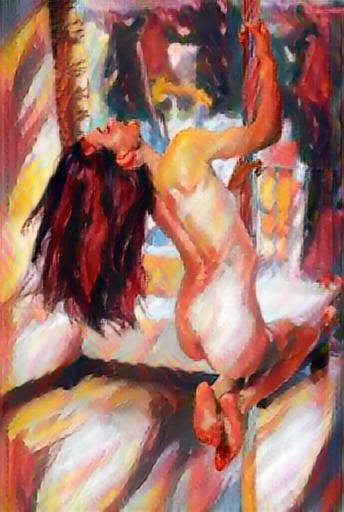
>fry / Lunar groove—fiery rhythms leap skyward in euphoric rebellion.
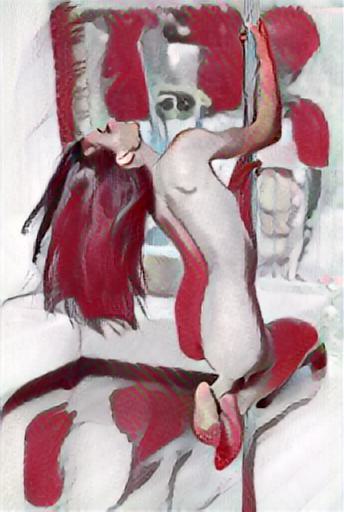
>lagos / Pure ease—existence hums with joy, unburdened and simply radiant.
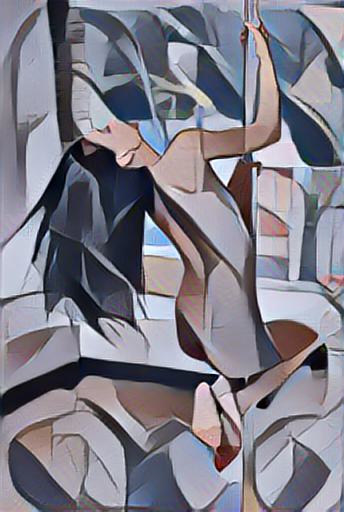
>oof / Unity emerges—fragments align, revealing structure within seeming chaos.
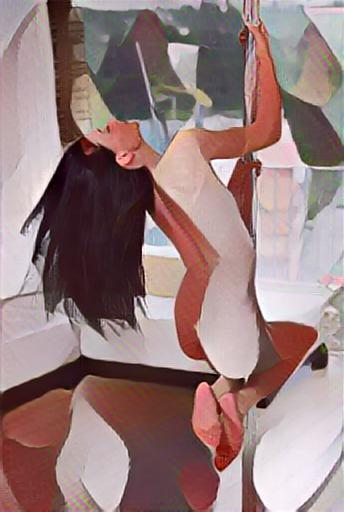
>pal / minimalism sings where complexity once crowded the soul.
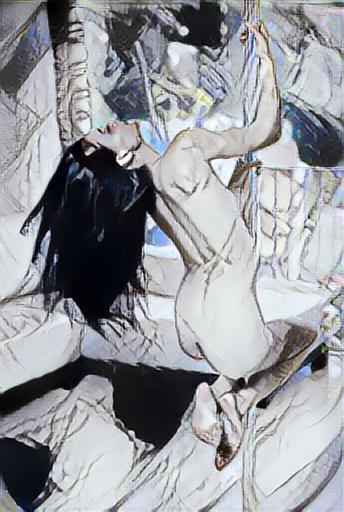
>RJT / Stellar grace—bodies arc through space with celestial energy.
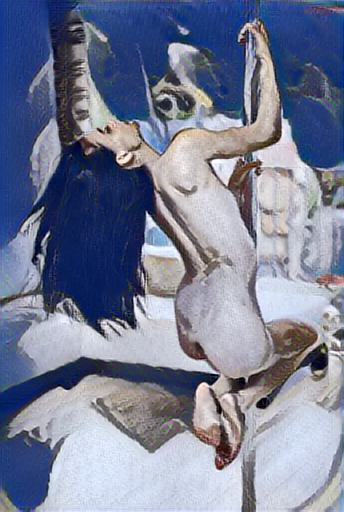
>sim / Vibrant defiance—monotony denied, life erupts in spirited refusal.
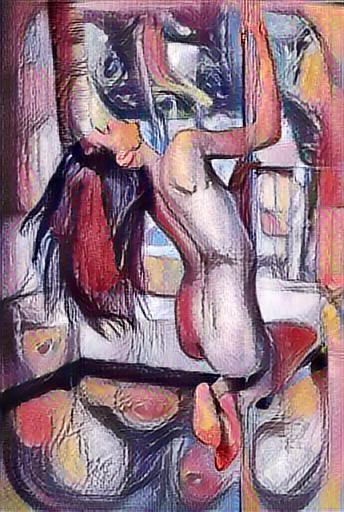
>simplex / Ambition strains—space yearns upward, boundless spirit pressed by architecture’s limit.
Art that conflates tropes and stereotypes—especially in nude portraiture—provokes, puzzles, and seduces by layering familiarity with disruption. Works like Manet’s Olympia or Cindy Sherman’s Untitled Film Stills reframe the classic reclining nude or cinematic femininity, respectively, to expose the artifice behind cultural ideals. Sylvia Sleigh’s reversal of the male gaze, painting nude men in poses traditionally reserved for women, is another pointed example.
Our minds are drawn to dissonance because it activates cognitive tension—a clash between expectation and reality. This tension invites deeper engagement, forcing us to reconcile what we know with what we see. Interpretations diverge because viewers bring personal histories, cultural biases, and emotional filters to the work. A nude may evoke empowerment for one, vulnerability for another.
Classic sexist tropes—passive femininity, objectified beauty—bring a charged legacy. When artists repurpose these tropes, they can critique, parody, or reclaim them. Feminist critiques often highlight how such portrayals reflect systemic power imbalances, but also how reimagining them can subvert those very structures.
Parody and commentary blur in this space. The line between homage and critique is often intentionally unstable. We find these images compelling because they reflect our contradictions—desire and discomfort, beauty and bias, myth and truth—all laid bare.