Sunlit shorelines whisper boundless freedom and simple, effortless delight.
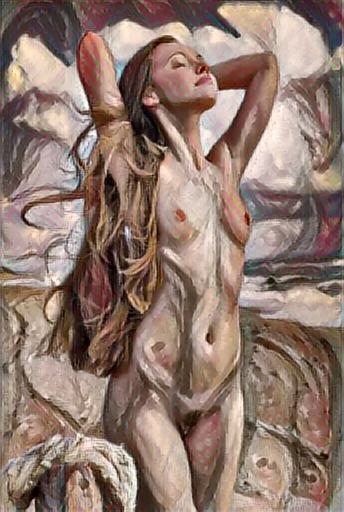
>amo / Flesh and firmament entwined.
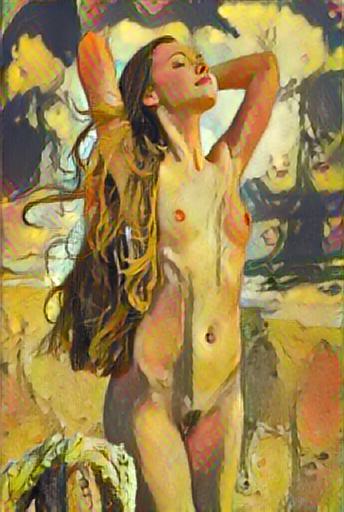
>bog / Light pierces deep—warmth seeps into the soul.
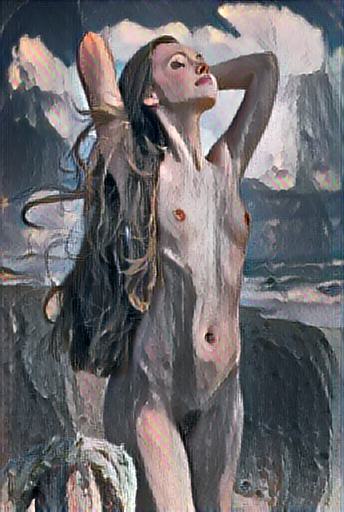
>cairo / Life exults in radiant ease and rhythm.
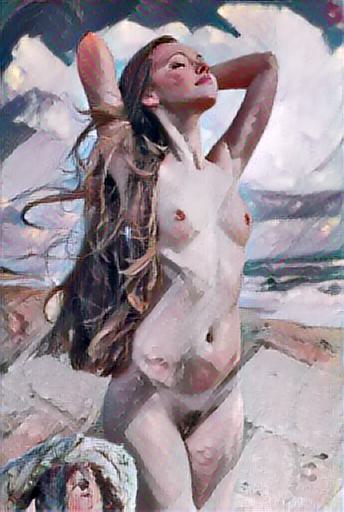
>ears / Joy overflows.
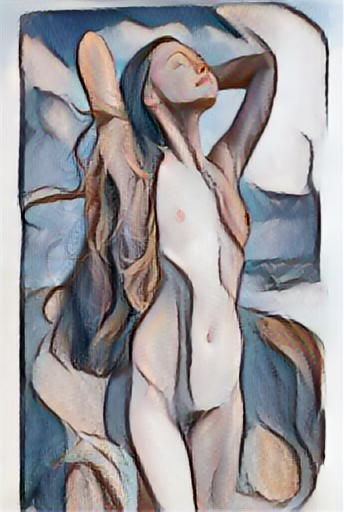
>irv / Essence distilled.
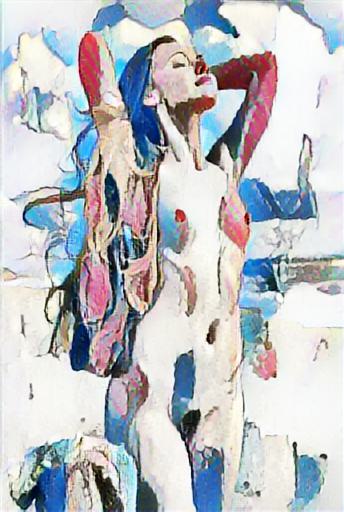
>kobe / Radiant, untamed celebration.
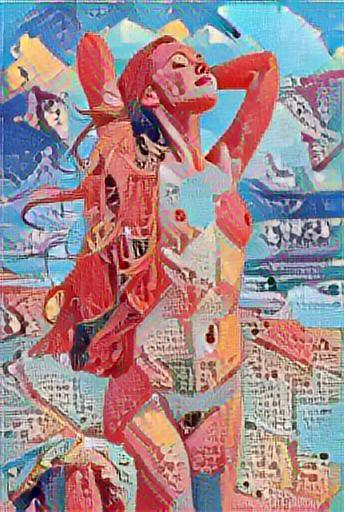
>LBL / Whimsy loops forever.
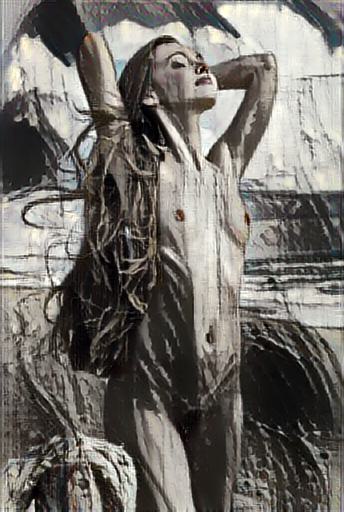
>lima / The sky clears with rebel light.
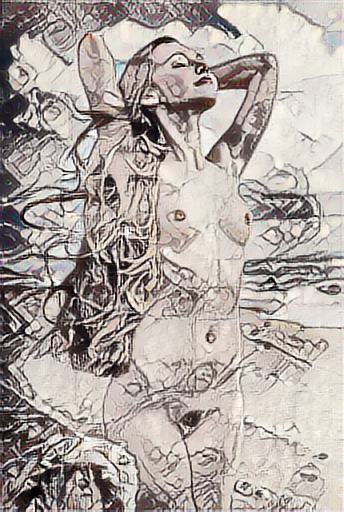
>octo / Aroma dances—happiness lingers in sunlit air.
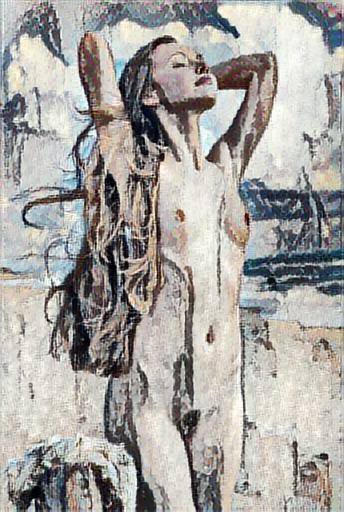
>pai / Nature gently cradles.
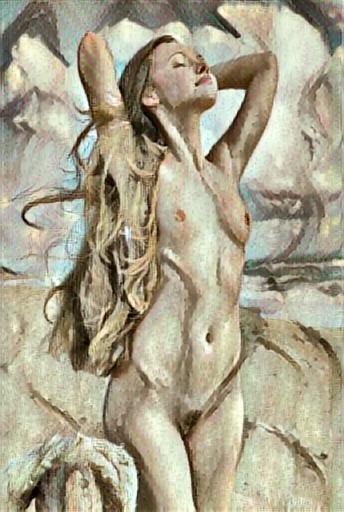
>tex / Color returns—light awakens.
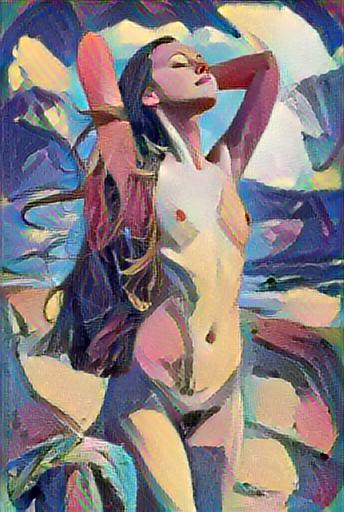
>warsaw / Exaggeration incarnate
Portraits of individuals reveling in the beach’s embrace—wind tousling hair, eyes serenely closed toward the sun—offer timeless expressions of liberation. From early 20th-century works like Edward Weston’s nude studies in the dunes to the exuberant beach scenes of Joaquín Sorolla, these images whisper of moments untouched by obligation. What makes them compelling is not just aesthetic beauty, but the declaration of emotional truth: a pause in life’s torrent, where the sun, sea, and self converge.
The nude subject transforms such portraits into sacred rites of vulnerability. Unclothed yet unashamed, they stand unarmored before nature, emphasizing the beach as a space of elemental honesty rather than societal posturing. It’s a bold departure from the decorative clichés—no lighthouses or folded umbrellas, but flesh meeting light with primal reverence.
Abstract impressionism magnifies the mood by dissolving literal detail into sensation. The salt breeze becomes a brushstroke; sun-warmed skin, a smear of gold; laughter, a blur of motion. These images aren’t about recognizing a face or place—they’re about feeling the moment’s warmth, expansiveness, and joy.
We are drawn to them because they remind us of something universal: the sheer pleasure of being alive, briefly suspended between the shore of self and the tide of everything else.