Revealing one’s self through rhythm touches something ancient and true.
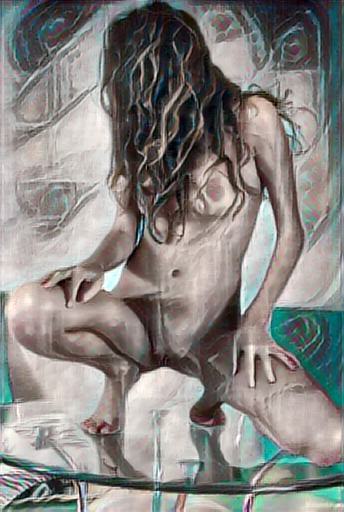
>galle / Essence never loses its beat.
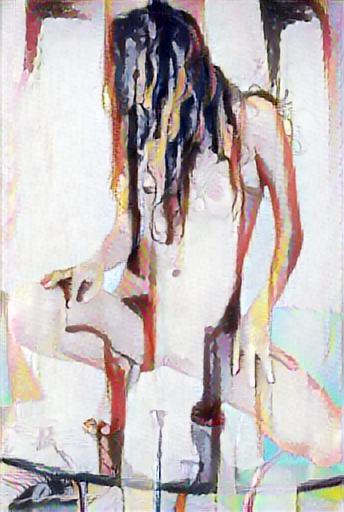
>koda / Flight in rhythm’s embrace.
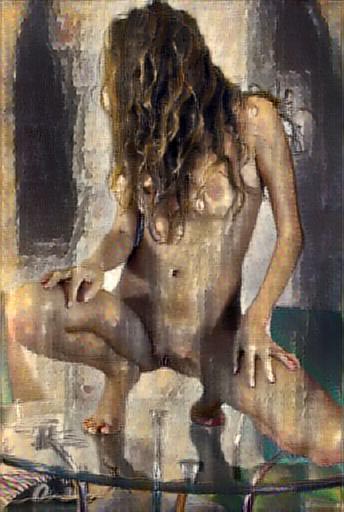
>LUX / Instinct reigns—raw expression reveals truth untouched by refinement.
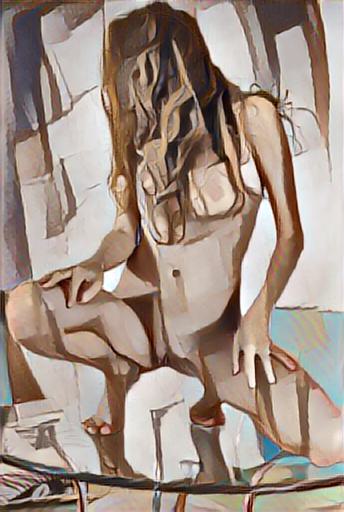
>mex / Earth pulsing through abstraction.
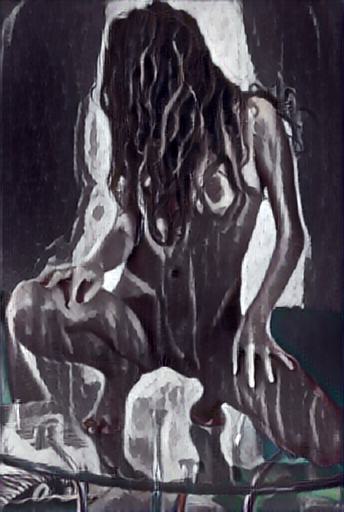
>osaka / Darkness ascends.
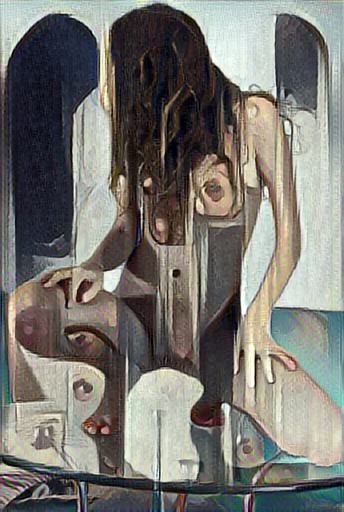
>quinto / Sky-bound dreams and roots anew.
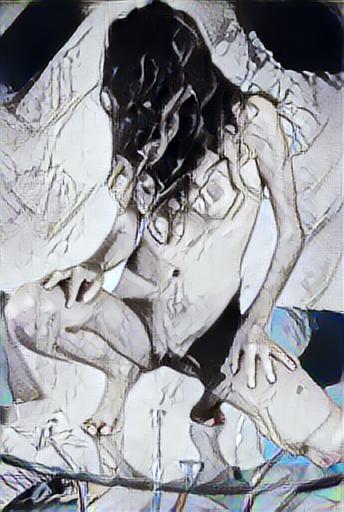
>RJT / Lustre veils truth.
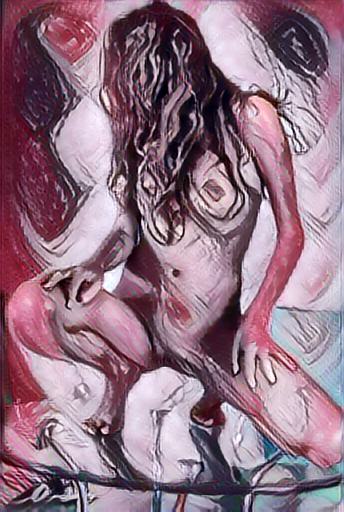
>RNB / Rage refined—emotion forged into beauty,
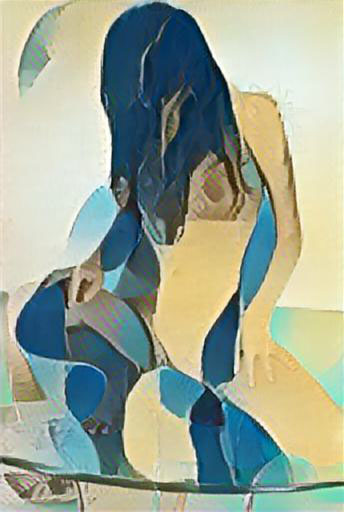
>narg / Bound between realms.
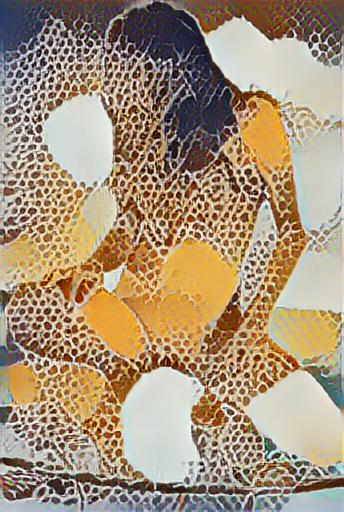
>ubud / Nuance lost in shorthand.
Portraits of dance speak to an elemental form of human expression—where movement is stripped of artifice, and the body becomes both canvas and brush. In these images, personality pulses through every gesture. Dance is intensely personal, shaped by rhythm, instinct, and emotion unique to each individual. Yet paradoxically, it transcends the dancer—becoming a collective language that evokes shared experiences of ecstasy, grief, rebellion, and release.
The style or genre of dance contributes texture, but does not define the power of these portraits. Classical ballet suggests discipline and fragility; contemporary movement shouts improvisation and defiance; folk styles root us in ancestral rhythms. Cultural stereotypes emerge—graceful femininity, virile masculinity, exoticism—but the nude body challenges them, reclaiming authenticity and subverting imposed ideals.
Abstract impressionism elevates the experience. In its smudged lines and evocative forms, motion takes precedence over precision. The dancer blurs into emotion, becoming sensation rather than subject. What shines is not the pose but the pulse, not anatomy but atmosphere.
These images compel because they dissolve boundaries—between viewer and dancer, self and species, discipline and impulse. They remind us that to move is to speak without words, and to