Outdoors, a woman of striking elegance stands poised—her sculpted features radiate sophistication, accentuated by the natural light that frames her in effortless glamour.
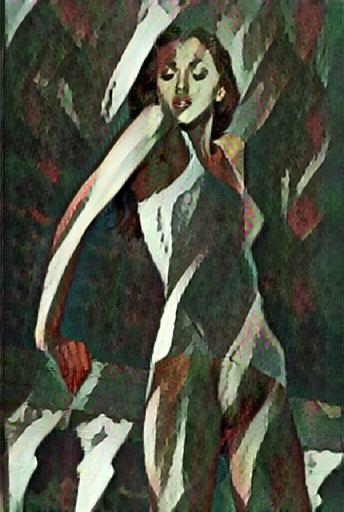
> bulin / Half-formed grace—she hovers, caught between becoming and vanishing light.
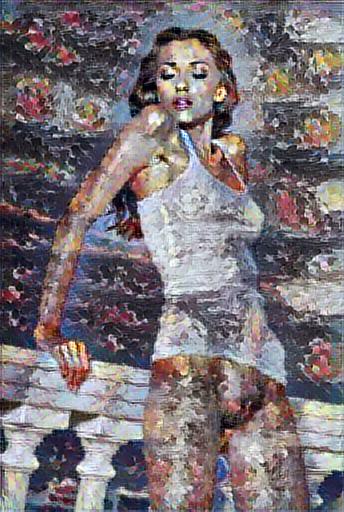
>crank / Revelation or veil—meaning flickers between clarity and concealment.
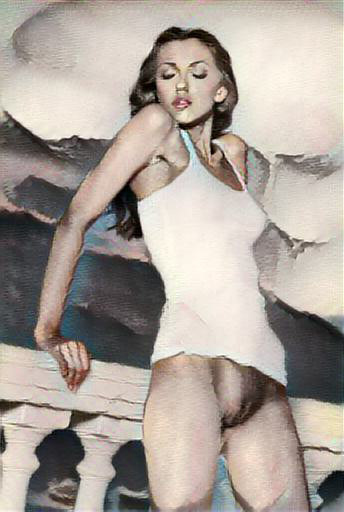
>cusco / Surging threat above—oceanic chaos seeps into sky’s unsettling hush.
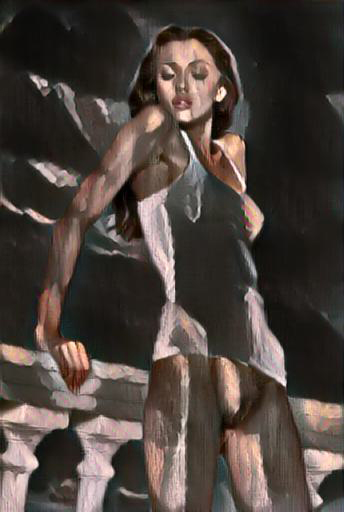
>onyx / not currently for sale
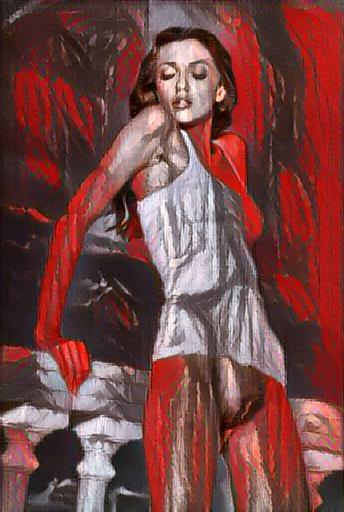
>opal / Veiled in crimson—untouched, she radiates indomitable spirt.
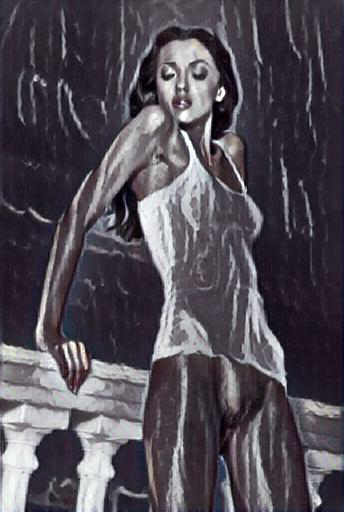
>osaka / Night falls gently—shadow cradles courage, not the trembling of light.
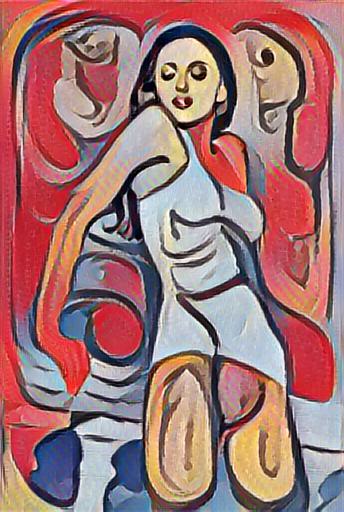
>vat / Fool’s mask teaches—truth hides in jest’s unsettling reflection.
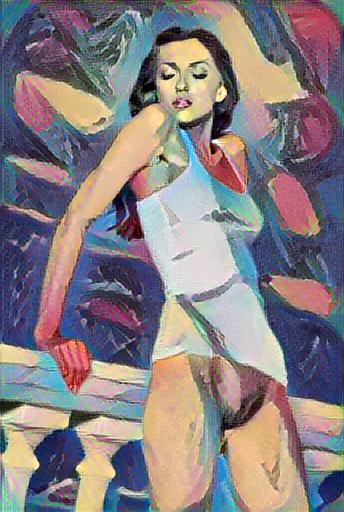
>warsaw / Presence ignites—moment fused with strength in undiluted clarity.
Outdoor paintings often celebrate the organic pleasures of nature—sunlight filtering through leaves, the texture of earth, the quiet rhythm of wind and water. Into this serene context, glamour introduces a jarring counterpoint: polished surfaces, stylized figures, and curated elegance. The tension between these elements can feel dissonant, yet it’s precisely this friction that creates intrigue.
Historically, artists like John Singer Sargent and Claude Monet explored this dynamic. Sargent’s Lady Agnew of Lochnaw may be set indoors, but his plein air studies of aristocrats lounging in gardens—draped in silk against wild foliage—hint at this contrast. Monet’s Women in the Garden (1866) places fashionable figures in natural light, their couture clashing with the unruly blooms around them. The glamour doesn’t undermine nature—it reframes it, suggesting that beauty can be cultivated and wild simultaneously.
This interplay compels us because it mirrors our own duality: the desire to belong to nature and the impulse to transcend it. Glamour in outdoor scenes doesn’t erase authenticity—it heightens it through contrast. When done with nuance, it evokes a layered narrative: one of presence, performance, and the fragile boundary between the cultivated self and the untamed world. It’s not wrongheaded—it’s a mirror held up to our contradictions.