An exceptionally serene woman standing with her eyes gently closed.
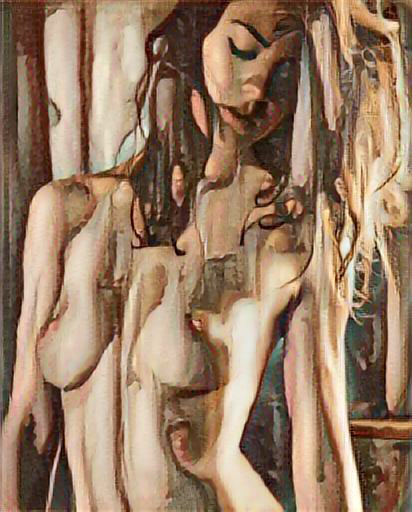
>bogata / Existence ripples through flesh and memory.
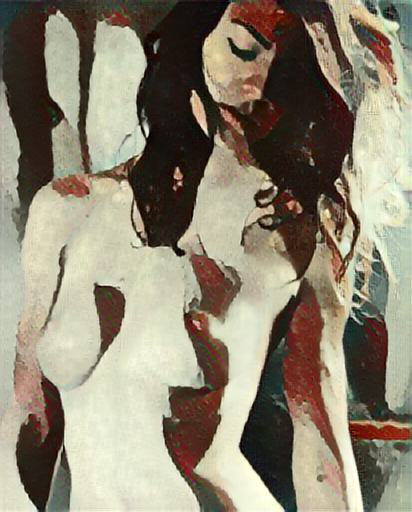
>briar / Purpose reclaims the map—wandering ends where truth begins to speak.
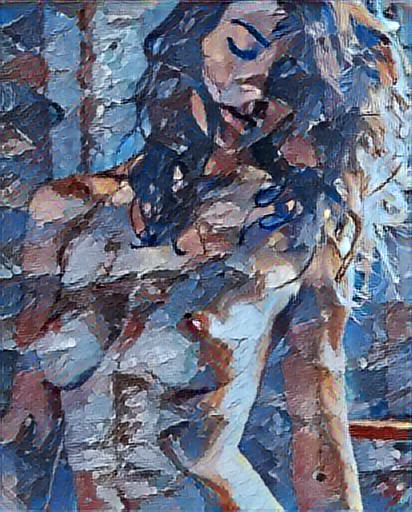
>dakar / Peace unbothered—stillness stands untouched by ambition’s restless grip.

>FPJ / Desire and peace braided in quiet blaze.
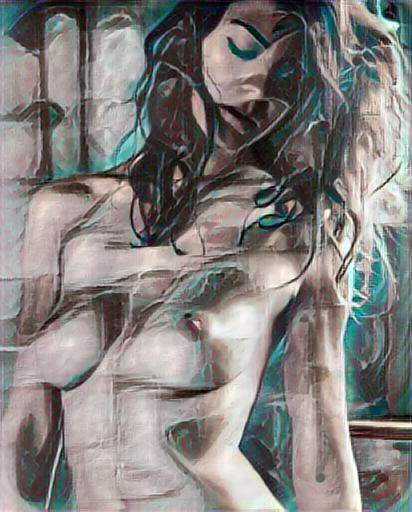
>galle / Electric calm glows—tranquil pulse beneath radiant chaos.

>hanoi / Threads of memory entwined—souls stitched into shared becoming.

>tres / Identity dissolves in warmth beyond thought’s reach.

>warsaw / Silence tenses—peace poised at the cusp of chaos.
Serenity in portraiture often emerges as a soft resistance—an intentional stillness amid chaos. Historically, serene women in art have been depicted as quiet, contemplative figures: Vermeer’s “Girl with a Pearl Earring” glows with suspended emotion; Whistler’s “Mother” anchors calm through posture and domestic grace. These portrayals suggest serenity as passive, yet profoundly inward.
Male portraits often convey serenity differently—firm and composed, like Dürer’s self-portrait or da Vinci’s “Portrait of a Man in Red Chalk.” The serenity is stoic, aligned with strength. Gender plays a subtle but crucial role: female serenity tends to be framed as delicate or devotional; male serenity as noble restraint. These choices reflect societal expectations of emotional expression.
Abstract impressionism rewrites these conventions. Artists like Georgia O’Keeffe and Mark Rothko render serenity as color, rhythm, and breath. Here, peace is not posed—it pulses. The figure, sometimes absent or fragmented, becomes atmosphere.
When nude, serenity transcends modesty. Nudity strips away societal signals, inviting vulnerability and metaphysical openness. Think of Modigliani’s reclining nudes—serene, yes, but assertive in repose.
These portraits compel us because serenity, captured honestly, feels aspirational. In a world of noise, they offer sanctuary. We gaze, not just to admire, but to inhale the hush stitched into the canvas.