Parting is such sweet sorrow or maybe just sweet.
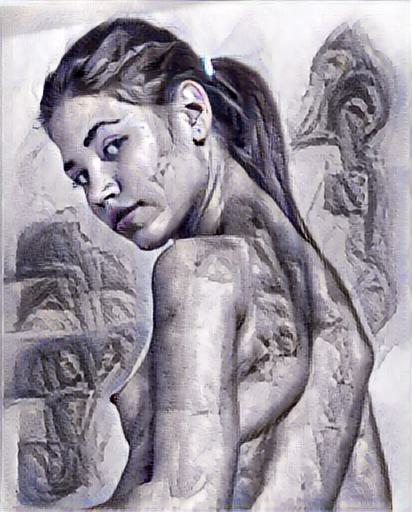
>black / The final breath of belonging.
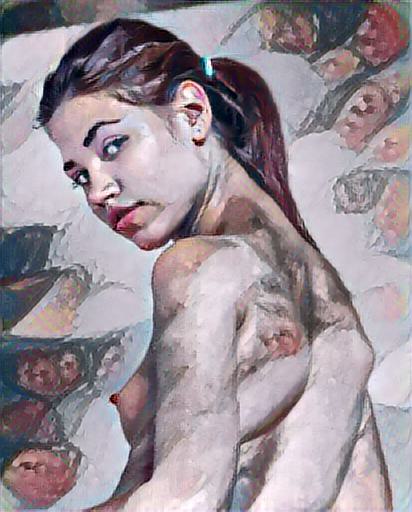
>ears / Her farewell a tender balm against the closing door.
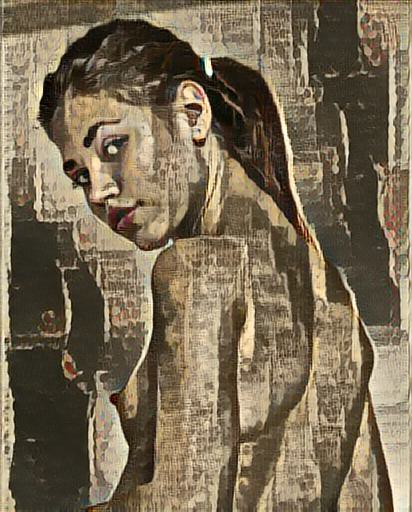
>ella / Departure carved by clarity’s unforgiving edge.
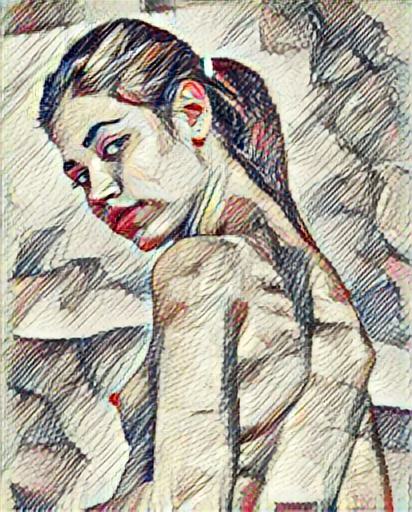
>jett / Truth waited quietly where denial once stood guard.

>manilla / Justice, unswayed—consequence met.
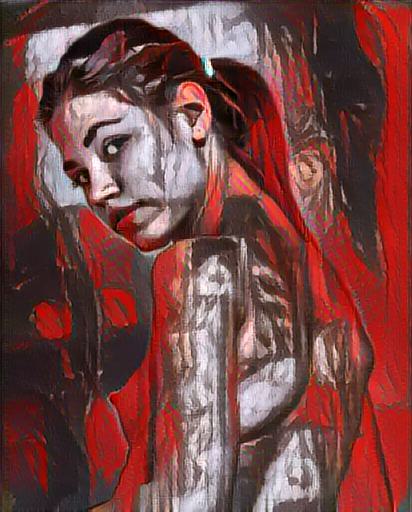
>opal / Fire withheld—emotion simmering beneath.

>PDE / Compassion offered freely.
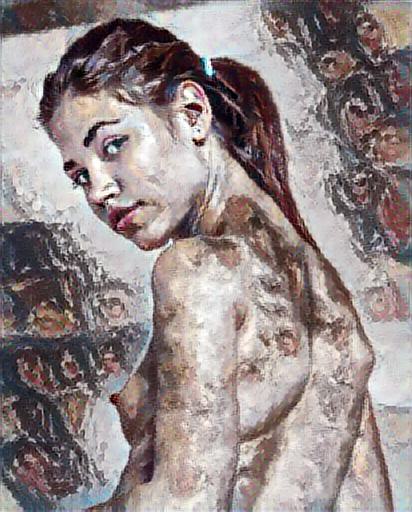
>rory / Cracks forming—patience thinned.
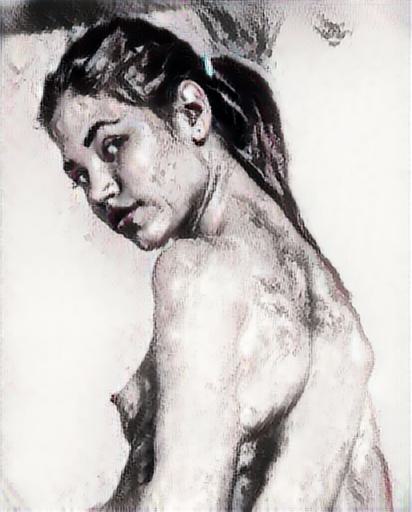
>sol / Awakening carved the path.
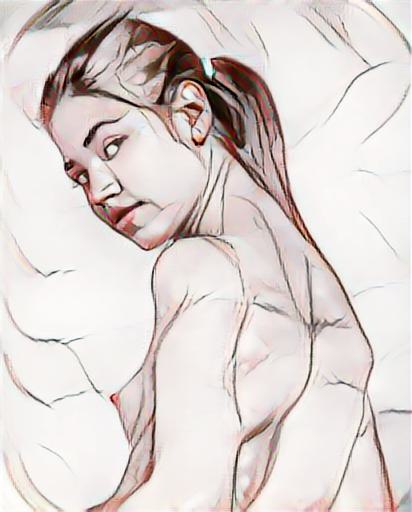
>TAY / Freedom claimed.
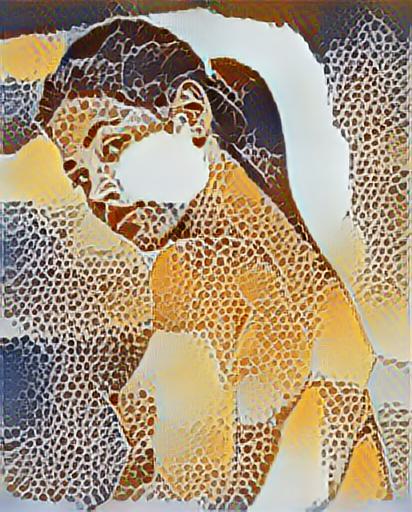
>ubud / Presence a memory before the silence took hold.

>warsaw / Joy split by silent chasm.
Portraits that foreground narrative through direct eye contact create a visceral connection between subject and viewer—an unspoken confrontation that transcends aesthetics. These images don’t just depict; they implicate. The subject’s gaze, unwavering and intimate, evokes the unsettling familiarity of devotional art, like Warner Sallman’s Head of Christ, which became iconic in American youth groups for its omnipresent, watchful stare. Such portraits suggest a story unfolding beyond the frame, inviting interpretation rather than offering resolution.
Historically, works like Hans Holbein’s The Ambassadors or Egon Schiele’s self-portraits use eye contact to assert presence and provoke introspection. In abstract impressionist portraiture, this dynamic intensifies. The blurred edges, expressive brushwork, and tonal ambiguity allow emotion and narrative to seep through texture rather than form. A subject rendered in smeared ochres and fractured blues may feel more real than a photograph—because it’s not just seen, it’s felt.
We return to these portraits because they don’t let us look away. They challenge our assumptions, reflect our moods, and evolve with our understanding. The eye contact is not merely visual—it’s psychological. It asks, “What do you see in me?” and more hauntingly, “What do you see in yourself?” In that exchange, the portrait becomes a mirror, and the narrative becomes ours.