Issues to resolve, now.
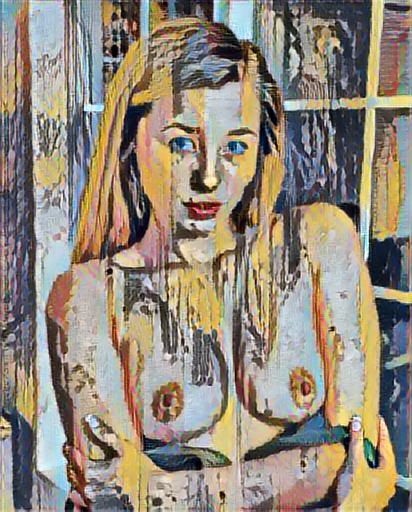
>abu / Smiles veiled in sorrow—joy threaded through quiet ache.
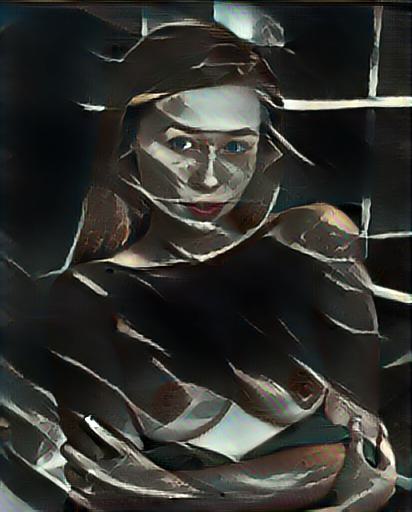
>baby / Justice reclaimed—retribution cloaked in quiet.
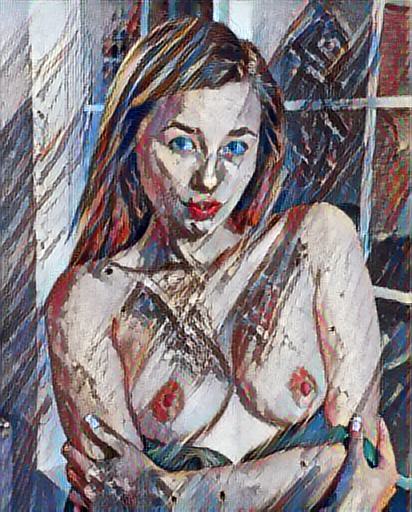
>beau / Truth tangled—clarity whispers from chaos hidden in the margins.
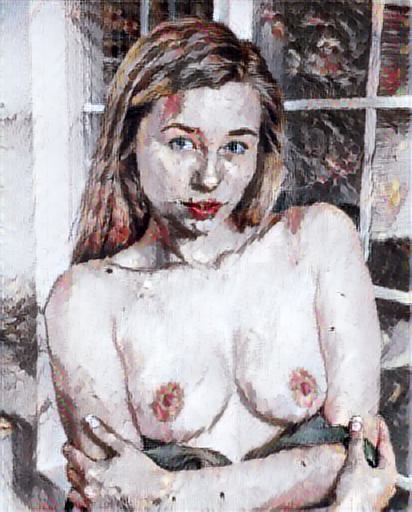
>DJT / Tolerance trimmed to essentials, clarity honed to steel.
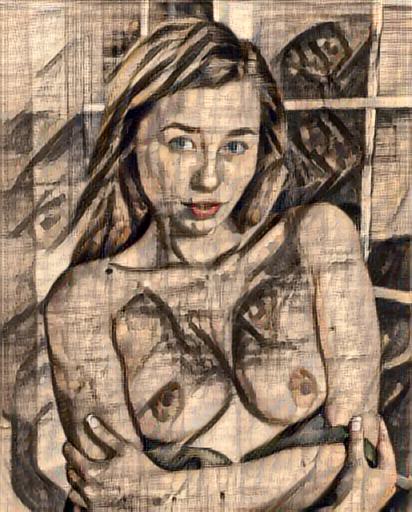
>GLY / A tale woven through ages.
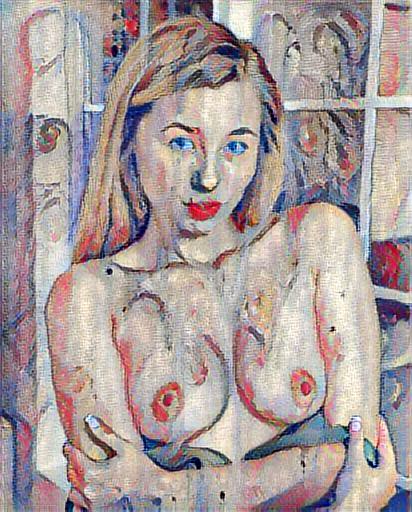
>IO / Hope endures—light anchored deep in the marrow of resolve.
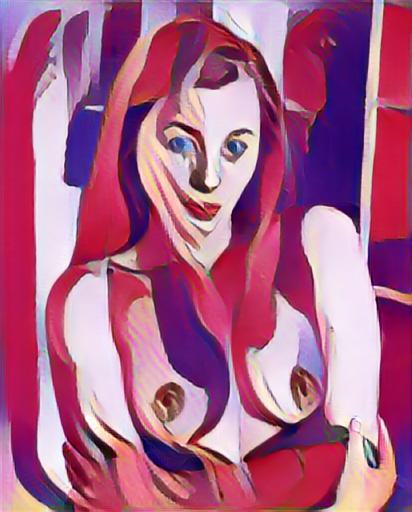
>jordon / Fury’s void—rage spiraling downward, depth fed by silent wounds.
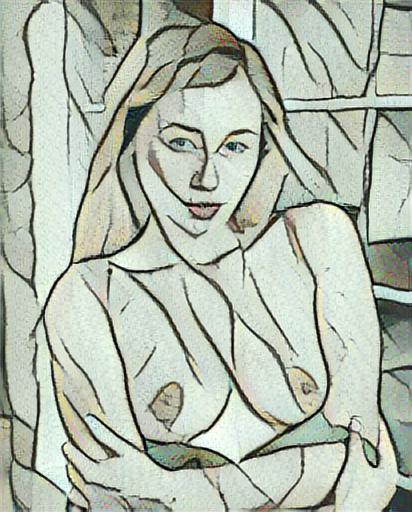
>LBJ / Ideals polished—reality waits, unswayed by conceptual perfection.
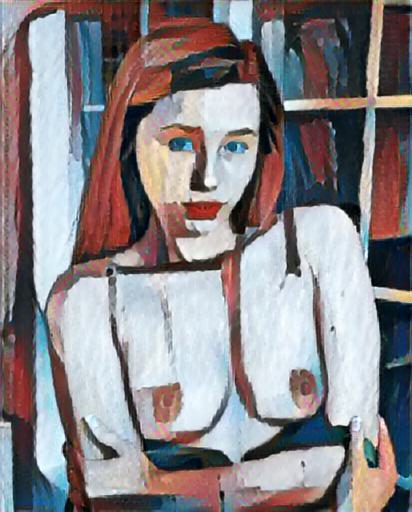
>luansa / Etched permanence.
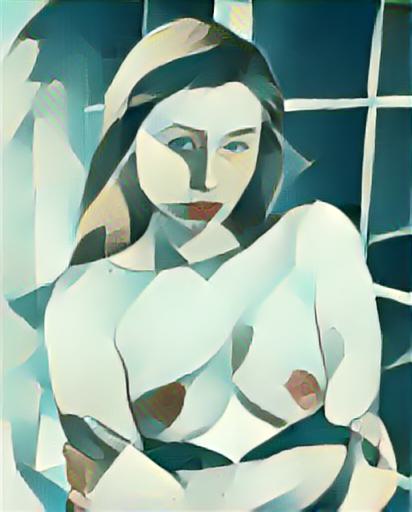
>siv / Identity masked—conscience disowned.
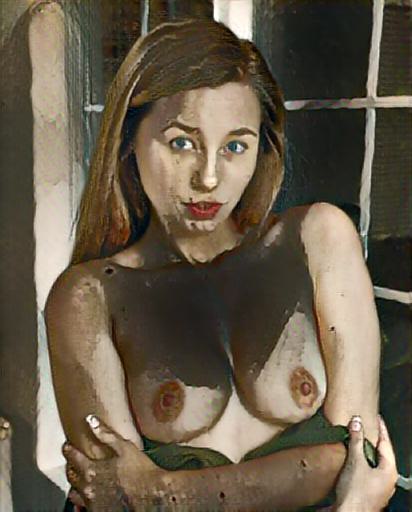
>sutton / Steeped in quiet defiance.
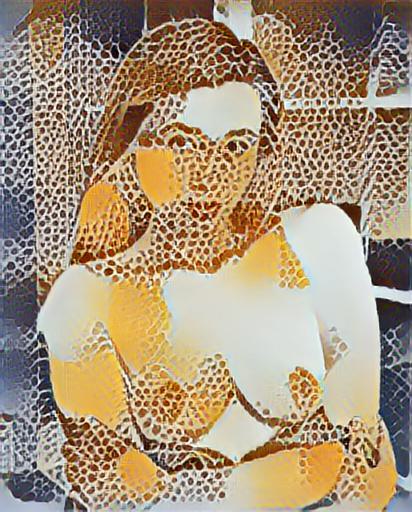
>ubud / Poise untethered from turmoil’s pull below.
Emotional ambiguity in portrait art invites viewers into a psychological dialogue, where meaning is not prescribed but discovered. A single pose—head tilted, eyes steady—can suggest modesty, defiance, or vulnerability depending on the viewer’s lens. The same smile may evoke warmth or manipulation, as famously seen in Leonardo da Vinci’s Mona Lisa, whose enigmatic expression has sparked centuries of debate. Edvard Munch’s The Scream, though not a traditional portrait, similarly fractures emotional clarity, oscillating between terror and existential release.
Direct eye contact intensifies this ambiguity. It implicates the viewer, as if the subject is silently asking to be understood—or judged. This gaze transforms passive observation into active interpretation, as seen in Jan van Eyck’s Arnolfini Portrait, where the couple’s expressions and posture have been read as both matrimonial and memorial.
Nudity adds another layer. In works like Jenny Saville’s Propped, the nude is not idealized but confrontational, challenging viewers to reconcile vulnerability with power. Abstract impressionism furthers this complexity by dissolving form into emotion—brushstrokes replace facial cues, and ambiguity becomes the medium itself.
We find these portraits compelling because they mirror our own emotional contradictions. They resist resolution, offering instead a space where interpretation becomes intimacy.