A simple meditation on the meaning of life and of modesty.
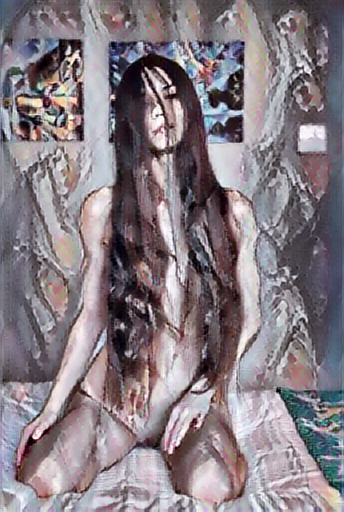
>ace / Insight steadies the swirl of uncertainty.
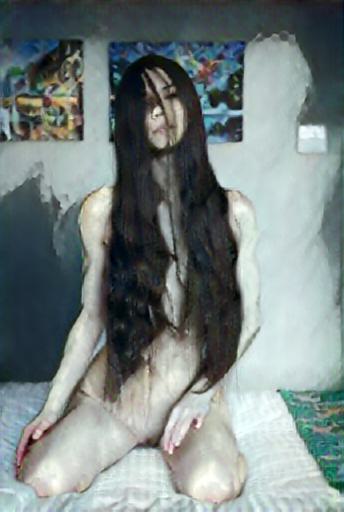
>AGG / Self dissolves—presence unfurls into the rhythms of everything around her.
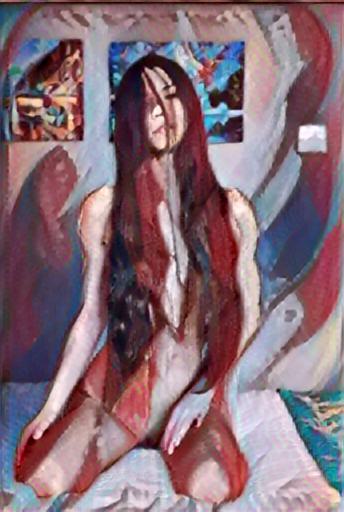
>BHO / Rage ricochets without a clear source or destination.
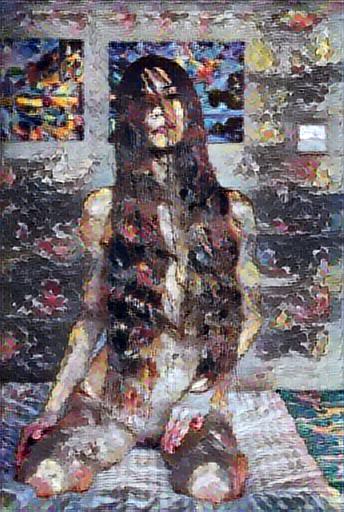
>crank / Inner stillness resists the chaos pressing from all sides.
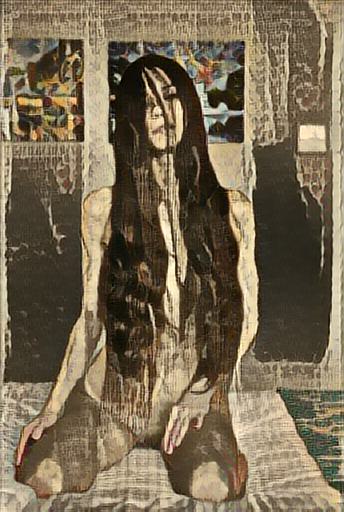
>ella / Intimacy exposed.
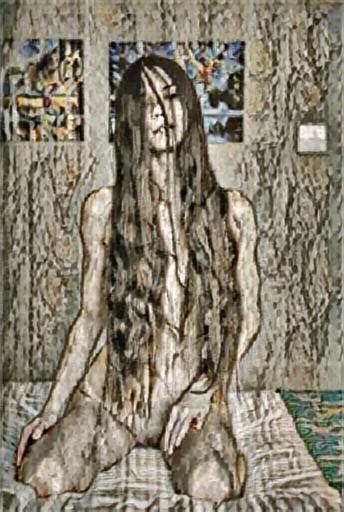
>lisbon / Strands weave story.
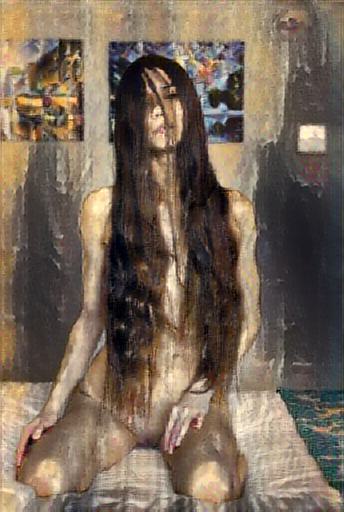
>LUX / Shadows beckon.
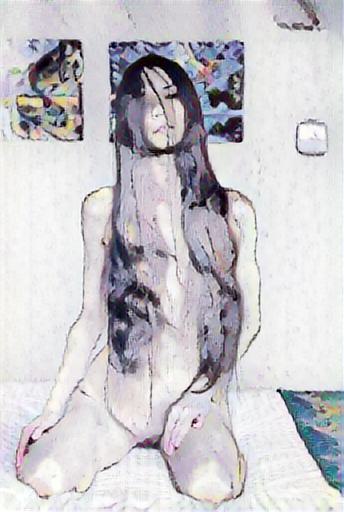
>Milan / Emotion stripped—all hue erased.
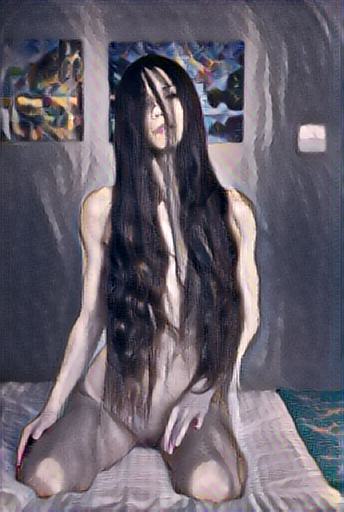
>nube / Identity asserts itself within the blur of surrounding noise.
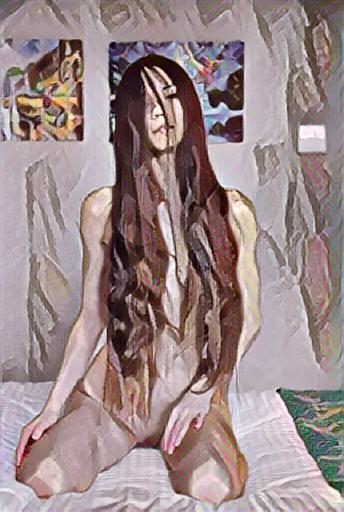
>parkey / The universe she shapes.
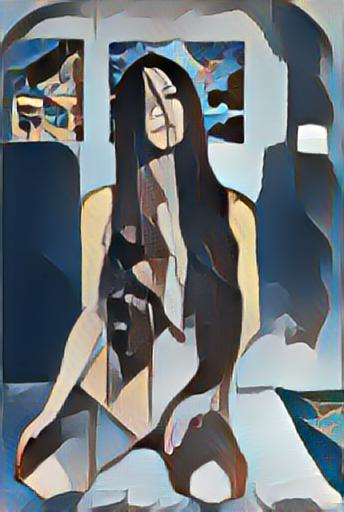
>RNR / Hesitation will not tread.
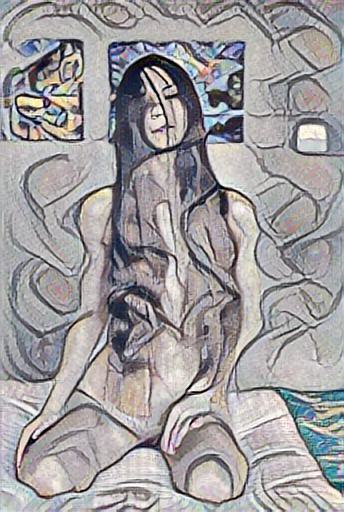
>tokyo / Solitude whispers.
Throughout art history, the use of hair as a veil in nude portraits carries both symbolic and aesthetic weight. Lady Godiva’s legendary ride—immortalized in Victorian paintings—offers a paradigmatic image: hair as both shield and signifier, preserving modesty while amplifying vulnerability. This interplay reemerges in depictions such as Franz von Stuck’s The Sin (1893), where cascading locks conceal and reveal, suggesting eroticism and guilt in equal measure. Similarly, in modern photography, works by Ruth Bernhard or contemporary artists like Mona Kuhn explore hair as a liminal barrier—organic, intimate, and expressive in ways cloth rarely achieves.
Unlike garments, hair is part of the body, entwined with identity and emotion. It doesn’t “cover” so much as “grow over,” introducing layers of symbolism—wildness, femininity, secrecy. Cloth is external; hair is personal. This distinction lends portraits using hair an emotional immediacy and psychological texture that traditional drapery often lacks.
Are these images compelling? Absolutely. Hair-as-barrier offers a nuanced gesture of self-consciousness. It’s not a trick—it’s a choice. These portraits do not merely seduce; they invite reflection on agency, shame, and the power of subtlety. In shielding what is already exposed, hair speaks a language of suggestion, restraint, and interiority that transcends the overt and touches the poetic.