A tender moment frozen in time—a woman with her hair elegantly pinned up, standing quietly beside window blinds, bathed in soft light.
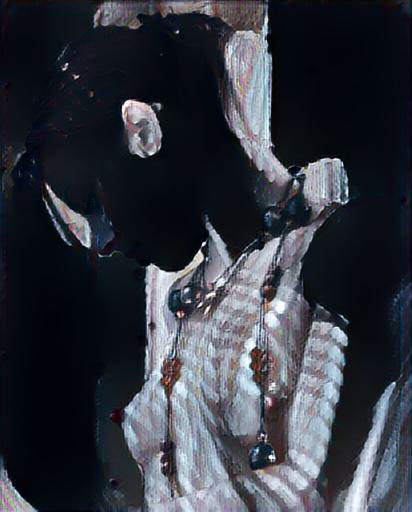
>athens / Shadows settle—comfort cloaked in the quiet hush of night.
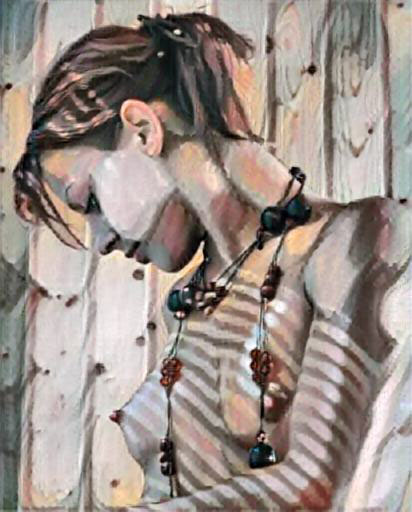
>beryl / Dawn unfolds gently—hope seeps through the veil of night’s hush.
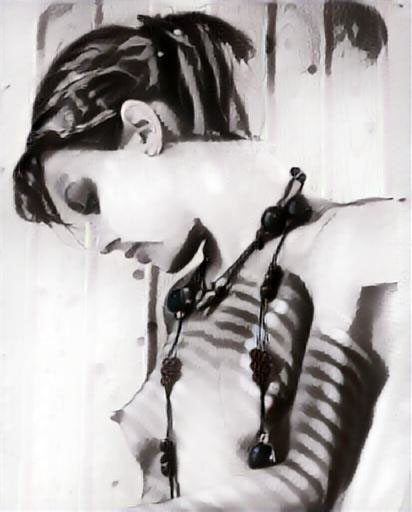
>brok / Gentle truth should never suffer a harsh light.
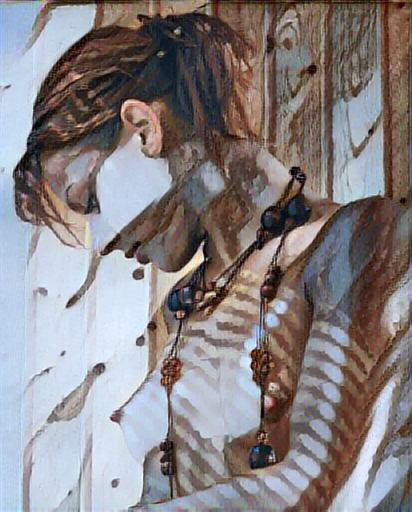
>jade / Sun stretches wide—colors leap as morning breathes its first joy.
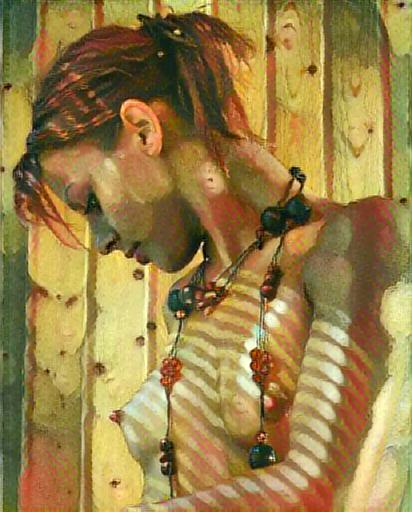
>med / Sky melts to gold—day’s final breath dares the soul to linger.
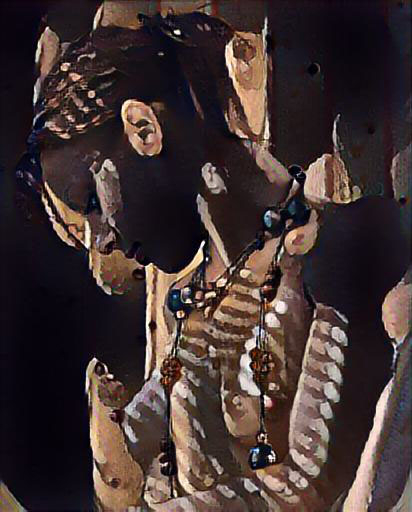
>paraty / Resolve sharpens beneath armor of silent purpose.
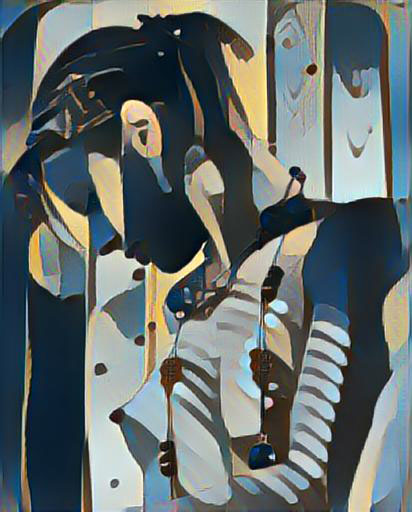
>RNR / Heart’s architecture—veins of longing stitched bone-deep.
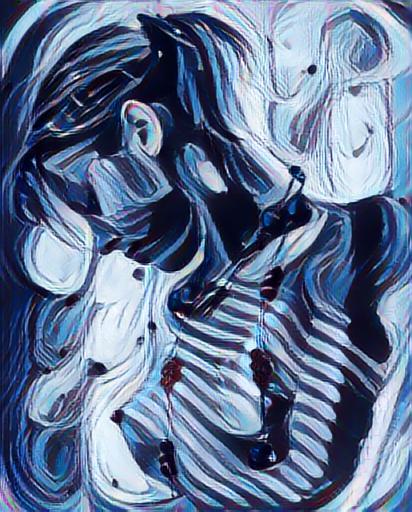
>seoul / Stars bow to dreamers.
Intimacy in portraiture arises when art transcends composition and captures essence—a flicker of truth that resists staging. It’s in the unguarded glance, the tremble before emotion forms, the near-sacred pause when self-awareness dissolves. Such moments feel like divine accidents: not planned, but gifted. They echo the visual poetry of vulnerability, urging the viewer not just to see but to witness.
Abstract impressionism deepens this magic by freeing form from strict realism. Artists like Egon Schiele imbued emotional proximity through distortion and gesture—his figures often bare, twisted yet radiant with interior truth. Intimacy becomes texture: the erratic line, the bruised palette. Rather than narrate, these works emote, allowing viewers to interpret feeling instead of anatomy.
Nudity, when rendered without sensationalism, amplifies honesty. Without the mask of clothing, subjects exist in elemental states—unhidden, human. Mary Cassatt’s domestic scenes and Modigliani’s nudes speak to warmth, not voyeurism. They invite closeness rather than conquest.
Such images compel us because they mirror fleeting purity—something elusive in life, yet preserved in canvas or frame. We’re drawn to the ache of recognition: a moment that feels stolen from time, too honest to repeat. When intimacy is captured, it’s not just art—it’s a whisper of the divine.