Martha, a long-limbed woman, gracefully rises from her chair. But to go where?
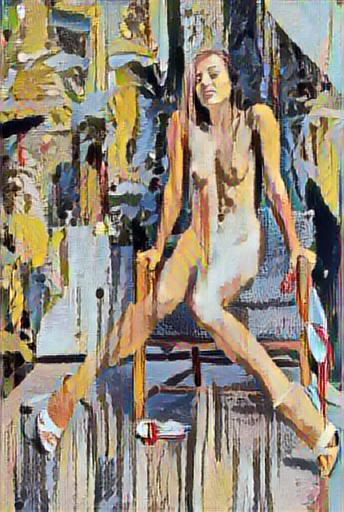
>abu / Defiance surges—gravity’s grip tested by unrelenting will and motion.
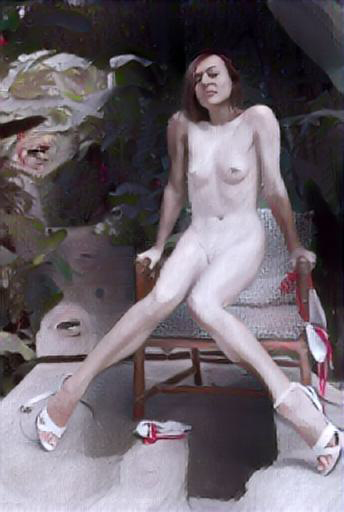
>adrid / Darkness beckons—momentum builds as persistence embraces fading light.
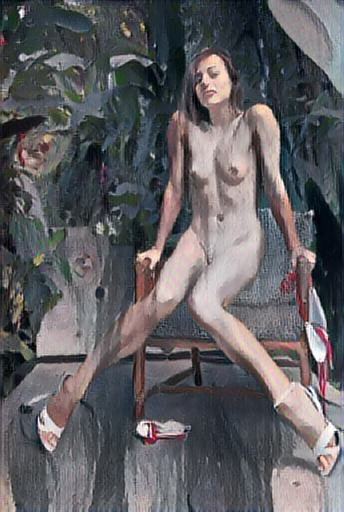
>cairo / Certainty blooms—departure becomes clarity wrapped in determination.
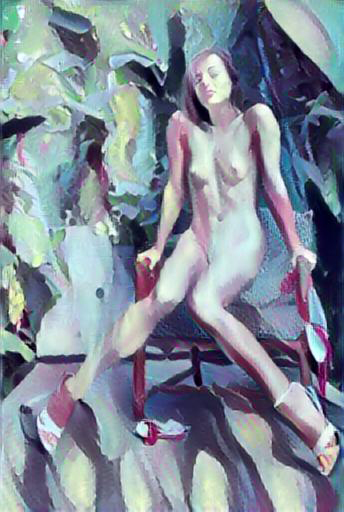
>kyoto / Fun ebbed—farewell beckons as laughter’s echo trails departing steps.
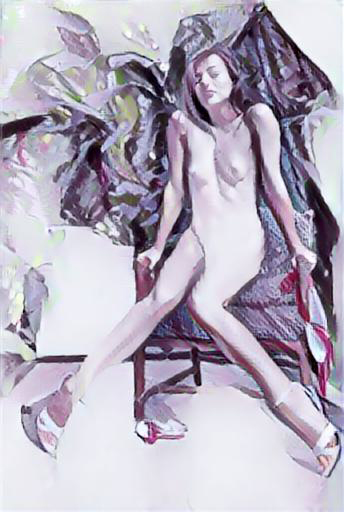
>nairobi / As the moment fades, the memories begin
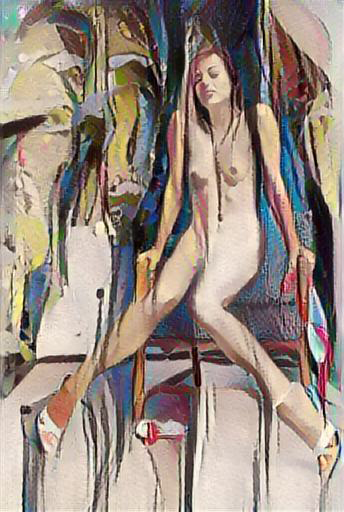
>naples / The now grips—yet promise pulls forward with undeterred allure.
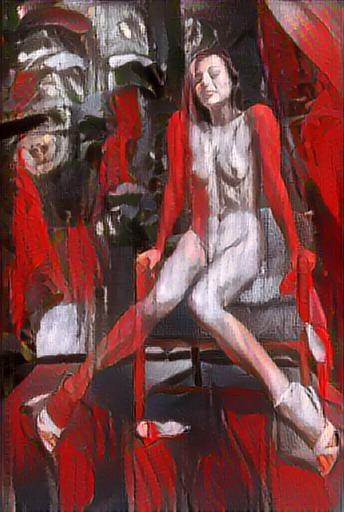
>opal / Heat blooms—flesh and fire converge in life’s crimson surge.
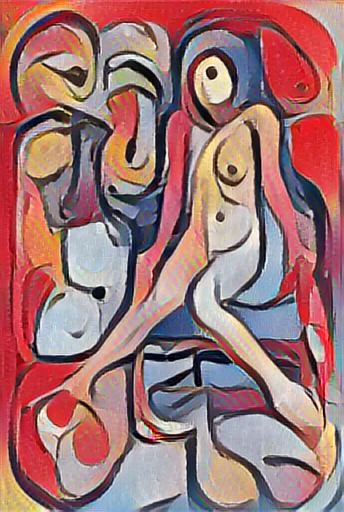
>vat / Chaos congeals—overflow frays clarity as balance buckles under excess.
Portraits thrive on contradiction. When conflicting elements—like a suitcase in a domestic setting or an extra shoe with no visible owner—appear within the frame, they disrupt expectation and invite interpretation. These visual tensions act as narrative triggers, suggesting stories beyond the sitter’s gaze. A suitcase, for instance, may symbolize transition, emotional baggage, or the imminence of departure. It introduces movement into a static image, hinting at a life in flux. An extra shoe, especially when detached from its pair, evokes absence, mystery, or duality—perhaps a lost lover, a fragmented identity, or a symbolic echo of the sitter’s unseen self.
This complexity doesn’t just add intrigue—it demands engagement. The viewer becomes a detective, parsing clues and reconciling contradictions. Is the setting public or private? A velvet chair in a crowded train station blurs boundaries, suggesting intimacy in exposure. Conversely, a solitary figure in a bedroom may feel performative, as if the private moment is staged for public consumption.
Ultimately, conflicting elements in portraiture mirror the layered nature of identity. They resist simplification, allowing the subject to remain elusive, multifaceted, and alive. In this ambiguity lies the portrait’s power—not to answer, but to provoke.