A woman with breathtakingly magnificent hair, her gaze unwavering as she stares directly beyond the frame.
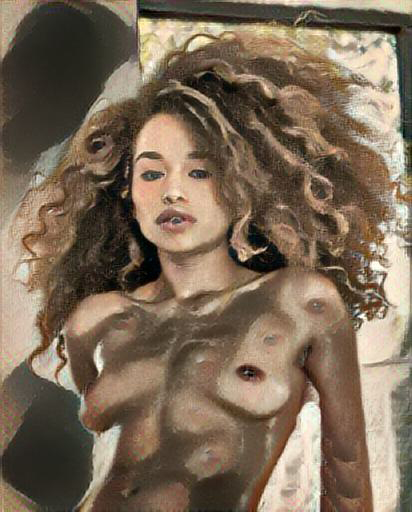
>bohol / Throne carved in soil
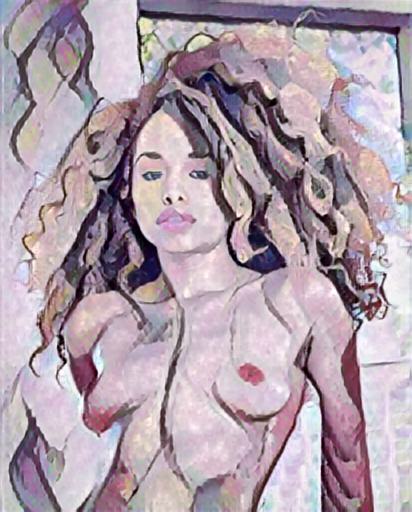
>FPJ / Radiance born of stillness—joy hums in tranquil light.
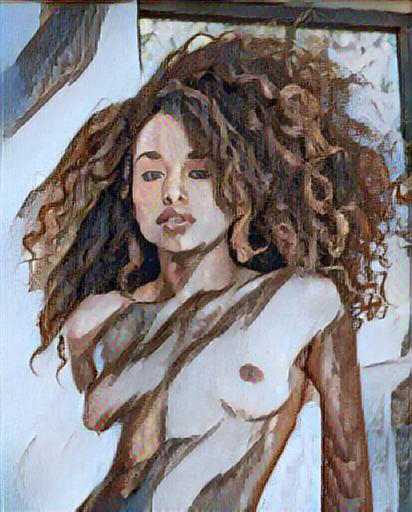
>jade / Wonder clings to borders.
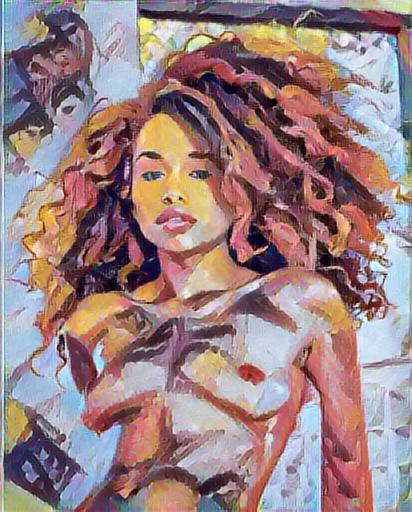
>kop / Laughter skims the surface
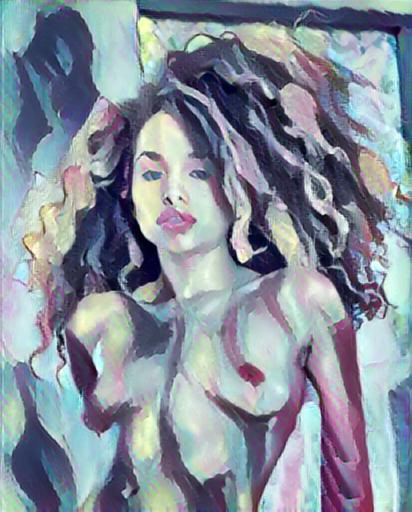
>kyoto / Curiosity blazes toward untamed promise.
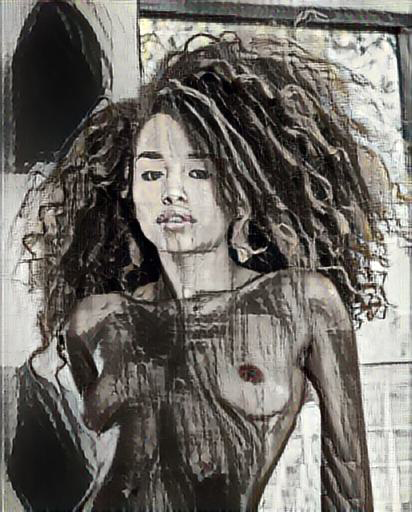
>lima / Ink sunk deep—memory carves defiance beyond time’s reach.
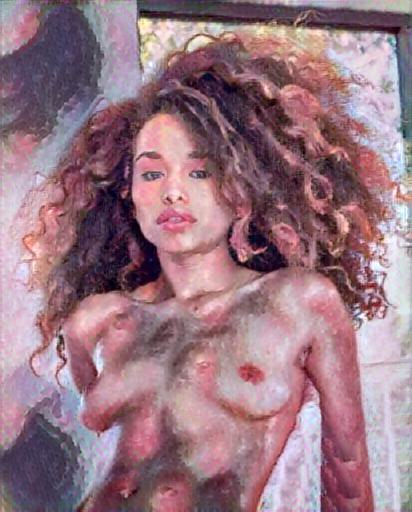
>manaus / Poised on the edge—moment hums with charged anticipation.
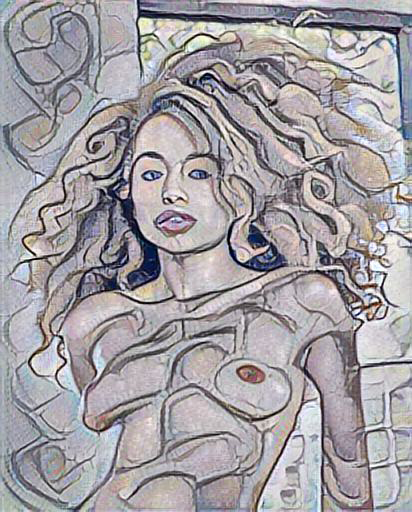
>tokyo / Radiance forged in fragments—each part echoing sovereign splendor.
In abstract impressionist paintings, magnificent hair often surges beyond mere anatomy—it becomes a vortex of spirit, a lush extension of identity. Its untamed textures, glowing streaks, and dreamlike motion can rival the entire subject’s presence. In works by artists like Cecily Brown or Egon Schiele, hair spirals like wildfire or cascades like rivers—both containing and releasing emotion in a single stroke. It is where chaos meets choreography.
Hair, in this context, becomes metaphor: the psyche unraveling, sensuality materializing, memory threading through strands. A subject’s gaze might float outward, but the hair remains grounded—anchoring the abstract with tangible drama. When the portrait is nude, this amplification grows bolder. Clothing may be absent, but hair becomes cloak, rebellion, personality. Its placement, its movement, even its color, sculpts an interior life in defiance of exposure.
Historically, Klimt’s Danaë and Schiele’s nudes blur the line between flesh and feeling—where hair spills like thought, shielding vulnerability with stylistic power. These images delight and compel because they elevate hair beyond adornment. It becomes a storyteller, a storm, a sanctuary. The viewer reads the strands like verses—decoding desire, defiance, tenderness. In abstract impressionism, hair doesn’t just frame the portrait—it reveals its soul.