A woman stretches gracefully, welcoming the dawn with open arms.
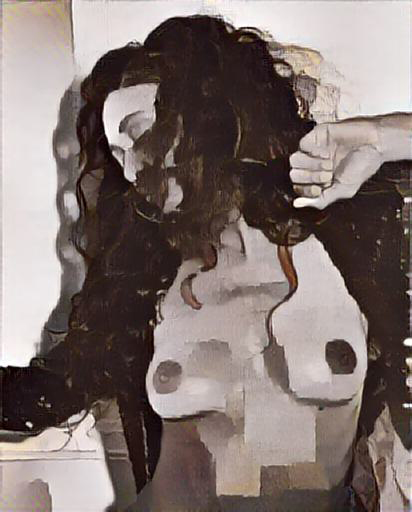
>bruges / Core unmoved—quiet force anchoring every storm and ascent.
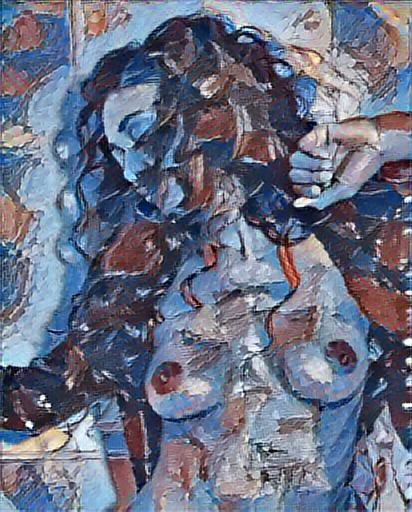
>dakar / Dazel simmering beneath time’s patient hush.
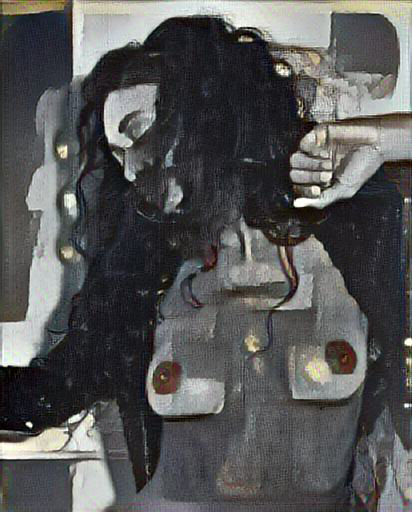
>dhoa / Shaken yet grounded—resilience etched into the soul’s elemental core.
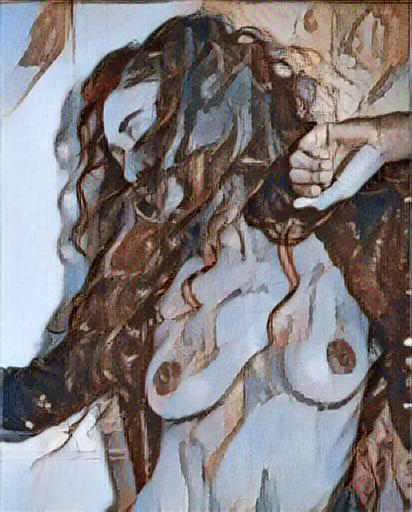
>jade / Rooted ascent—strength blooms.
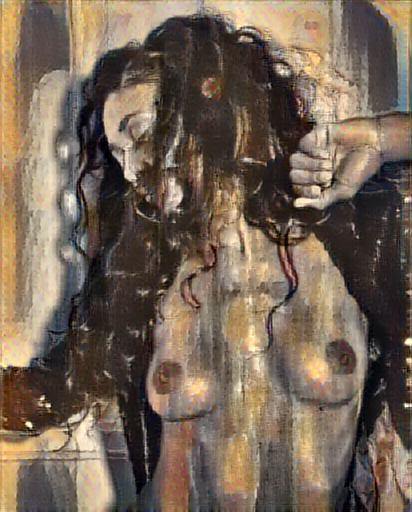
>luxor / Reality steps through dream’s vanishing threshold.
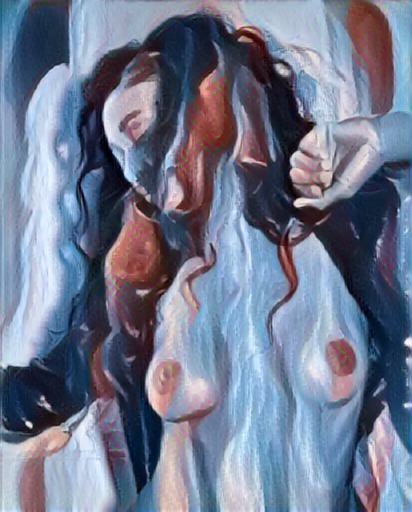
>luz / Power surges inward.
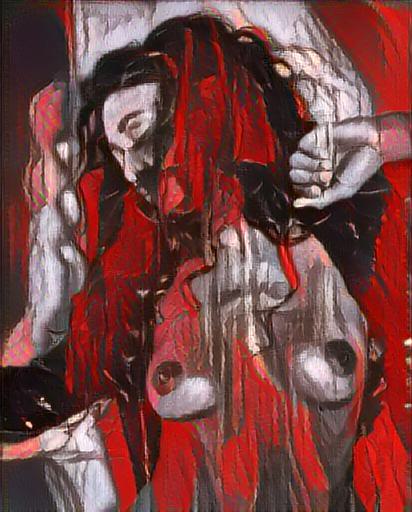
>opal / Untouched by force.
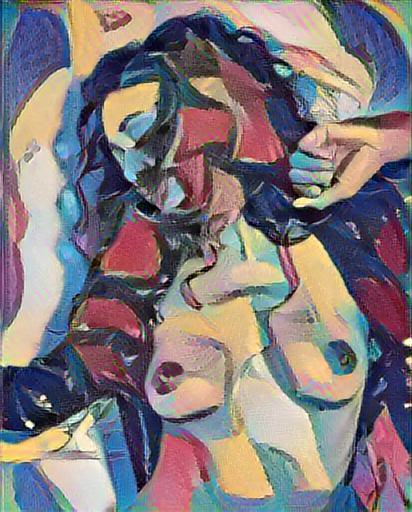
>warsaw / Joy spills golden—moments align in effortless perfection.
In portraiture, a face partially covered—often by hair—creates space for ambiguity and intimacy. This masking doesn’t obscure the subject’s identity so much as invite our imagination. Rather than obfuscation, it becomes a poetic device: a veil that offers narrative tension and emotional multiplicity. We project meaning into the shadowed parts—wondering what is hidden, what is withheld, and why.
Historically, Gustav Klimt’s “Judith I” teases mystery behind heavy-lidded eyes and cascading curls, suggesting seduction and danger. In modern photography, Francesca Woodman’s haunting self-portraits blur identity with movement and concealment, inviting viewers into emotional abstraction. These images challenge the notion that the face alone tells the full story.
Abstract impressionism amplifies this effect—dissolving detail, painting sensation. Hair may become brushstroke; the face, a suggestion. Cecily Brown’s figures, for example, exist in a flux between becoming and disappearing, emphasizing the emotional over the literal.
Partial clothing evokes restraint or ritual, while nudity speaks to vulnerability and raw truth. But being only partly unveiled—whether by fabric or hair—creates a more psychological tension. We want to complete the image, to understand.
We find such portraits compelling because they don’t hand us answers. Instead, they pulse with mystery, asking us not only what we see—but what we feel.