She sits in quiet solitude, a gentle smile resting on her lips. In this moment, peace is hers alone.
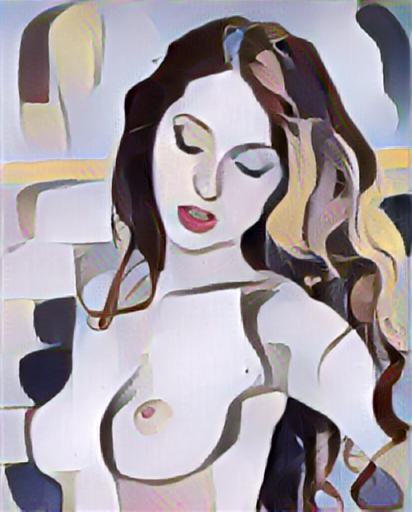
>alas / Magic endures—truth cloaked in myth, waiting to be believed.
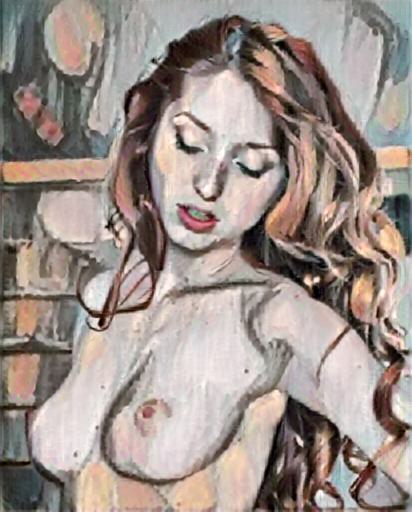
>beryl / Light woven with kindness—wrapped in warmth and quiet joy.
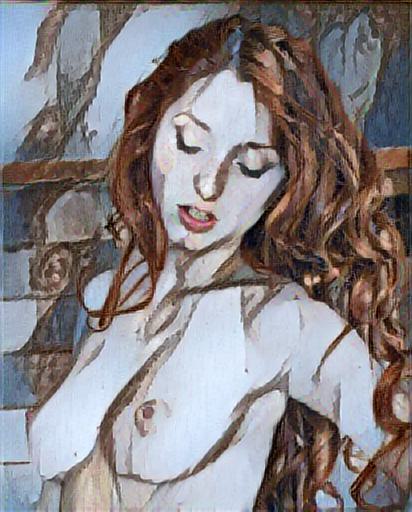
>jade / Grace in the mundane—life’s quiet moments shimmer with gentle truth.
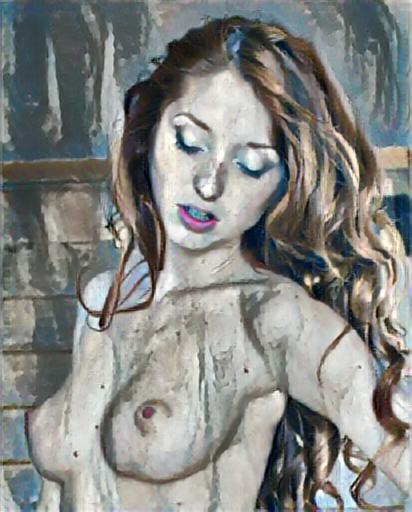
>mumbai / Intent lingers in breath’s deliberate suspension.
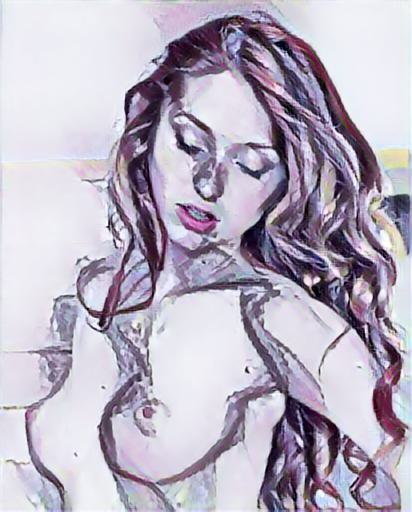
>nairobi / Solitude blooms—contentment rooted in self, untouched by need.
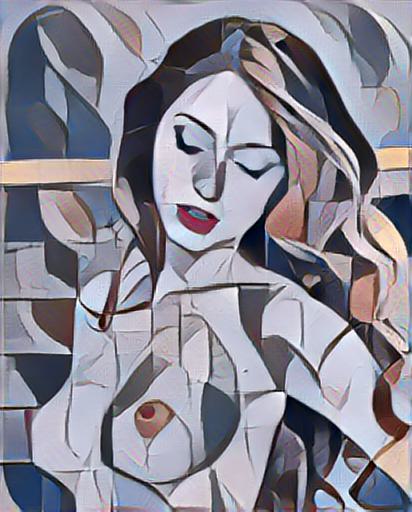
>oof / Each facet catches light, revealing depth and wonder.
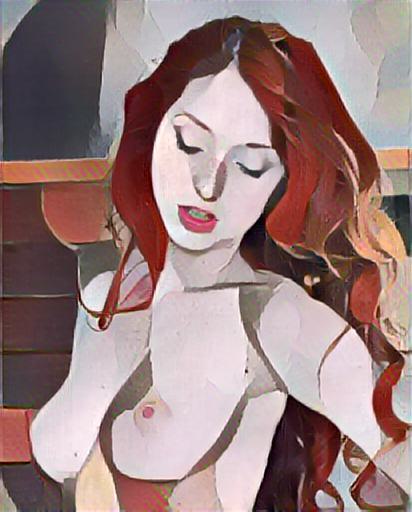
>pal / Echo or critique—imitation dances
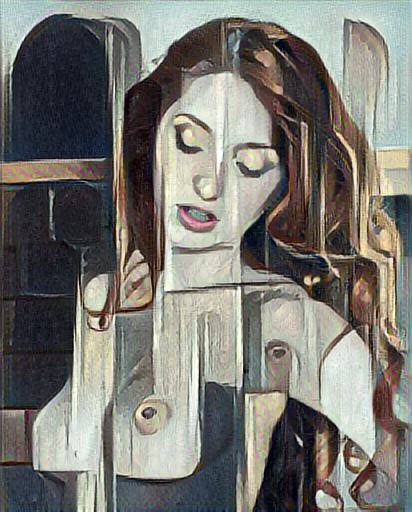
>quito / Divine threshold—purpose flickers through the veil of mortal sight.
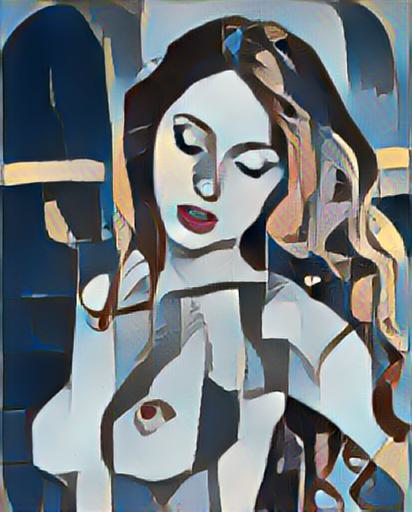
>RNR / Wink with reverence—tribute wrapped in charm and clever mischief.
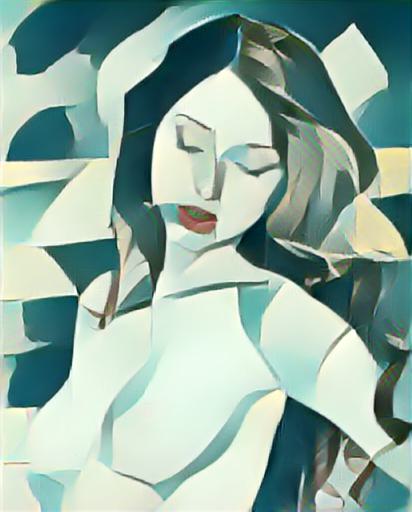
>siv / Connection thinned by memory’s softened thread.
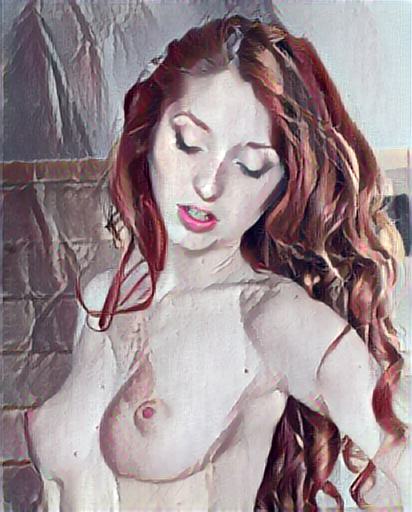
>tres / Strength gleams where polish dares not touch.
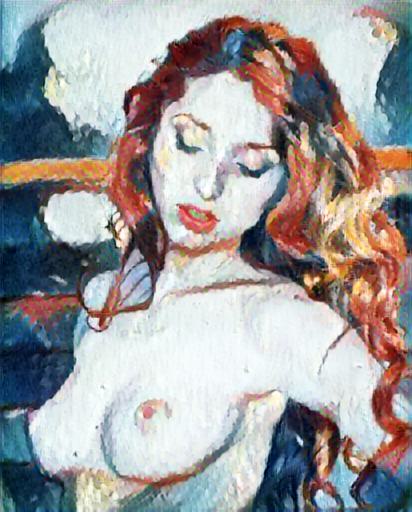
>wren / Flame unfurls—burning through silence and restraint.
Choosing a moment in portraiture challenges the artist to frame time—not only as an aesthetic choice, but a philosophical one. Georgia O’Keeffe’s flowers, evocative yet timeless, aren’t questioned because their stillness speaks universally. But portraiture grapples with movement, emotion, fleeting vulnerability. Ansel Adams’ “Moonrise, Hernandez” makes sense precisely because its timing is divine—a celestial alignment made visible. Portrait artists, however, often commit to subtler truths: Alice Neel painting friends mid-conversation, or Lucian Freud capturing a quiet slump rather than a poised smile. These moments aren’t extraordinary, but they pulse with humanity.
Nude portraiture intensifies this intimacy. It strips away societal framing—fashion, status, era—laying bare the subject’s physical presence. Think of Jenny Saville’s flesh-heavy forms: they confront discomfort and beauty simultaneously. Abstract impressionism deepens this complexity. It resists literal form, favoring gesture and mood—like Joan Mitchell’s color-saturated canvases that hint at psyche over silhouette. Such abstraction allows emotional ambiguity to breathe.
These portraits compel us because they honor the unspoken. Whether through nakedness or painterly blur, they show us what’s too complex to stage. The moment chosen isn’t about heroism or spectacle—it’s about resonance. We feel seen not in perfection, but in the truthful curve of a hip, or the way a hand forgets to pose.